Low Mileage Car Insurance for Seniors
If you're driving less than you used to, your insurance should know that, and most policies don't ask unless you tell them.
Free to compare
What actually changes, and what doesn't
Your driving record still matters more than your birthday. Insurers look at how long you've been licensed, any tickets or claims, and what you drive now, the same as they would for any other driver.
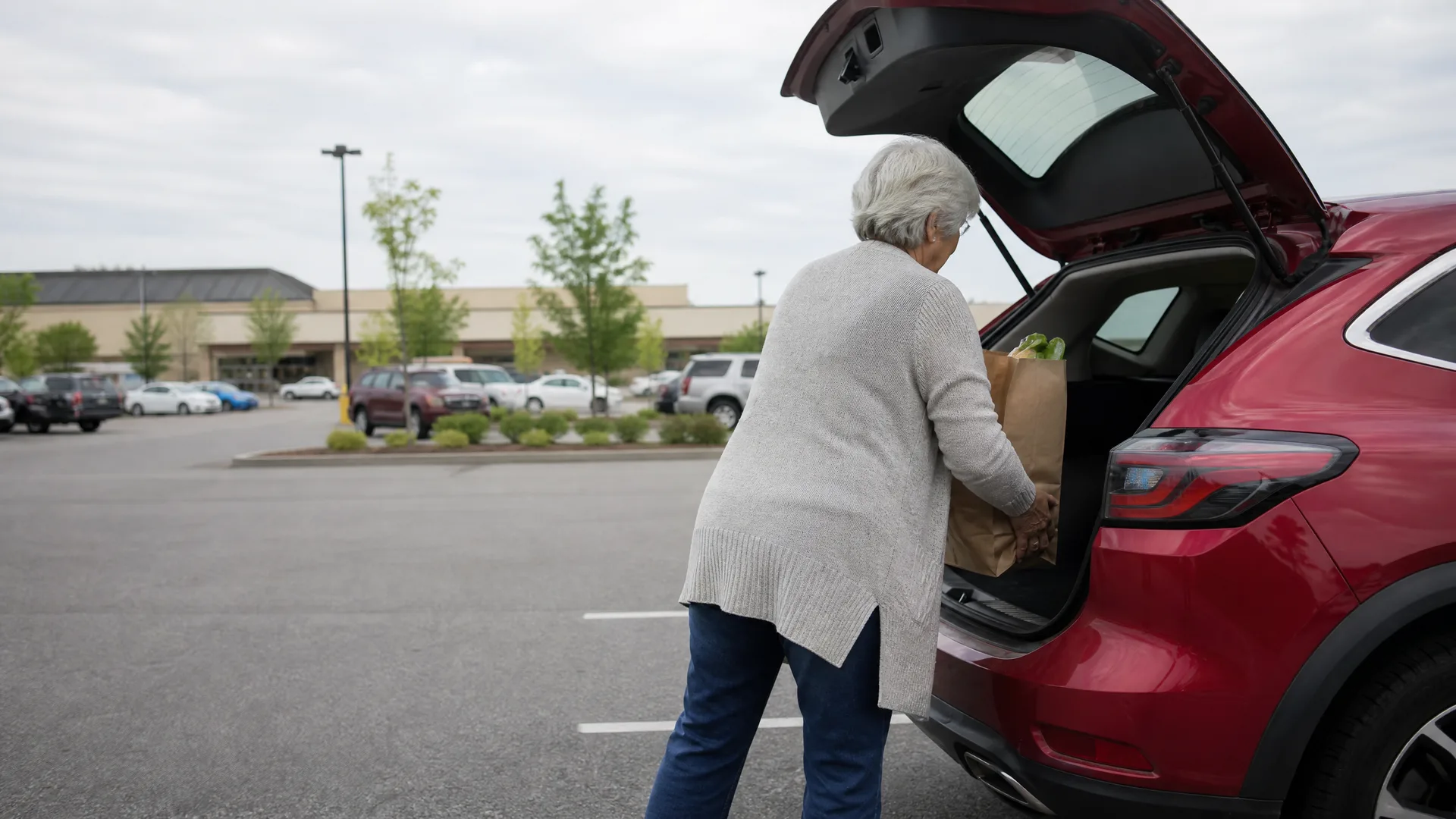
What often does shift is how much you're on the road. Retirement usually means no commute, fewer long trips, more days the car stays parked. That's a real change in risk, but it only shows up in your rate if you say something about it. No insurer adjusts your mileage automatically.

What sets your rate
How far you drive each year carries real weight. A driver putting on a fraction of the miles they used to is a different risk to insure, and some insurers price for that directly if you ask.
Your car matters too. Older vehicles often cost less to insure, and if yours is paid off, you may be able to drop coverage you no longer need, like collision, if the car isn't worth much.
Where you keep the car matters as well. A garage or secure driveway counts for less risk than street parking, and it's worth mentioning when you shop around.
Where drivers overpay
The most common overpayment is simple: paying for mileage you no longer drive. If your policy was set up years ago based on a commute you don't make anymore, it may still be priced that way until you correct it.
At every renewal, it's worth checking your estimated annual mileage against what you're actually driving now, and asking your insurer directly whether a low mileage discount applies.
See how insurers price a lower annual mileage before you renew.
Articles
 Driving Less in Retirement
 Car Insurance When You Barely Drive Anymore
 How to Get Low Mileage Car Insurance as a Senior