Alternatives to Owning a Car in Retirement
Giving up your car can lower your costs, but you may still need some coverage, and the right choice depends on how you'll get around.
It depends on how you'll still get around
If you stop owning a car entirely, you can drop your own auto policy once the car is sold or transferred. But if you'll still drive sometimes, borrow a car, use a rideshare service regularly, or rent occasionally, you likely still need some form of coverage.
Many retirees find a middle path works better than giving up driving completely. Options like non-owner insurance, occasional rental coverage, or staying listed as an occasional driver on a family member's policy can keep you protected without the cost of owning and insuring a car full time.
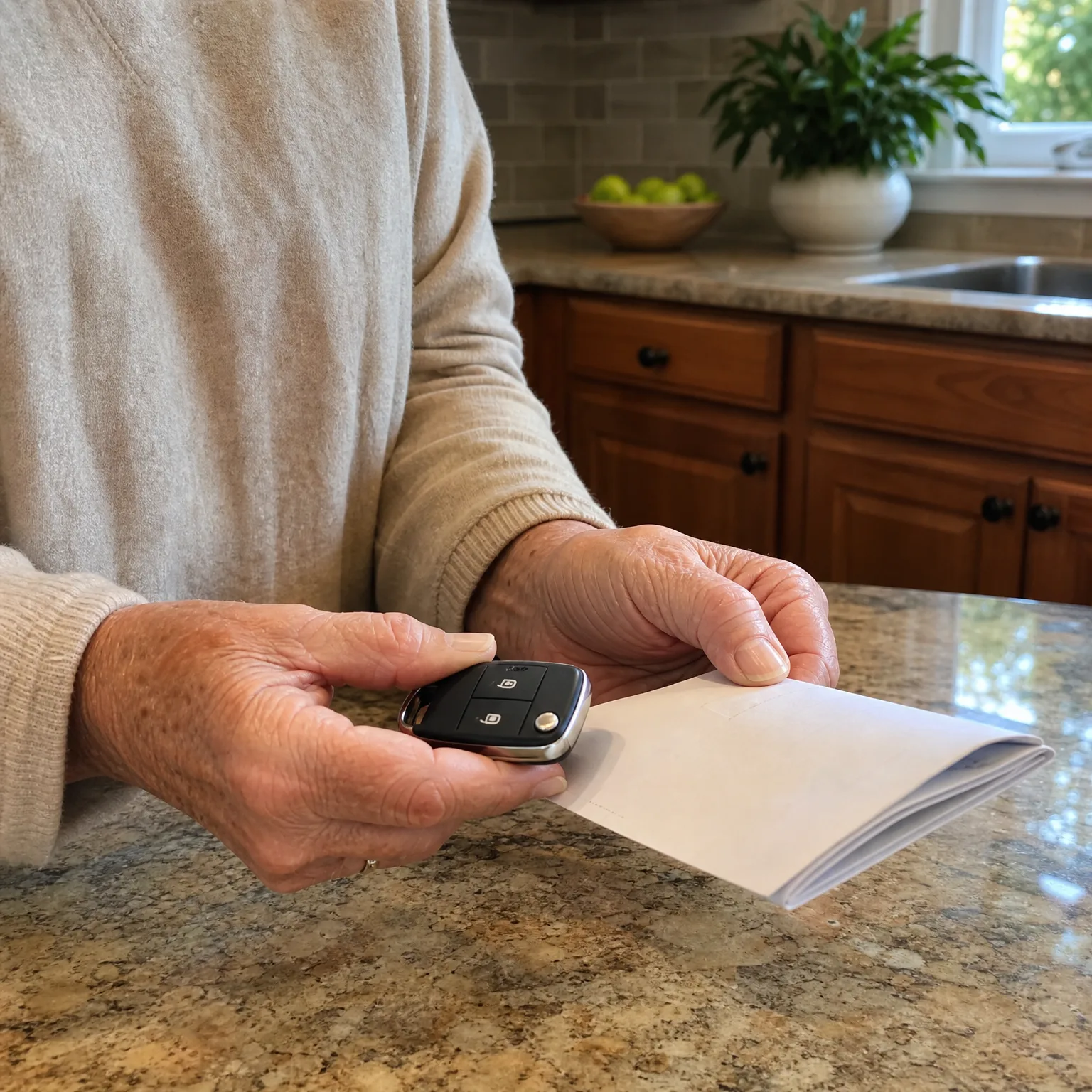
Whether you'll ever drive again changes what you need
If you plan to never drive again, not even a rental car on a trip or a relative's car in an emergency, you can let your auto policy lapse once you no longer own a vehicle. There's no requirement to carry insurance if you don't have a car and don't drive one.
But many people who give up their own car still end up behind the wheel occasionally. A son or daughter asks you to drive their car while they run an errand. You rent a car for a trip. In these cases, your own auto liability coverage, if you still carry any, or a non-owner policy, is what protects you if something goes wrong.
A non-owner policy covers liability when you drive a car you don't own. It's usually far less expensive than a standard policy because it doesn't cover a vehicle, just you as a driver. Ask an agent whether this makes sense if you expect to drive occasionally but won't own a car.
If you're fully done driving, tell your insurer directly rather than just letting the policy lapse. Some companies note in your file that you gave up driving voluntarily, which can matter later if you ever want to reinstate coverage.

What people get wrong about rideshare and rental coverage
Some retirees assume that if they rely on rideshare services or taxis instead of their own car, insurance no longer matters to them at all. That's true as a passenger. Rideshare drivers carry their own commercial coverage that protects riders.
But it's not true the moment you get behind a wheel again, even briefly. Renting a car for a trip, borrowing a neighbor's car, or driving a family member's vehicle all involve risk that your own insurance, or lack of it, affects. Rental companies sell their own coverage at the counter, but it's often pricier than keeping a non-owner policy year-round if you rent more than once in a while.
Another thing people miss is that giving up car ownership doesn't erase your driving record or your history with insurers. If you stop driving for a long stretch and then want to buy a car again later, some insurers treat a gap in coverage as a reason to raise your rate or ask more questions. Ask any insurer you're considering how they handle a return to driving after time without a policy.
Questions people ask about this
Can I still drive a family member's car if I don't have my own policy?
It depends on whose insurance is covering the car and what that policy says about occasional drivers. Many family auto policies extend coverage to relatives who drive the car with permission, but ask the policyholder to confirm this with their insurer rather than assuming it's covered.
Do I need insurance to drive a rental car in retirement?
You need some form of liability protection, either your own policy, a non-owner policy, or coverage purchased through the rental company. If you don't carry any personal auto insurance, check with the rental company about what their coverage includes and what it costs compared to a non-owner policy.
What happens to my insurance discount history if I stop owning a car?
Insurers generally don't preserve loyalty discounts or claims-free history indefinitely once you have no active policy. If you expect to buy a car again someday, ask your current insurer how long a gap in coverage can go before it affects your rate or discount eligibility.
Is non-owner insurance cheaper than a regular car insurance policy?
Yes, non-owner insurance is generally less expensive because it only covers you as a driver and doesn't insure any vehicle. The exact cost depends on your driving record and the insurer, so it's worth getting quotes if you expect to drive occasionally without owning a car.
Will giving up my car affect my ability to get insurance again later?
It depends on the insurer and how long you go without a policy. Some companies ask about prior coverage gaps when you apply, so ask any insurer you're considering how a period without insurance affects the rate they'd offer you.
If you'll still need some coverage, see what a non-owner or occasional policy would cost you.
Before you cancel your policy, decide honestly whether you'll ever drive again, even occasionally. If the answer is yes, call your insurer and ask about non-owner coverage rather than letting the policy lapse outright. If the answer is no, tell your insurer directly that you're giving up the car, and ask them to note it as a voluntary change rather than a lapse. Keep any paperwork showing when you sold or transferred the car, since some insurers ask for this. If you expect to rent cars occasionally, compare the cost of a year-round non-owner policy against what the rental counter would charge you each time.