Car Insurance for Seniors Who Rarely Drive in Arizona
Driving less can lower your premium in Arizona, but only the insurers who ask about mileage and only if you tell them.
Yes, but you have to tell your insurer
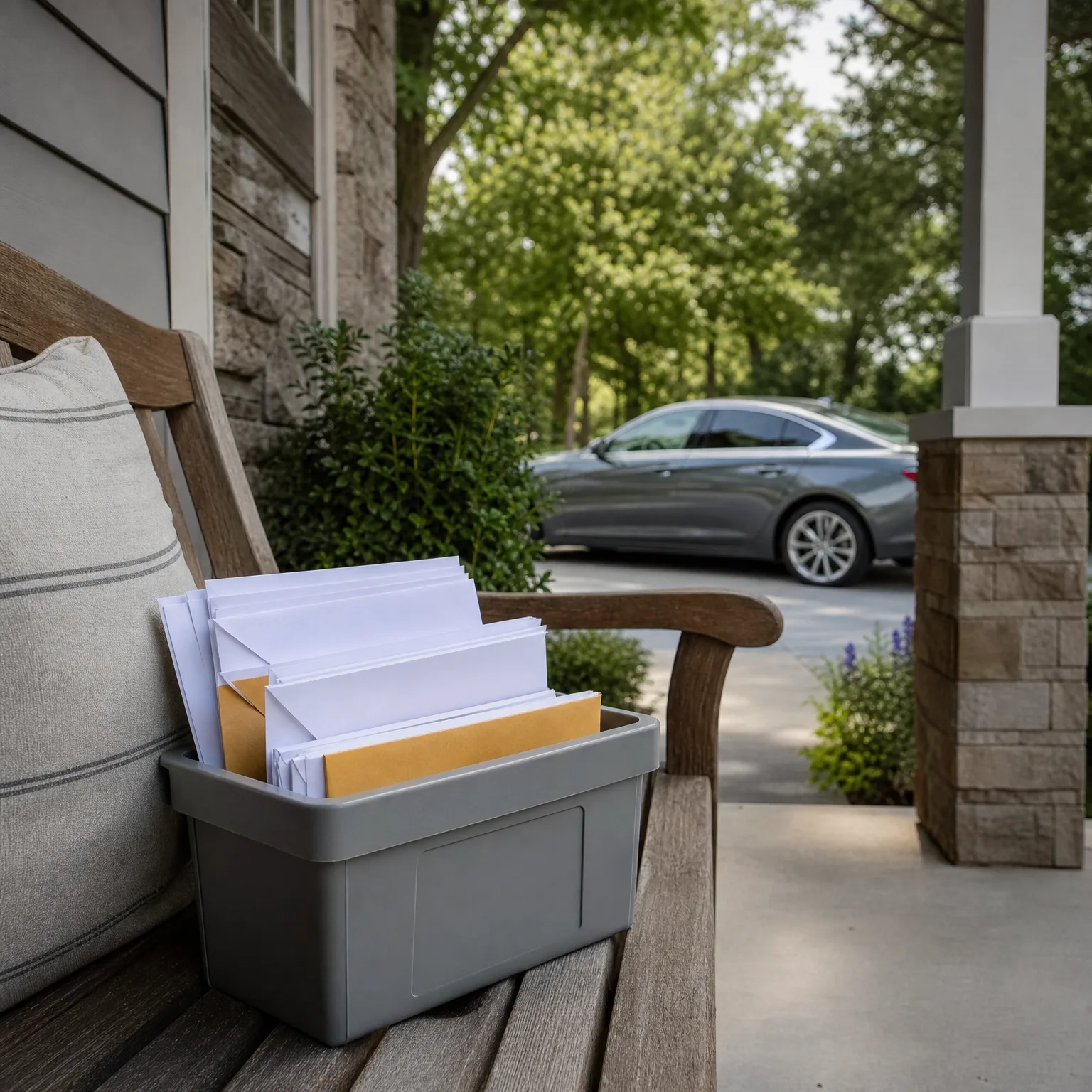
Insurers don't automatically know how little you drive. Some ask for your mileage every renewal, some only ask once when you first sign up, and some never ask at all. If yours doesn't ask, the low mileage sitting in your driveway isn't doing anything for your premium.
Call your insurer and ask if they offer a low mileage discount and how they want you to report it. Some want an odometer reading. Some want you to estimate your annual miles at renewal. Arizona doesn't require any of this, it's entirely up to each insurer, so what works with one company may not exist at another.

How your insurer tracks mileage matters most
Some insurers still rely on what you tell them, written down once and rarely checked again. Others now offer a usage based program, where a device or an app in your car actually records how far and how you drive. These tend to reward low mileage more precisely because they don't have to guess.
If your current insurer only offers the estimate based discount, ask what counts as low mileage in their eyes. The threshold isn't the same everywhere, and a number that qualifies you at one company might not at another.
If you've had the same policy for years and never mentioned how little you drive now, that's worth a call on its own. Your mileage may have dropped since you first got the policy, especially if you've retired, stopped commuting, or given up longer trips.
When you compare quotes, ask each insurer the same question: what do you need from me to get credit for low mileage, and how often do I need to update it.
Your age still factors in separately from mileage
Driving less doesn't erase the fact that insurers price risk by age too. Some see senior drivers as lower risk because of experience. Others watch more closely for the kind of slower reaction times or medical conditions that become more common with age, and Arizona's renewal and vision test rules for older drivers reflect that same thinking.
A low mileage discount can offset an age related increase, but it won't necessarily cancel it out. The two are calculated separately, and how much weight each carries depends on the insurer's own formula.
This is part of why it's worth comparing more than one insurer rather than assuming your current company offers the best combination of senior and low mileage pricing. One insurer's age tables might work against you while their mileage discount works in your favor, and another might be the reverse.
Questions people ask about this
What counts as low mileage for insurance purposes?
There's no single number that applies everywhere. Each insurer sets its own threshold for what counts as low mileage, so ask directly rather than assuming your driving qualifies.
Do I need to prove my mileage to get the discount?
Often yes, in some form. That might mean an odometer photo, a service record, or a reading taken during an inspection. Ask your insurer what they'll accept before you assume you're covered.
Will my insurance go up automatically once I pass a certain age?
That depends entirely on the insurer, since Arizona doesn't set age based pricing rules itself. Ask your insurer directly whether they adjust rates by age and at what points.
Should I drop collision coverage if I barely drive the car?
That depends on the car's value and what you could afford to replace it with, not just how often you drive it. A car can still be totaled or damaged while parked or driven rarely.
Does a usage based program actually save more than a flat low mileage discount?
It depends on how you drive during the miles you do put on the car, since these programs often track speed and braking too. Ask whether the program only looks at mileage or also scores your driving habits.
See which insurers actually reward low mileage before you renew.

Pull your last renewal notice and find your current annual mileage estimate, since you'll need that figure to compare accurately. Call your current insurer and ask exactly how they calculate the low mileage discount and what proof they need. Then get quotes from a few others and ask each the same question, since the answer won't be the same twice. If your insurer offers a usage based program, ask what it tracks beyond mileage before you agree to it. Keep notes on what each company told you, since these answers rarely show up on their own websites.