Car Insurance for Seniors Who Rarely Drive in Massachusetts
Driving less can lower what you pay, but only if your insurer knows how little you drive.
Yes, but you have to tell your insurer you drive less
Massachusetts insurers don't automatically lower your rate because you're retired or rarely leave the house. They price your policy based on the mileage estimate on file, and if that number is old, you may be paying for a commute you no longer make.
Call your agent or insurer and ask them to update your annual mileage. Some companies also offer a low mileage discount or a usage based program that tracks miles through an app or a plug in device. Whether either is available to you depends on the insurer, so ask what they offer rather than assume.

Your mileage estimate is what actually moves the price
When you first bought the policy, you or your agent gave the insurer an estimate of how many miles you drive each year. That number is still sitting on your file even if your driving has changed completely since then.
If you stopped commuting, retired, or started leaving the car parked most of the week, that original estimate is probably too high. A lower mileage estimate can mean a lower rate, because the insurer sees less risk of you being on the road.
This isn't something that updates on its own. You have to call and ask for it to be corrected. Bring a rough number, even an estimate from your odometer over the past year is enough to start the conversation.
Some insurers will also ask how you use the car now. If it's mostly short local trips, errands, or occasional visits rather than daily driving, say so. That detail can matter as much as the mileage number itself.

Being older doesn't automatically mean a lower rate
Age affects your rate, but not in one direction. Insurers also look at how long you've been licensed, your driving record, and what kind of car you drive. A clean record built over many years can work in your favor regardless of age.
At the same time, some insurers raise rates again once a driver passes a certain age, separate from mileage. Whether that applies to you depends entirely on the insurer, since Massachusetts doesn't set one rule for everyone on this.
If you've taken a driver refresher course designed for older drivers, ask whether your insurer gives credit for it. You usually have to send in the completion certificate yourself. Taking the course isn't enough on its own if that paperwork never reaches them.
It's worth asking directly how your insurer treats age, mileage, and the course together, since the combination is what decides your actual rate, not any one factor alone.
Questions people ask about this
Will my rate go up if I stop driving almost entirely?
Not driving at all can sometimes raise questions rather than lower your rate, since insurers may wonder if the car is in storage instead of active use. Tell your insurer exactly how the car is used now, including whether it's still driven occasionally, so they price it correctly rather than guessing.
Should I drop collision coverage if I rarely drive?
That depends on what the car is worth and whether you could afford to replace it without insurance help. Ask your insurer or agent to show you the cost of collision coverage against the car's current value before deciding either way.
Does a low mileage discount require a tracking device?
Not always. Some Massachusetts insurers offer a mileage based discount just from an updated estimate, while others require an app or plug in device to confirm actual miles driven. Ask your insurer which type they offer before assuming you need a device.
Can I insure a car that mostly sits in the garage for less?
Some insurers have a separate rate class for a car that's driven rarely or kept mainly for occasional use. Ask directly whether this exists at your company, since it isn't offered everywhere and the rules for qualifying vary by insurer.
Will switching insurers help if my current one won't adjust for low mileage?
It can, since not every Massachusetts insurer weighs mileage the same way. If your current insurer won't recognize your lower driving, it's worth comparing what other insurers would charge for the same updated mileage and coverage.
See how your actual driving habits compare across Massachusetts insurers before you renew.
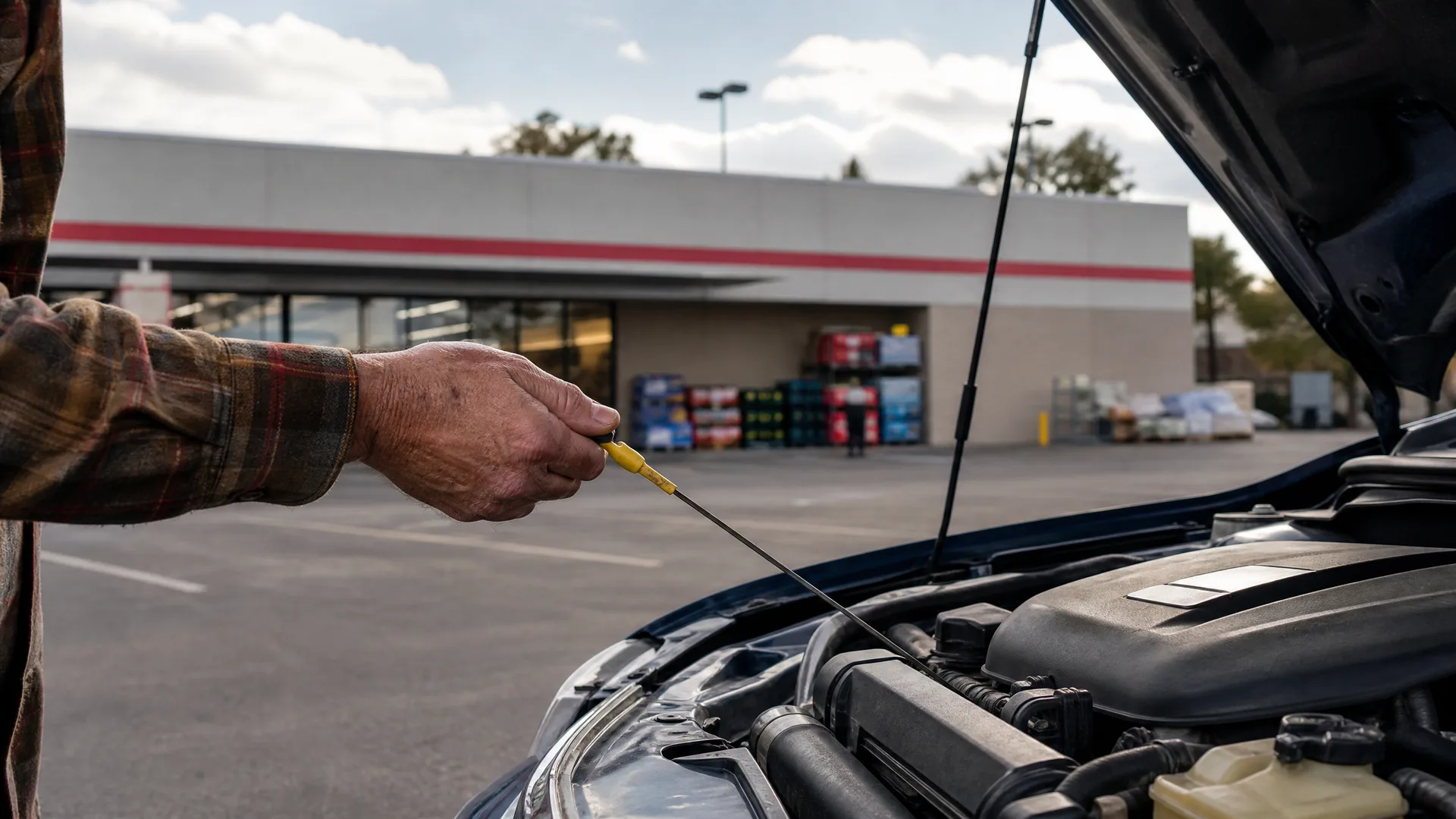
Before your policy renews, check your odometer and write down roughly how many miles you've driven this past year. Call your insurer or agent and ask them to update the mileage estimate on your policy, and ask specifically whether they offer a low mileage discount or a usage based program. If you've taken a driver refresher course, have the completion certificate ready to send in, since most insurers need that paperwork directly from you. While you're on the phone, ask how they treat age as a separate factor from mileage, so you understand what's actually driving your rate. If the answers aren't what you hoped for, use this as the moment to compare what other Massachusetts insurers would charge for the same car and the same driving habits.