Car Insurance for Seniors Who Rarely Drive in Nevada
Driving less can lower your rate in Nevada, but only insurers who ask about mileage and offer a discount for it will give you credit for it.
Yes, if your insurer knows how little you drive
Insurance companies price a policy partly on how much risk your car is exposed to on the road, and mileage is one way they measure that. If you drive less than average, you are a smaller risk by that measure, and some insurers will lower your premium for it. But this isn't automatic. It depends on whether your insurer asks about mileage at renewal, tracks it through a telematics program, or offers a low mileage discount at all.
For a senior driver in Nevada, age by itself doesn't get you this discount. It comes from the driving itself, so you may need to report your mileage, estimate it honestly, or enroll in a usage based program to get credit for it.
How your insurer finds out you drive less
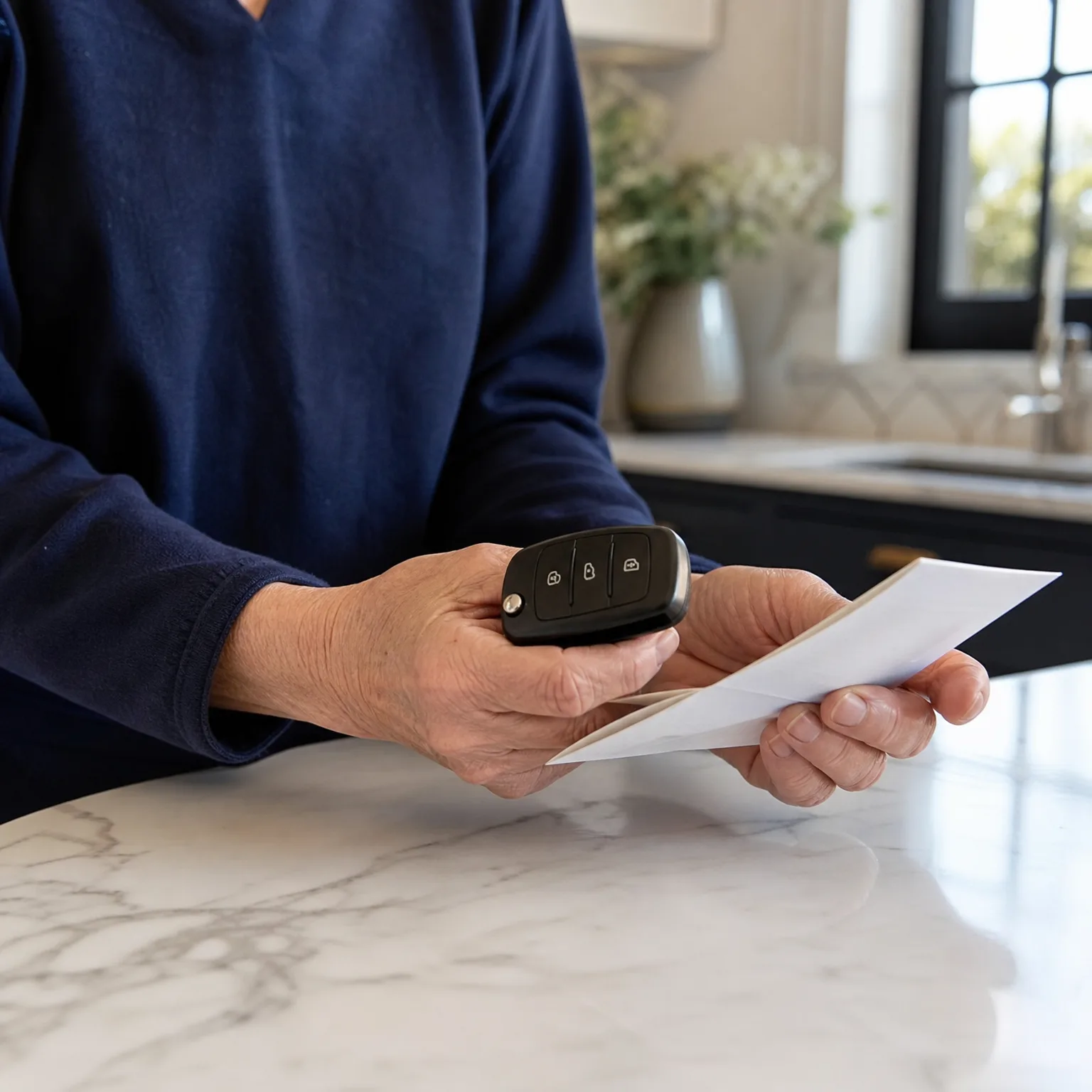
Some insurers ask for an odometer reading or a mileage estimate when you apply or renew. If yours does, this is the moment to give an accurate number rather than guess high out of habit. An old estimate from when you commuted to work can sit on your policy for years and cost you.
Other insurers offer a plug in device or phone app that tracks actual mileage and driving habits. These programs can work in your favor if you drive rarely and carefully, but read what else they track before you sign up. Some also look at braking and time of day, not just distance.
If your insurer does neither, the only way to get mileage considered is to call and ask directly. Tell them your current annual mileage and ask whether that changes your rate or qualifies you for a low mileage discount. If they don't offer one, ask what other discounts apply to a driver with your driving pattern.
What else changes the answer for a senior driver
Mileage is one factor, but it sits alongside others that matter just as much. A clean driving record still carries more weight than low mileage with most insurers. If you've taken a defensive driving or mature driver course, some insurers in Nevada give a separate discount for that, but you usually have to send them the certificate yourself.
The car you drive matters too. An older, fully paid off car needs less comprehensive and collision coverage, and dropping that coverage on a low value car can save more than a mileage discount does.
It's also worth asking whether driving rarely creates its own problem. Some insurers watch for long gaps with no driving at all and may ask questions if a car sits unused for long stretches. If that describes your situation, say so plainly when you talk to your insurer rather than letting them guess.
Questions people ask about this
Does Nevada require a vision test to renew a license at a certain age?
Vision and other renewal requirements for older drivers are set by the Nevada DMV, not by insurers. Check with the DMV directly for what applies at your age and how often you need to renew in person rather than by mail.
Will my insurance go up if I stop driving a car but keep it insured?
This depends on your insurer and how long the car sits unused. Some insurers offer a reduced rate for a car in storage or rarely driven, but you need to ask for it rather than assume it applies automatically.
Can I remove collision coverage on an old car to save money?
You can usually drop collision and comprehensive coverage if you own the car outright and it has little resale value. Ask your insurer what the car is worth before deciding, since that number tells you how much the coverage is actually protecting.
Does a defensive driving course lower my rate automatically?
No, most insurers require you to send them the completion certificate yourself. Taking the course alone doesn't change your premium until your insurer has that paperwork on file.
Should I switch insurers if mine doesn't offer a low mileage discount?
That depends on how much the discount would be worth compared to what you already pay, which varies by insurer. Ask your current insurer directly whether they offer one before assuming you need to switch.
See how insurers in Nevada price a policy for a driver who's on the road less than most.
Find your most recent odometer reading or estimate your mileage for the past year as accurately as you can. Call your current insurer and ask two things: whether they offer a low mileage discount, and whether your current mileage estimate on file is still correct. If you've taken a defensive driving course, locate the certificate and ask where to send it. Ask separately about dropping collision or comprehensive coverage if your car is paid off and older. Write down what you're told, since discounts and requirements vary by insurer and this is the information you'll want when comparing other quotes.