Car Insurance for Seniors Who Rarely Drive in Utah
Driving less can lower your car insurance in Utah, but only if your insurer knows about it.
Yes, low mileage usually helps, if you report it
Insurers price a policy partly on how much you drive, because more miles on the road means more chances of a claim. If you've cut back, whether that's retirement, fewer errands, or giving up a daily commute, that's worth telling your insurer. Some companies ask for your mileage every renewal. Others only update it if you call and say something changed.
It doesn't happen on its own. Your insurer doesn't know you're driving less unless you tell them, and the renewal notice won't prompt you to say it. Ask directly whether they offer a lower rate for low annual mileage, and ask what counts as low enough to qualify.
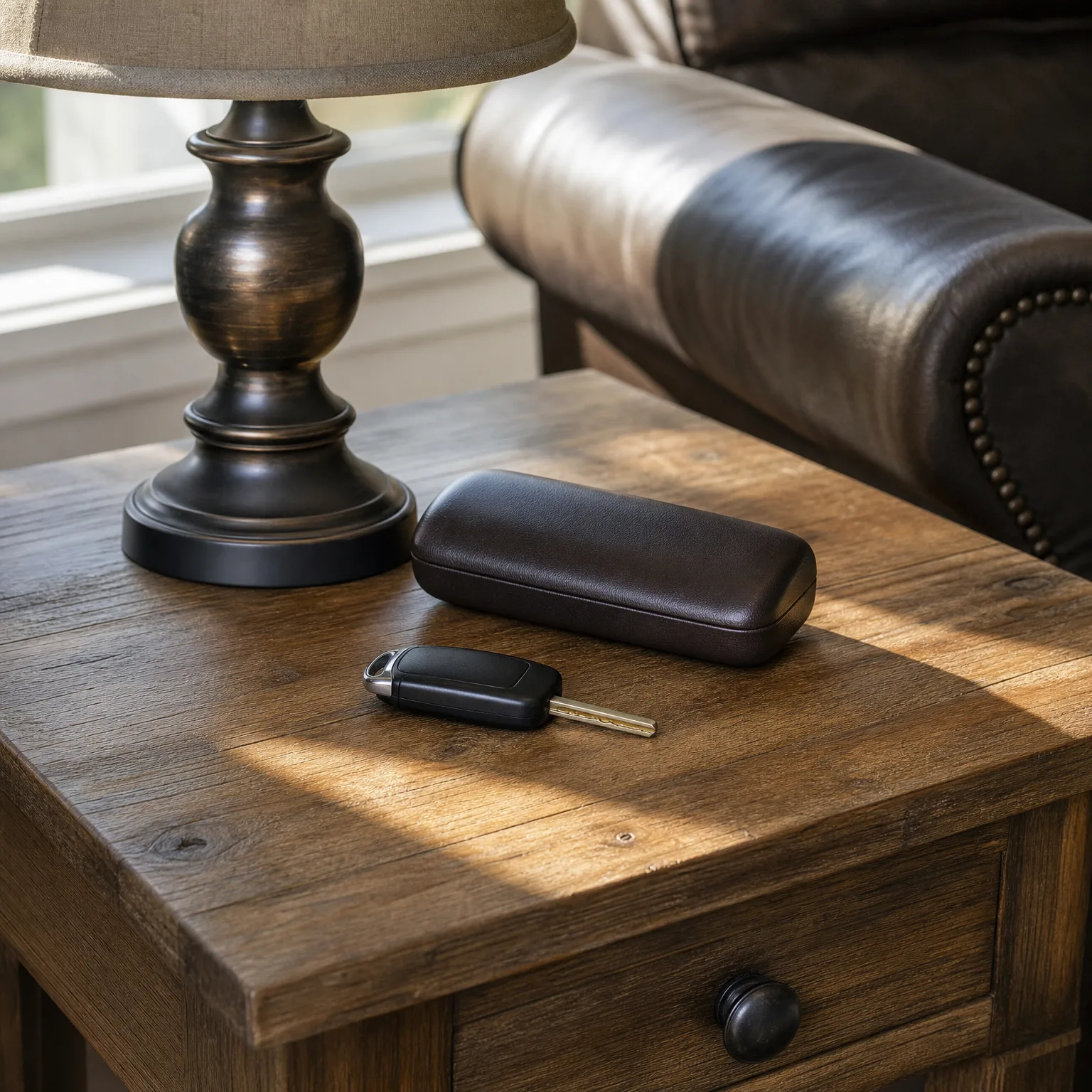
How your insurer defines low mileage matters
There's no single number every company uses. One insurer might consider a driver low mileage well before another would. Some ask you to estimate your yearly total. Others will offer a usage based program that tracks it directly, often through an app or a plug in device.
If you're not sure what you drive in a year, a rough estimate is a reasonable place to start. Think about your regular trips, not just the long ones, and round up rather than down. If your insurer finds out later that you drove more than you said, it can cause a problem with a future claim.
It's also worth asking whether the discount is reviewed every renewal or locked in for a set period. Some companies recheck your mileage each year. If your driving changes again, in either direction, you'd want to know when that gets reflected in your premium.
Age plays a role too, separately from mileage
Utah insurers look at age on its own, apart from how much you drive. Rates can shift as drivers get older, and that can work for or against you depending on the insurer and your driving record. A clean record over many years still counts for something, and it's worth asking your insurer how they weigh that against age.
Some insurers offer a separate discount for completing a defensive driving or mature driver course. If you've taken one, or you're considering it, ask your insurer whether they recognize it and what they need from you. Usually that means sending in a certificate yourself. It isn't applied automatically just because you took the class.
If you're helping a parent with this, it's worth checking both discounts together. A low mileage reduction and a mature driver discount aren't mutually exclusive, but you may need to ask about each one separately rather than assume one request covers both.
Questions people ask about this
Does my car insurance drop automatically when I retire?
No, nothing changes on its own when you stop commuting. Your insurer keeps billing you at your old rate until you call and update your expected mileage or usage. It's worth doing this as soon as your driving habits actually change, not at your next renewal.
What counts as low mileage for insurance purposes in Utah?
It depends on the insurer, since there's no statewide definition. Ask your agent or insurer directly what threshold they use and whether it's based on a yearly estimate or tracked through a usage based program.
Will my insurer find out if I underestimate my mileage?
It's possible, especially if you ever file a claim and they check your car's mileage against what you reported. Giving a reasonably accurate estimate protects you more than guessing low to get a better rate.
Can I switch to a pay per mile policy in Utah?
Some insurers offer this, but not all of them operate it in every state. Ask any insurer you're considering whether they have a usage based or pay per mile option available in Utah, and how the mileage gets tracked and reported.
Does my Utah driver's license renewal affect my insurance rate?
Not directly, those are separate processes handled by different agencies. But if a license renewal involves a vision test or health screening, some insurers ask about that information, so it's worth mentioning if your insurer requests it.
See what insurers in Utah would charge based on how you actually drive now.
Call your current insurer this week and ask two things: whether they offer a low mileage discount, and what they need from you to apply it. Have a rough estimate of your yearly mileage ready, along with your odometer reading if you can get it. If you've taken a defensive driving or mature driver course, find that certificate and ask whether it qualifies for a separate discount. Ask whether the mileage discount is reviewed every renewal or stays fixed, so you know when to update it again. If your current insurer can't offer much, use that answer as a starting point when you compare quotes from others.