Car Sharing Programs for Seniors
Car sharing can cut your costs if you drive little, but it may change what your own insurer expects from you.
It depends on how often you still drive your own car
Car sharing programs can make sense for a senior who no longer drives every day but still wants a car available sometimes. Most of these programs carry their own insurance for the trip itself, so you're not using your personal policy while the shared car is in use.
The part that catches people is what happens to their own coverage in between. If you still own a car and carry your own policy, joining a car sharing program doesn't replace that. It adds a second layer that only applies while you're driving the shared vehicle.
Whether you still own and insure a car yourself
If you've given up your own car and rely only on car sharing, your insurance needs look very different than someone who keeps a car for daily errands and uses car sharing for occasional trips, like a longer drive or a visit somewhere transit doesn't reach.
For the person who still owns a car, car sharing doesn't lower your own premium just because you drive less. Your insurer sets your rate based on what you tell them about your car's use, and switching some trips to a shared vehicle doesn't change that unless you update your policy to reflect lower mileage.
For the person who no longer owns a car, dropping your personal policy entirely is worth thinking through carefully. Some car sharing programs offer their own coverage while you're driving, but that protection usually ends the moment you're not in the car. If you still drive anyone else's vehicle, even occasionally, you may have a gap.
Either way, ask the car sharing program directly what their insurance covers and what it doesn't. Get it in writing if you can, not just a verbal answer from a representative.
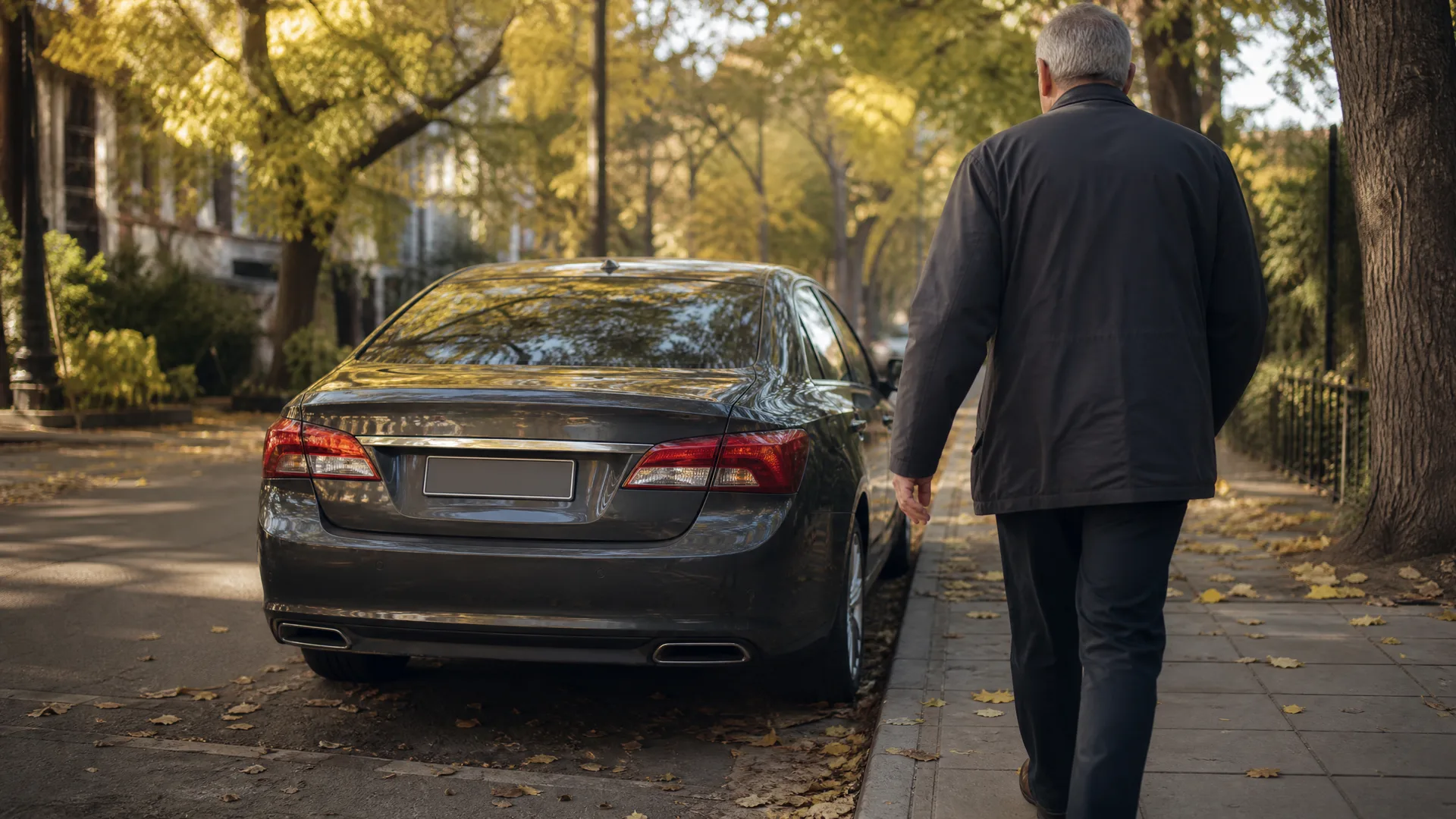
What your own insurer needs to know
Car sharing programs often run their own driver screening, and a senior who still holds a valid license usually qualifies the same as anyone else. But your personal auto insurer is a separate matter, and they don't automatically know you've joined one of these programs.
If you're renting out your own car through a peer to peer car sharing service, rather than just using one as a renter, tell your insurer before you start. Many personal auto policies exclude coverage for a vehicle being used commercially, and renting it out counts as that in the eyes of some insurers. Driving without knowing you've lost coverage is worse than finding out beforehand.
If you're only using car sharing as a renter and keeping your own car parked more often, mention that too. It can lower your mileage enough to matter for your rate, but only if your insurer knows to adjust it. They won't catch this on their own.
What counts as commercial use, and how it's handled, varies by insurer and sometimes by state. Ask your agent directly rather than assuming your policy works the way a neighbor's does.
Questions people ask about this
Do I need a separate insurance policy to use a car sharing service?
Usually not, because most car sharing programs include coverage while you're driving their vehicle. Check what that coverage includes before your first trip, since the amount and type can vary by program. If you're renting out your own car rather than borrowing one, that's a different situation and your personal policy may need updating.
Can I use car sharing instead of keeping my own car insured?
Some seniors do decide to drop their personal policy and rely only on car sharing, but it depends on how often you'd still need a car outside the program. If you occasionally drive a family member's car or a friend's, dropping your own policy entirely could leave you without coverage in that moment. Think through all the ways you might end up behind a wheel, not just the planned ones.
Does car sharing affect my driving record the same way my own car does?
Yes, a ticket or an accident while driving a shared vehicle still goes on your driving record the same as if it happened in your own car. The car sharing program's insurance may cover the claim, but the record follows you, not the car. That matters for your personal insurer later, since they look at your full record when setting your rate.
Will joining a car sharing program lower what I pay for my own car insurance?
Only if it actually changes how much you drive your own car, and only if you tell your insurer about that change. Simply joining a program doesn't adjust your rate automatically. Call your insurer and ask whether reporting lower mileage would apply to your policy.
What happens if I'm in an accident while driving a shared car?
The car sharing program's insurance typically handles the claim first, since the incident happened in their vehicle under their coverage. Your own insurer may still ask about it when you renew, since some applications ask about any accidents regardless of whose car was involved. Ask the program directly how they handle claims and what they report, since this varies by company.
See how your current coverage compares before you decide what to keep and what to change.
Pull up your current auto policy and check what it says about other vehicles and commercial use. Call your insurer and ask two things: whether driving less would lower your rate, and whether joining a car sharing program as a renter or a host changes your coverage. If you're considering renting out your own car, get that answer in writing before you list it. Then contact the car sharing program directly and ask what their insurance covers, what it doesn't, and what happens if you're in an accident. Keep notes on both conversations so you can compare them side by side.