Do I Need Insurance if I Do Not Drive
Whether you need coverage depends less on how often you drive and more on whether you own a car and what your state requires.
It depends on whether you still own the car
If the car is registered in your name, most states require you to carry insurance on it whether you drive it or not. The requirement is tied to ownership and registration, not to how many miles you put on the odometer.
If you've sold the car or taken it off the road and surrendered the registration, you generally don't need to insure it. The exception is if a lender still holds a loan on it, since most lenders require coverage until it's paid off.

What your state requires you to carry
Every state sets its own rule for what a registered vehicle must carry, and some states charge a fee or suspend your registration if a car sits uninsured while still registered. Letting coverage lapse on a car you still own is the mistake that catches people off guard.
If you want to stop paying for a car you're not driving, the clean way to do it is to cancel the registration and turn in the plates, not just stop paying the insurance bill. Check with your state's motor vehicle agency on what's required to take a car off the road properly.
Some states also offer a reduced form of coverage for a car that's stored and not driven, sometimes called comprehensive-only or storage coverage. It protects against theft or damage while the car sits, at a lower cost than full coverage. Ask your insurer whether they offer this before you cancel the policy outright.
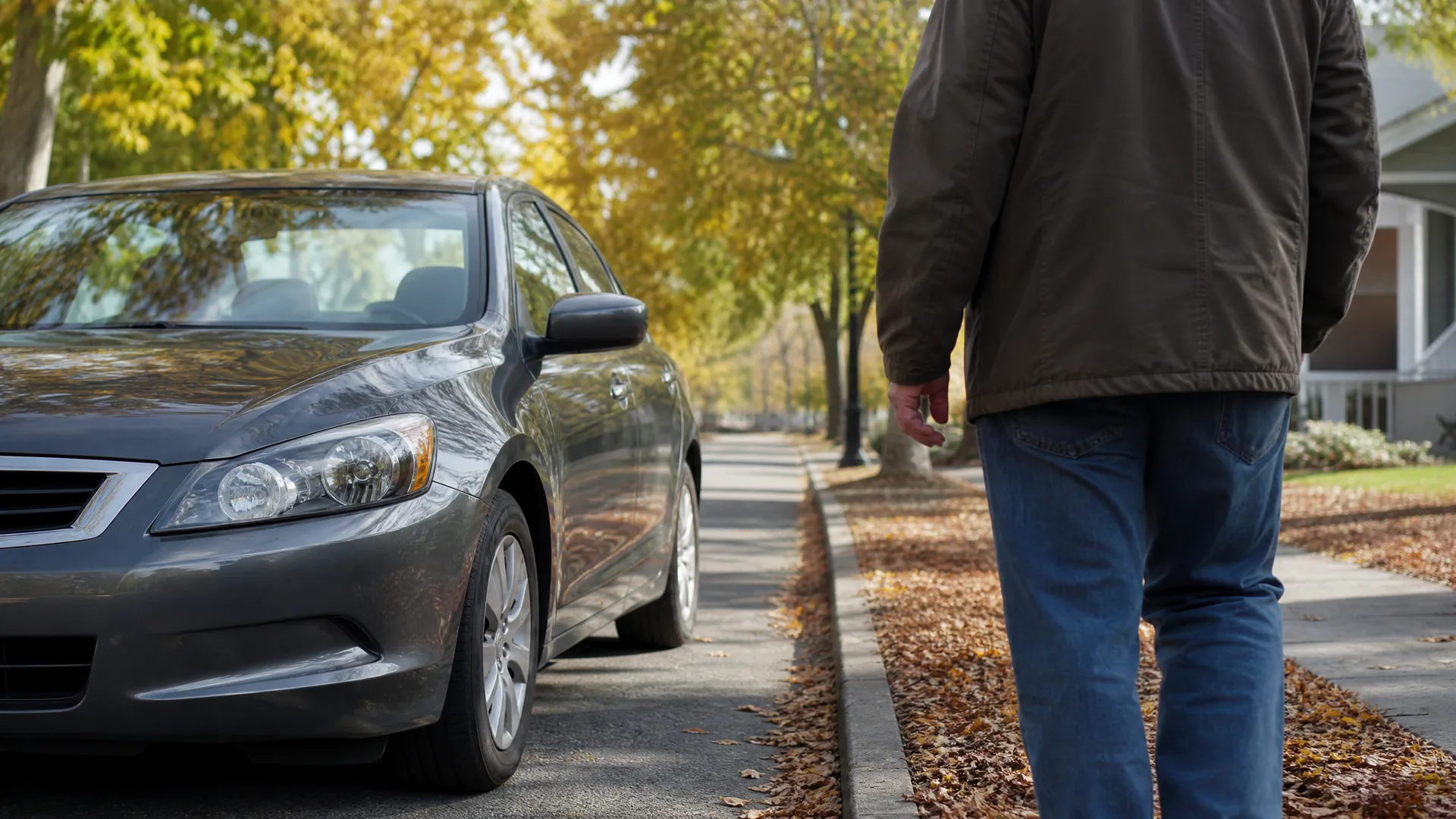
What happens to your driving record and rates if you go without
If you let your policy lapse because you've stopped driving altogether, that gap can follow you. Insurers look at whether you've carried continuous coverage, and a lapse can mean a higher premium when you do get a policy again, even years later.
This matters most for someone who expects to drive again, maybe after a car is repaired, after moving, or after giving up a car temporarily. If there's any chance you'll need to insure a vehicle again before long, ask your current insurer about a non-owner policy. It keeps a continuous record on file without insuring a specific car.
If you're certain you're done driving for good, the record gap matters much less. The decision then comes down to registration and ownership, not insurance history.
Questions people ask about this
Do I need insurance if my car is in storage?
You may need some form of coverage if the car is still registered in your name. Ask your insurer whether they offer a reduced storage or comprehensive-only policy for a car that isn't being driven, since it costs less than full coverage but still protects against theft, fire, or weather damage.
Can I cancel my car insurance if I stop driving?
You can cancel it once the car is no longer registered to you. If you still own and register the vehicle, check with your state on whether insurance is still required even if you never start the engine.
What is non-owner car insurance?
It's a policy that covers you as a driver without insuring a specific car, often used by someone who doesn't own a vehicle but occasionally borrows or rents one. It also keeps your insurance history continuous, which can matter if you plan to own a car again later.
Will my insurance rates go up if I let my policy lapse?
A lapse can affect what you pay when you get a new policy, since insurers often ask about continuous coverage history. How much it affects your rate depends on the insurer and how long the gap lasted, so ask directly if you're considering letting coverage lapse.
Do I need insurance if I give my car to a family member?
That depends on whose name is on the title and registration. If the car is still registered to you, you're likely still required to insure it, so check with your state's motor vehicle agency before assuming the responsibility has transferred.
If you're deciding whether to keep, reduce, or drop coverage, see what a policy built around your situation would actually cost.
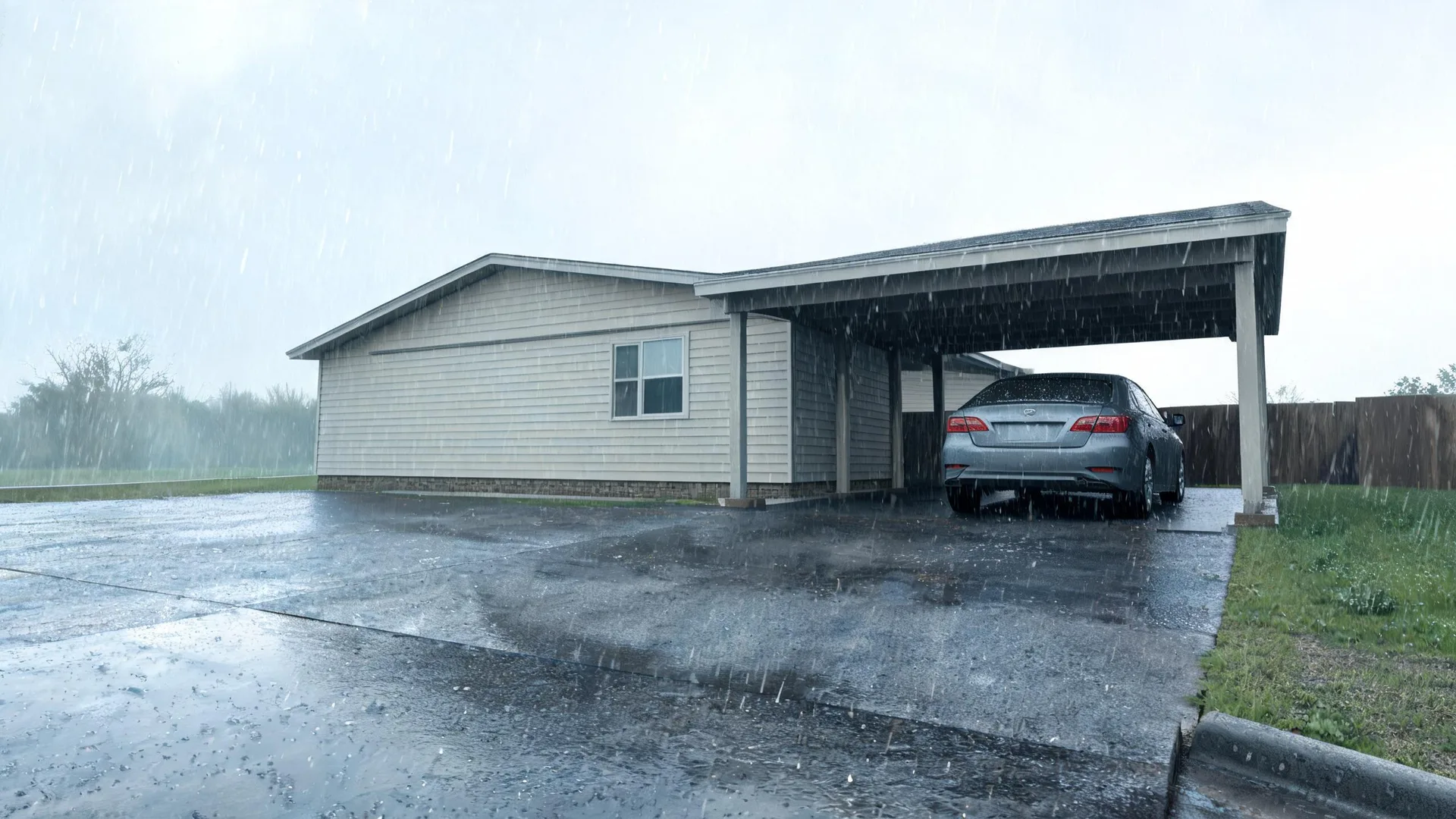
Start by checking whether the car is still registered in your name, since that's what determines whether insurance is required at all. If it is, call your insurer and ask specifically about a storage or comprehensive-only policy rather than canceling outright. If you've sold the car or plan to stop driving for good, contact your state's motor vehicle agency about properly canceling the registration and turning in the plates. If there's any chance you'll drive again soon, ask about a non-owner policy so you don't end up with a coverage gap on your record. Have your registration, policy number, and the car's title status ready before you call, since it will speed up the conversation.