Does a Low Mileage Car Sell for More
Low mileage does add to resale value, but condition and the car's history matter just as much.
Yes, but mileage is only part of what sets the price
A car with fewer miles on it than others its age usually sells for more. Buyers read low mileage as less wear on the engine, the transmission, and everything else that degrades with use, so they're willing to pay for it.
But a dealer or private buyer pricing the car will also look at its service records, whether it has any accident history, and how the interior and paint have held up. A low mileage car that's been neglected can still price below a higher mileage car that's been well cared for. Mileage sets an expectation. Condition confirms or breaks it.
How the car was driven matters as much as how far
A car with low mileage because it sat in a garage for years can have problems a car driven steadily does not. Seals dry out. Fluids break down even when the car isn't moving. Tires develop flat spots. A buyer who knows to ask will want to know whether the low mileage came from short trips, long highway stretches, or long stretches of sitting unused.
If you're selling, your service records help here. A car with low mileage and a full history of regular oil changes and maintenance tells a buyer the car was looked after, not just left alone. Without that history, a buyer may discount the car no matter what the odometer says.
If you're buying, ask why the mileage is low. A good answer is normal: the owner worked from home, had a short commute, or used it as a second car. A vague answer is worth a mechanic's inspection before you commit.
What local buyers expect changes the premium you get
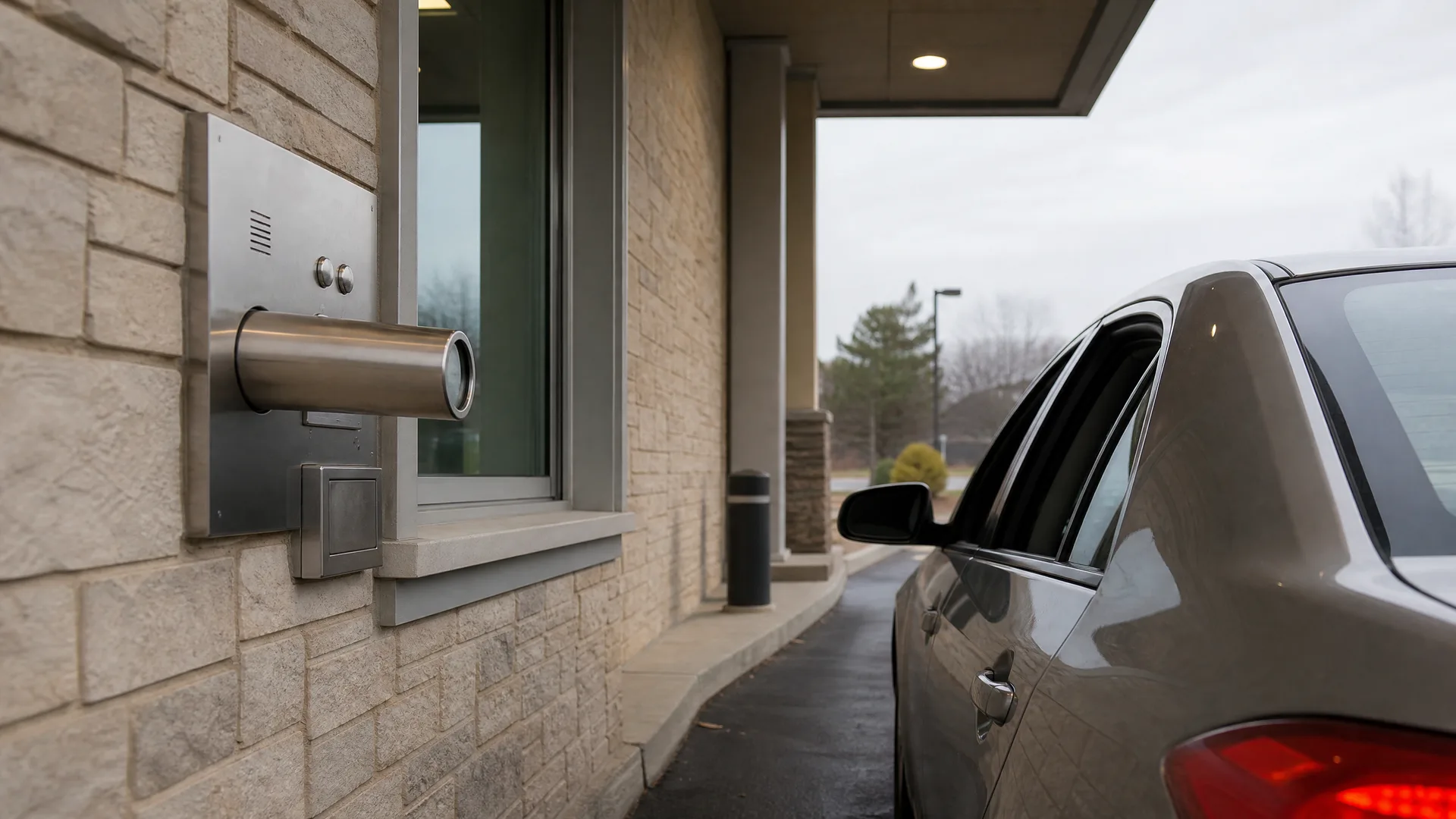
The value of low mileage depends on what's typical for that model and year where you're selling. If most cars of that make and age on the market already have low mileage, yours won't stand out as much. If most have higher mileage, yours will command more of a premium.
The type of car matters too. Trucks and SUVs bought for work tend to rack up miles, so a low mileage example is rarer and more sought after. A commuter sedan might already have many low mileage examples on the market, narrowing the gap.
Timing also plays a role. A car that's getting close to an age where major components typically need attention will get more scrutiny on mileage, since buyers are weighing how much life is left in it.
Questions people ask about this
Does low mileage affect my car insurance rate?
Many insurers do ask how many miles you drive each year and may offer a lower rate for low mileage drivers. This varies by insurer, so it's worth asking yours directly whether they offer a low mileage discount and what counts as low mileage to them.
Should I stop driving my car to keep the mileage low before I sell it?
Driving normally won't meaningfully hurt the resale value, and a car that sits unused can develop its own problems. If you're planning to sell soon, keep up with routine maintenance rather than trying to minimize miles.
Does a car's mileage matter more than its age when selling?
Both matter, and buyers weigh them together rather than picking one. A newer car with unusually high mileage may raise questions, while an older car with low mileage may raise different ones about how it was stored or used.
Will a vehicle history report show my car's mileage history?
A vehicle history report typically shows mileage recorded at points like inspections, registrations, or past sales, which lets a buyer check that the mileage has increased normally over time rather than being altered.
Does low mileage help if my car has an accident on its record?
Low mileage can help, but an accident history usually affects buyers more than mileage does. Ask what the accident involved and whether there's documentation of the repair, since that tells a buyer more than the odometer reading does.
If you're weighing whether to keep your car or sell it, compare what it would cost to insure something new against what you have now.
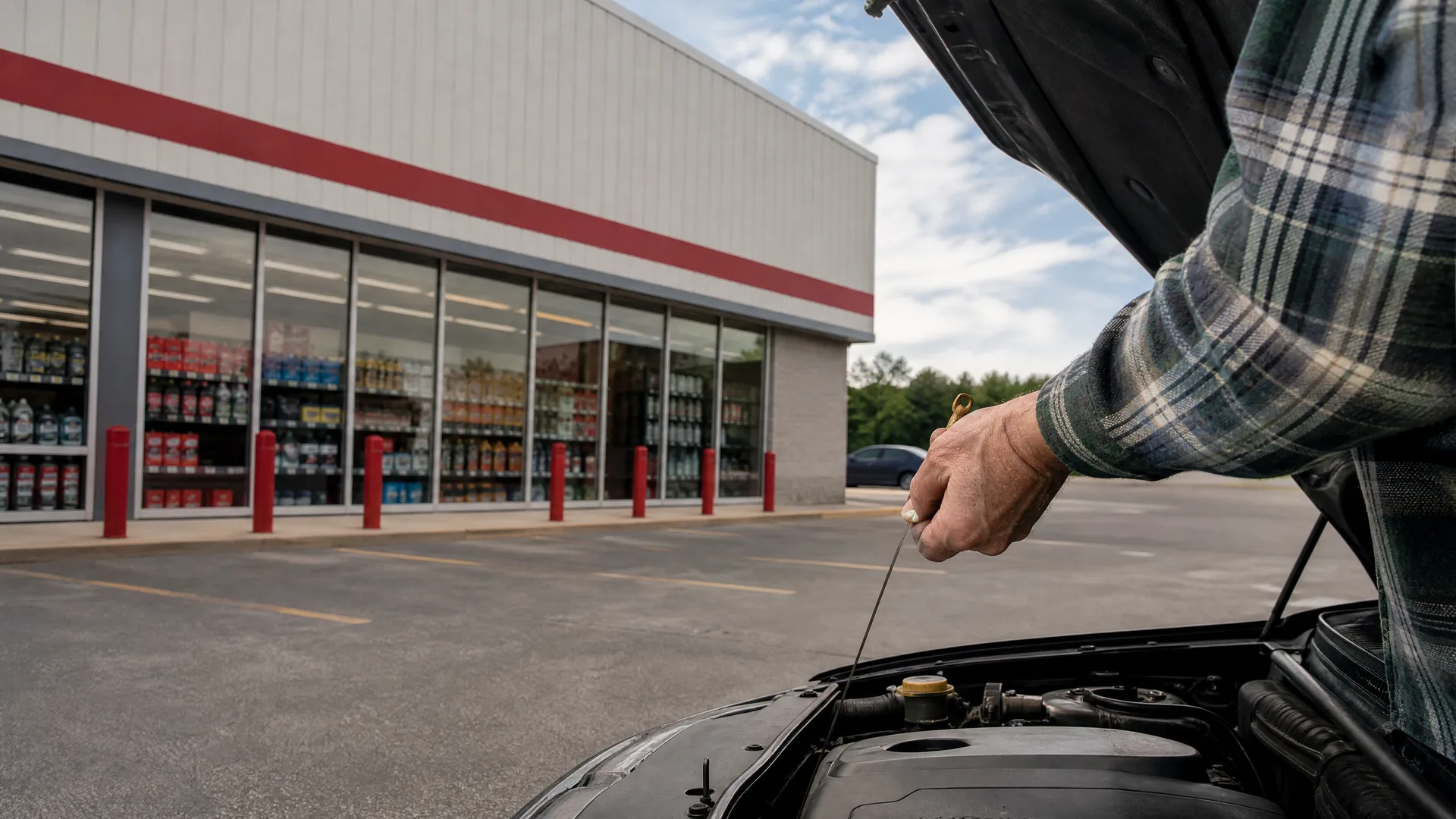
Pull your maintenance records together before you list the car or take it in for an appraisal. If you don't have them, your mechanic or dealer may have service history on file. Get a sense of what similar cars with similar mileage are listed for in your area, not just the national average. If you're buying instead of selling, ask the seller directly why the mileage is low and consider having a mechanic check for issues that don't show up on the odometer. Either way, check with your insurer about whether your mileage affects your rate, since that's a separate question from what the car is worth.