Does Insurance Actually Check Mileage
Some insurers check, some don't, and the ones that do rarely tell you how.
Yes, but not every time and not every insurer
Most insurers take your mileage estimate at face value when you buy or renew a policy. They don't send someone to read your odometer. But that doesn't mean the number you give them goes unchecked.
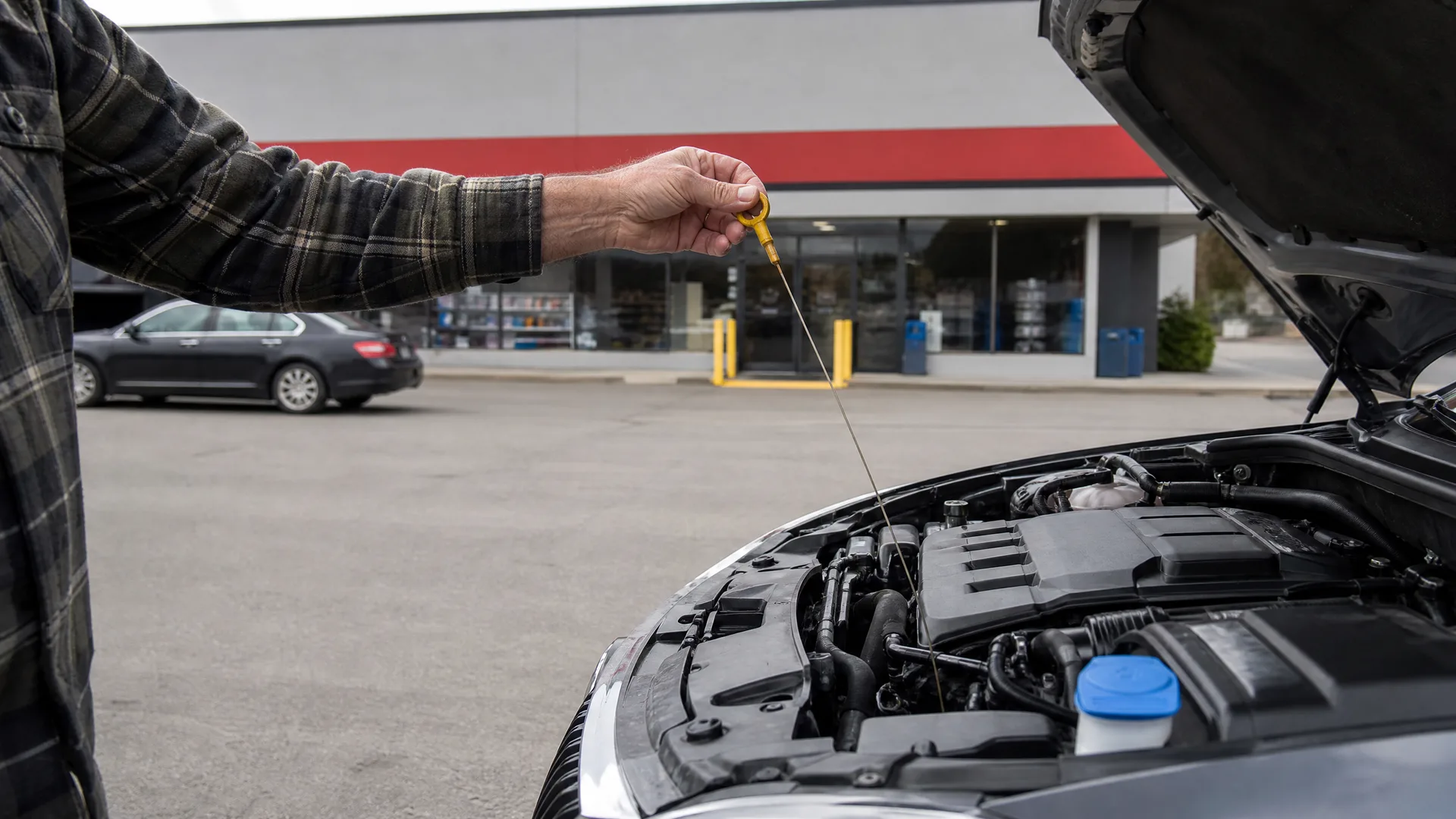
Insurers can and do verify mileage through other channels. Oil change records, state inspection reports, and odometer readings from past claims all end up in databases that insurers can access. If your estimate is far off from what those records show, it can come up later, often at claim time rather than at renewal.

How they find out matters more than whether they check
An insurer rarely calls you up to confirm your mileage. Instead, they cross-reference it. When you file a claim, the adjuster often asks for your current odometer reading, and that number gets compared against what's on file from your policy application.
Services like oil changes, state emissions tests, and vehicle inspections report odometer readings to third-party databases that insurers can subscribe to. If you told your insurer you drive under a certain amount a year, and an inspection record from six months ago shows a much higher reading, that gap is visible to them.
This is also how telematics and usage-based programs come in. If you've opted into a mileage-tracking device or app, the insurer has your actual mileage in real time. That removes the guesswork entirely, for better or worse depending on how much you actually drive.
What you can do is keep your estimate honest from the start. If your driving habits change, a new job, a move, working from home, update your insurer. It costs you nothing to report lower mileage, and it protects you if a claim ever brings the number into question.
What happens if the numbers don't match
The real risk isn't a routine audit. It's what happens after an accident. If a claim reveals your actual mileage was significantly higher than what you reported, the insurer may treat that as a misrepresentation on your application.
The consequence depends on the insurer and the state. Some will simply adjust your premium going forward. Others may argue the discrepancy affects coverage on the claim itself. This is worth asking your insurer directly: what happens if my mileage turns out to be different than what I estimated.
A common mistake is underestimating mileage to get a lower rate on purpose. This is the scenario that causes real problems, because it looks intentional once an insurer compares your estimate to outside records. An honest estimate that turns out to be wrong is a very different conversation than one that looks deliberately low.
If you're not sure what your actual annual mileage is, check your last few inspection or service records. They usually show the odometer reading and the date, which makes it easy to calculate a real average instead of guessing.
Questions people ask about this
Can I change my mileage estimate after I buy a policy?
Yes, you can usually update it at any time, not just at renewal. Call your insurer or log into your account and ask them to revise the estimate. If your driving has dropped significantly, this can also lower your premium before your next renewal date.
Does a usage-based insurance program track more than mileage?
Often, yes. Many of these programs also track braking, speed, and time of day driven, not just distance. Ask your insurer specifically what the device or app records before you agree to use one, since the answer varies by program.
Will my insurer know if I use my car for work instead of commuting?
Not automatically, but it depends on what you disclosed when you bought the policy. Commuting, business use, and pleasure use are often rated differently. If your car's purpose changed, tell your insurer directly rather than assuming they'll find out through mileage alone.
What counts as proof of mileage if my insurer asks?
Service records, inspection reports, and odometer photos are the most common forms. Keep any paperwork from oil changes or state inspections, since those documents list the odometer reading and date, which is exactly what an insurer would want to see.
Does low mileage always mean a lower premium?
Not always, since mileage is just one factor among several. Your insurer also weighs your driving record, where you park, and the car itself. Ask your agent how much weight mileage carries in your specific rate before assuming a lower number will make a real difference.
See how different insurers weigh your mileage before you commit to one.
Pull your last inspection or oil change receipt and check the odometer reading against what you estimated when you bought your policy. If the numbers are close, you're fine. If they're far apart, call your insurer this week and ask them to update your mileage estimate. If you're considering a usage-based program, ask exactly what it tracks and how that data gets used before you sign up. And if you've had a recent change in routine, a new commute, more remote work, less driving overall, report it now rather than waiting for renewal.