Driving Less in Retirement Pros and Cons
Fewer miles can mean a lower premium, but only the insurer who knows about it will give you credit for it.
It helps your rate, but only if your insurer knows
Driving less in retirement is worth doing, and it can lower what you pay, but the saving isn't automatic. Insurers set part of your premium based on how many miles you expect to drive each year. If you don't update that number, you're still being charged as if you commute five days a week.
The tradeoff isn't really about money. It's about what happens to your skills and your coverage when the car sits more than it used to. A car driven less can still need the same insurance, and a driver who drives less doesn't automatically stay sharper behind the wheel. Both sides are worth thinking through, not just the discount.
How you report your mileage matters most
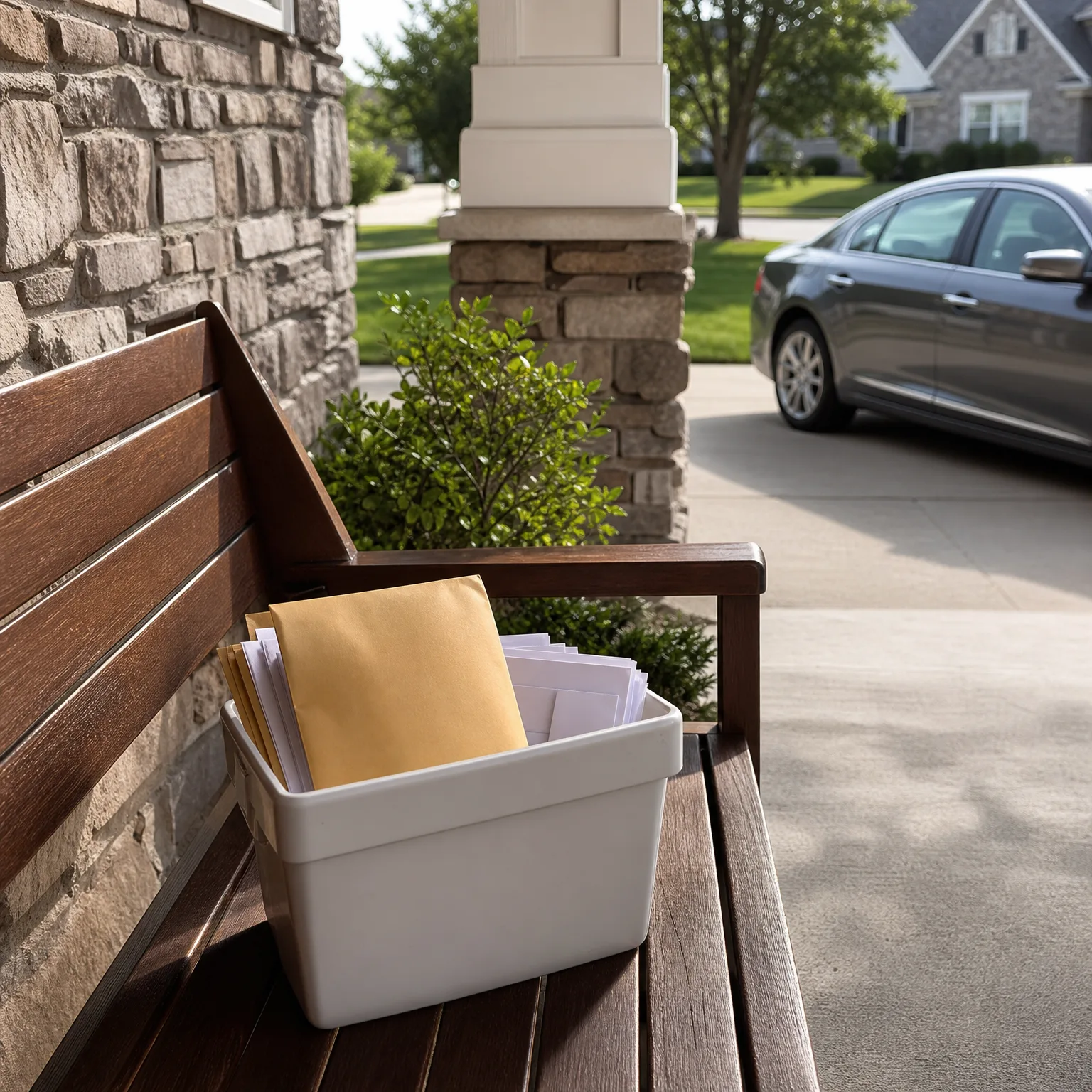
Most policies are priced in part on estimated annual mileage. When you retire and stop commuting, that estimate is usually wrong, and it's wrong in your favor if you correct it. Call your insurer or your agent and give them a realistic new number, not a hopeful one.
Some insurers ask you to confirm mileage at renewal. Others won't adjust anything unless you bring it up yourself. If your insurer offers a low mileage discount, ask what counts as low and how they verify it. Some track it through an odometer reading at renewal, others through a telematics device plugged into your car.
If you drive so little that you're considering dropping coverage entirely, don't. Even a car that rarely leaves the driveway needs to stay insured if it's registered, and a lapse in coverage can cost you more later than the premium does now.
If you're down to almost no driving, ask whether a different policy type fits better, one built around occasional use rather than daily use. Not every insurer offers this, so you'll need to ask.
Driving less can change your skills, not just your mileage
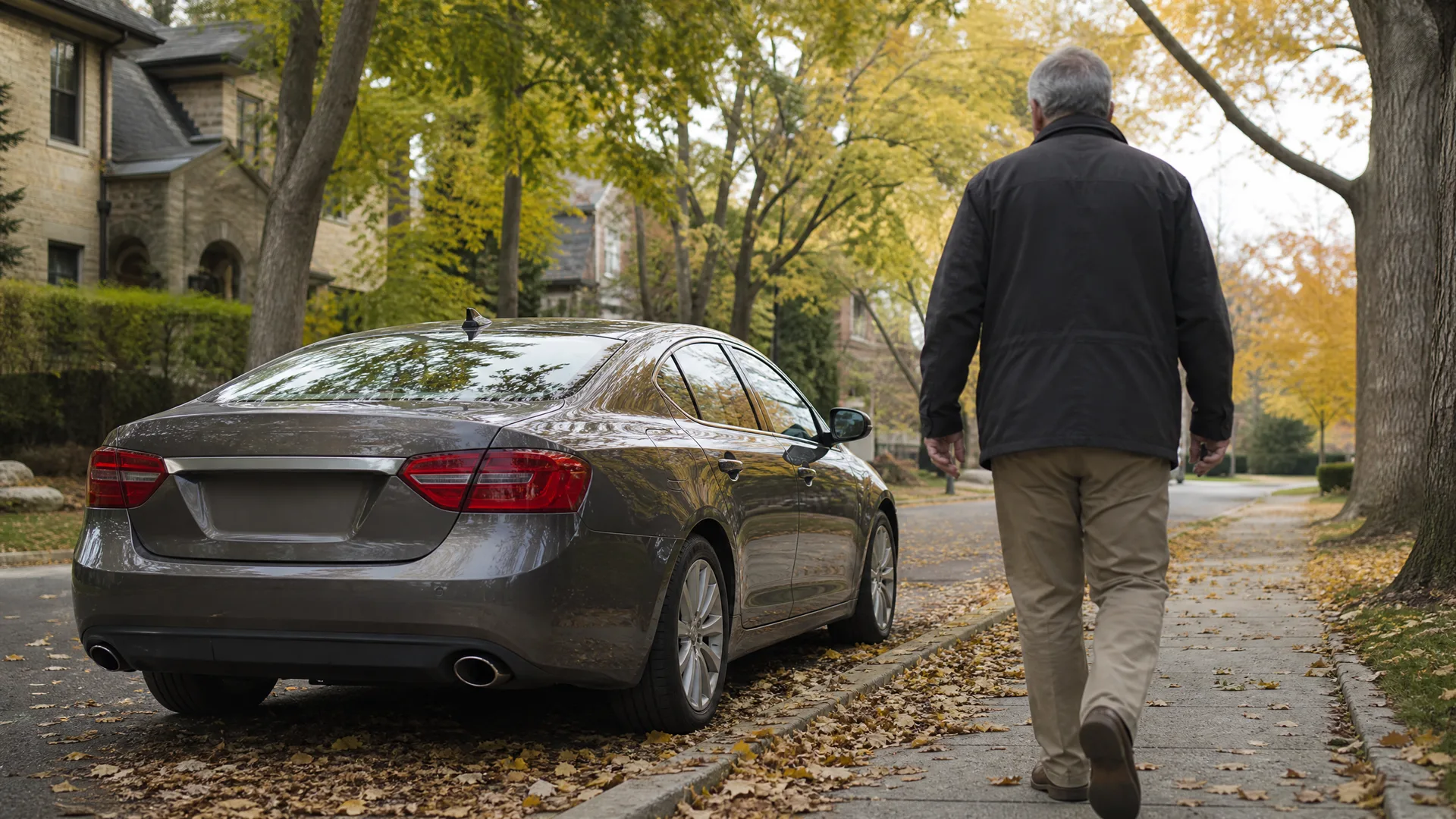
Skills fade with disuse the same way they build with practice. A driver who used to handle highway merges and heavy traffic every day, then stops doing either, may find both harder when the occasion comes up. That's worth noticing before it becomes a problem, not after.
This cuts both ways on insurance. Fewer miles generally means fewer chances for a claim, which insurers reward. But if the driving you still do is the hardest kind, like a long highway trip once a year, rather than a daily routine you've kept sharp, the risk per mile can go up even as total risk goes down.
Some insurers offer a discount for completing a defined driver safety or refresher course. If yours does, ask what the course needs to cover and whether you have to send them a certificate afterward. Taking the course isn't enough on its own.
If you're helping a parent weigh this, pay attention to whether they've quietly narrowed their own driving, fewer night trips, no more highway, shorter errands. That's often a sign worth a direct conversation, separate from anything about the policy.
Questions people ask about this
Does my insurance go down automatically when I stop commuting?
No. Your insurer prices your policy based on the mileage estimate on file, and that estimate doesn't update itself. You have to contact your insurer or agent and give them your new expected mileage for it to count.
Should I switch to a pay per mile policy after retiring?
It depends on how little you're driving and what your insurer offers. These policies suit drivers who use their car rarely and predictably. Ask your insurer directly whether they offer one and what the per mile rate works out to compared with your current policy.
Will my insurer cancel my policy if I barely drive?
No, insurers don't cancel policies for driving too little. If anything, lower mileage tends to work in your favor. The risk is on your end: letting coverage lapse because the car isn't being used is a decision you make, not one your insurer makes.
Does a defensive driving course lower my rate if I'm already driving less?
It can, but only where the insurer offers that discount and only after you send proof you completed it. Check with your insurer first about which courses qualify before you pay for one.
How do I know if my parent should be driving less than they are?
Watch for changes they've already made on their own, like avoiding night driving or busy roads, rather than waiting for an incident. A private conversation about what they've noticed in themselves is usually more useful than a conversation about the insurance.
See how a lower mileage estimate changes what insurers would charge you.

Find your most recent renewal notice and look at the annual mileage estimate it lists. If it reflects your old commute rather than your retired routine, call your insurer this week and ask them to update it. Ask at the same time whether they offer a low mileage or pay per mile option, and what they'd need from you to verify it. If a driver safety course discount is available, ask what the course must cover and what paperwork you need to send in afterward. Keep the certificate and the date you submitted it, in case the credit doesn't show up on your next bill.