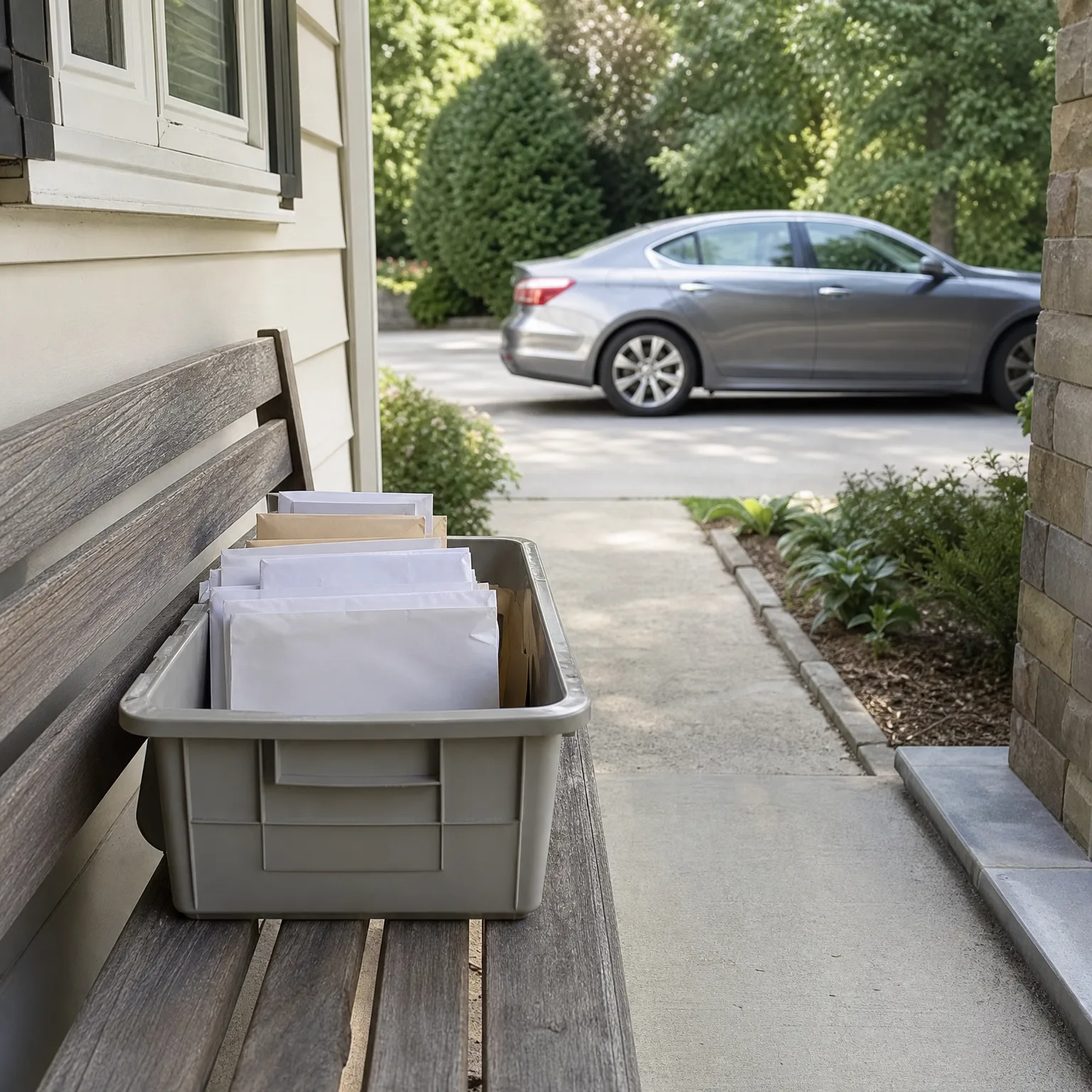
How Gas Goes Bad in a Car That Sits
Gasoline doesn't last forever in the tank, and a car left sitting too long can end up with fuel that won't burn the way it should.
Gas breaks down because its lighter compounds evaporate and the rest oxidizes
Gasoline is a blend of different compounds, and the lightest ones, the ones that help an engine start easily, evaporate first. What's left behind is heavier and doesn't ignite as readily. At the same time, gasoline reacts slowly with the oxygen in the air inside the tank, forming gum and varnish that can clog small fuel passages.
How fast this happens depends on the gas itself. Gasoline blended with ethanol, which is most gasoline sold in the United States, breaks down faster than pure gasoline because ethanol attracts moisture from the air. A full tank also fares better than a nearly empty one, since there's less room for air and condensation inside the tank.
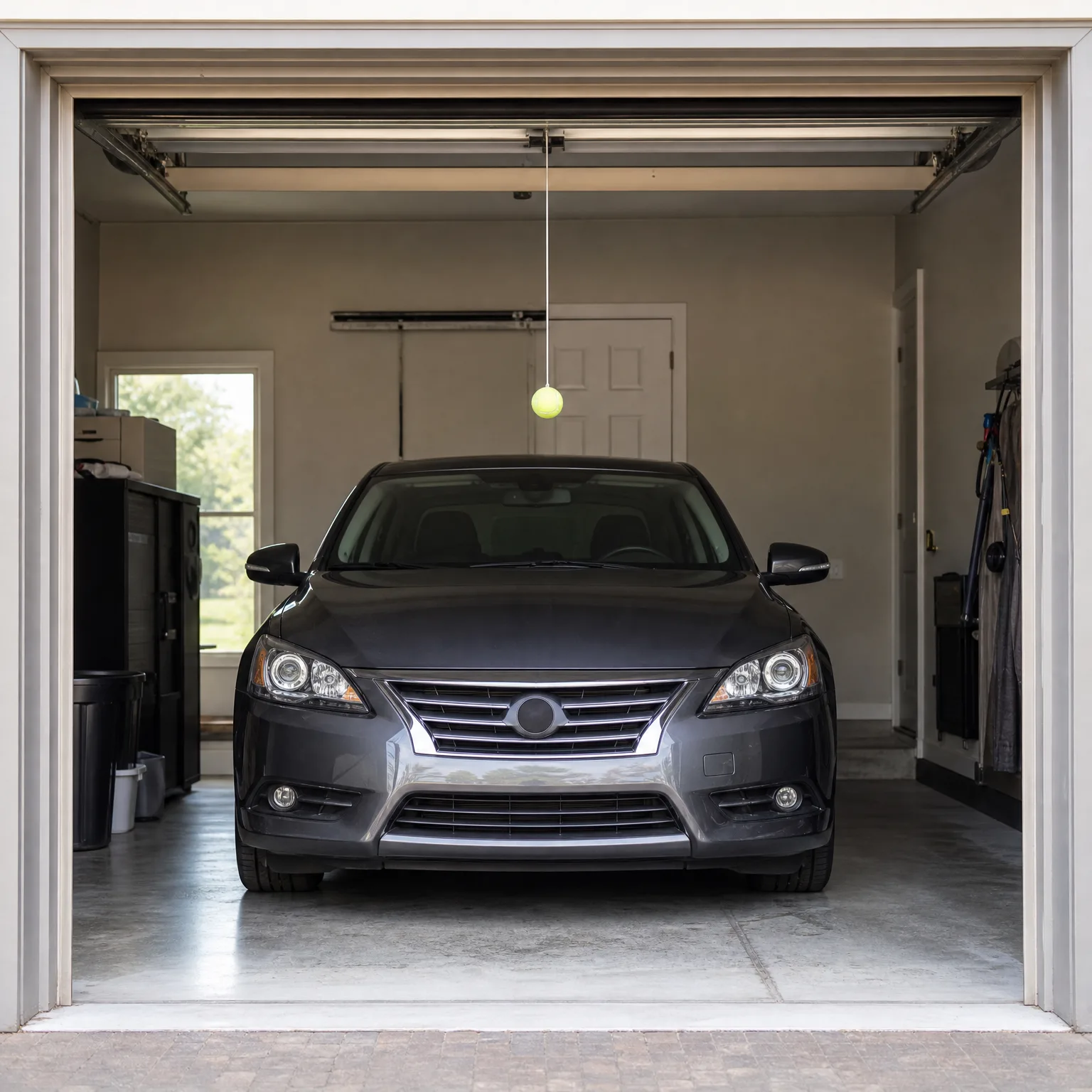
How long the car sits matters more than anything else
A car that sits for a few weeks is unlikely to have any trouble at all. The real problems start when a car sits for months, which is common with a second vehicle, a car kept for a teenager who's away at school, or a vehicle left behind after someone stops driving.
The longer gas sits, the more of those light compounds evaporate and the more moisture builds up from condensation inside the tank. Past a certain point, the engine may crank but struggle to start, run roughly once it does, or stall at idle. In more severe cases, the gummy residue left behind can clog the fuel injectors or the fuel filter, which is a repair job, not something you can fix by adding fresh gas.
If a car is going to sit for an extended stretch, running the tank closer to full before parking it helps, since there's less air inside to hold moisture. A fuel stabilizer added before the car sits can also slow the breakdown, though it doesn't stop it indefinitely.

What people get wrong about old gas
The common assumption is that bad gas simply stops working, the way a dead battery stops working. It's more accurate to say the gas works less well. An engine running on degraded fuel may start slowly, idle unevenly, or lose some power, rather than failing outright.
Another common mistake is assuming that adding fresh gas on top of old gas solves the problem. It dilutes the old gas but doesn't remove the gum or varnish that may have already formed in the fuel lines or injectors. If a car has been sitting for a long stretch and runs poorly once started, draining the old fuel is usually the more reliable fix.
People also assume this only affects classic cars or vehicles stored for the winter. It applies just as much to a car sitting unused in a driveway or garage for other reasons, including a car that belonged to someone who can no longer drive it.
Questions people ask about this
How can you tell if the gas in a car is bad?
The clearest signs show up when you try to start the car. Difficulty starting, rough idling, stalling, or a noticeable loss of power after the engine does start are all signs the fuel has degraded. Old gas can also take on a sour or stale smell compared to fresh gasoline.
Is it safe to drive a car after it's been sitting for months?
It depends on how long the car sat and how it was stored. If the tank was full and a stabilizer was used, a short test drive is usually fine. If the car sat for a long stretch with a low tank, it's worth checking the fuel before starting the engine, since running degraded fuel through the system can leave deposits in the fuel lines and injectors.
Does adding fresh gas fix a car that has been sitting?
Topping off the tank with fresh gas dilutes the old fuel but doesn't undo any damage already done to the fuel system. If the car starts and runs normally after adding fresh gas, that's usually enough. If it still runs rough, the old fuel likely needs to be drained rather than just diluted.
How do you store a car long term so the gas doesn't go bad?
Filling the tank most of the way reduces the air and moisture inside, which slows how fast the fuel degrades. Adding a fuel stabilizer before parking the car extends that further. Starting the car periodically, if that's possible, also helps keep fuel moving through the system instead of sitting still.
Can bad gas damage the engine itself?
Degraded fuel is more likely to clog the fuel filter or injectors than to damage the engine directly, but running the car on fuel with heavy gum or varnish buildup for a long stretch can eventually affect engine performance. A mechanic can check the fuel system if the car has been sitting for an extended period and isn't running right.
If a car that's been sitting is about to go back on the road, it's worth seeing what it would cost to insure before you start it up.

If the car has been parked for months, check the fuel level and have a look at the tank before you try to start it. If it's low, consider having the old gas drained rather than just topping it off. Once the car starts and runs smoothly, take it for a short local drive before relying on it for anything longer. If it struggles to start or runs rough, a mechanic can check the fuel system before you put more miles on it. And if the car hasn't been insured while it sat, confirm it has active coverage before it goes back on the road.