Is It Better to Have Collision or Comprehensive
They're not substitutes for each other. Collision covers crashes, comprehensive covers everything else that can happen to your car.
Neither is better. They cover different risks
Collision pays for damage from hitting another car or an object, or from your car flipping or rolling, no matter who caused it. Comprehensive pays for damage that isn't a collision: a tree branch falling on your car, a deer, hail, theft, vandalism, a cracked windshield from a rock.
Most drivers who carry one of these carry both, because a crash isn't the only way a car gets damaged. The real question usually isn't which one to pick. It's whether you need either, and that depends on what your car is worth and what you'd do if you had to replace it.
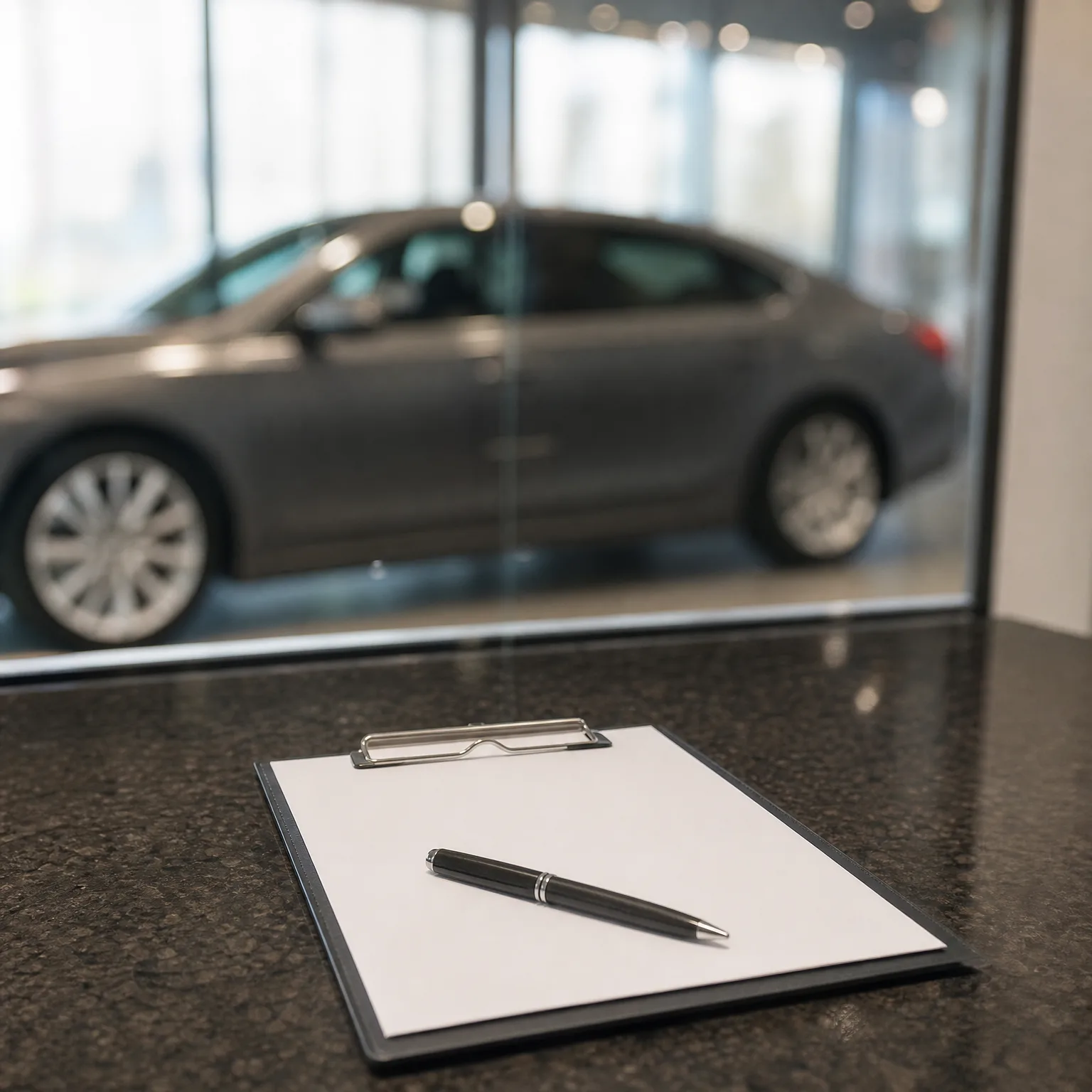
What your car is worth changes the math
If your car is paid off and worth very little, collision and comprehensive may cost more over a year than the car itself is worth if it were totaled. That's the point where some drivers decide to drop one or both and keep only liability coverage.
If you're still financing or leasing, your lender almost certainly requires both. Check your loan or lease agreement, not your instinct about what you need. The lender's requirement overrides any decision you'd otherwise make on your own.
If your car is newer or worth repairing, comprehensive is usually the one drivers keep even when they drop collision, since the kind of damage it covers (a windshield, a break-in, a storm) tends to show up regardless of the car's age.
Ask your insurer what your car's actual cash value is before you decide to drop either one. That number, not the car's age, is what should drive the decision.
What you can afford to pay out of pocket matters more than which coverage sounds safer
Both collision and comprehensive have a deductible, the amount you pay before the coverage pays anything. If you couldn't comfortably cover that deductible plus the cost of a rental or a tow, dropping either coverage means you're also deciding you could pay for a full repair or replacement yourself.
Where you park and drive matters too. Street parking in an area with a lot of break-ins or vandalism makes comprehensive worth more to you. A long highway commute raises the odds you'll need collision.
Some drivers keep comprehensive year-round because it's usually the cheaper of the two, and drop collision only once the car is old enough that a repair would cost more than the car is worth. There's no rule that says you have to choose the same way for both coverages. You can carry one without the other.
Questions people ask about this
Can I drop collision but keep comprehensive?
Yes, as long as your car is paid off and your lender isn't requiring both. Many drivers do this once a car gets older, since comprehensive tends to stay inexpensive while collision gets harder to justify on a low-value car.
Does comprehensive cover a cracked windshield?
Yes, a cracked or chipped windshield from a rock or road debris is typically a comprehensive claim, not a collision claim, since it isn't the result of hitting another vehicle or object while driving. Some insurers offer separate glass coverage with its own deductible, so ask yours how windshield damage is handled.
What happens if I hit a deer, is that collision or comprehensive?
That's comprehensive, even though it feels like a collision. Insurers generally classify hitting an animal as comprehensive, along with other sudden events outside your control like fire, falling objects, or theft.
Do I need collision if I only drive short distances now?
Not necessarily, but mileage isn't really what decides it. What matters more is whether you could afford to repair or replace the car yourself if something happened, since even a short drive can end in a crash.
Will my insurer tell me if I should drop a coverage?
Ask them directly, since they won't necessarily bring it up on their own. Ask specifically what your car's cash value is and what you'd receive in a total loss, then decide whether the premium you're paying for that coverage still makes sense against that number.
See what dropping or keeping either coverage would actually do to your premium before you decide.
Find your car's current cash value, either through your insurer or an independent valuation tool, and compare it to what you're paying for collision and comprehensive combined. If you're still financing or leasing, check that agreement for what coverage it requires before you consider dropping anything. Call your insurer and ask them to walk through both coverages on your specific policy, including your deductibles and what a claim would actually pay out. If you're on the fence, ask what the premium difference would be with just one dropped, not both, so you can see the real trade-off rather than guessing at it.