Is Renting a Car Cheaper Than Owning One in Retirement
It depends on how much you actually drive, not on your age.
It can be, but only if you drive far less than you used to
Owning a car costs money whether you drive it or not. Insurance, registration, maintenance, and the loss in value as it ages all keep running in the background. If you're down to a few errands a week, renting or using rideshare for the rest can cost less overall, especially if you'd otherwise keep a second car mostly parked in the garage.
But if you still drive regularly, for appointments, visiting family, or just daily life, owning is usually cheaper per mile than renting. Rental rates add up fast over a full year, and they come with their own insurance questions every time you book. The answer really comes down to your actual mileage and what your current car costs you to keep.
How much you drive changes the math entirely
A car that sits in the driveway most days is still costing you. Insurance is priced in part on how much you drive, but even a low-mileage policy isn't free, and registration, maintenance, and depreciation don't care how often you use the car.
If you've cut back to occasional trips, add up what you spent on your car last year. Insurance premium, any repairs, oil changes, new tires, registration fees. Compare that total to what renting a car for the same number of days would have cost. For someone who drives often, that comparison usually favors owning. For someone who drives rarely, it can go the other way.
There's a middle option worth considering too. Some retirees keep one car instead of two, and rent or use rideshare for the occasional trip that needs a second vehicle. That can cut your fixed costs without giving up a car entirely.
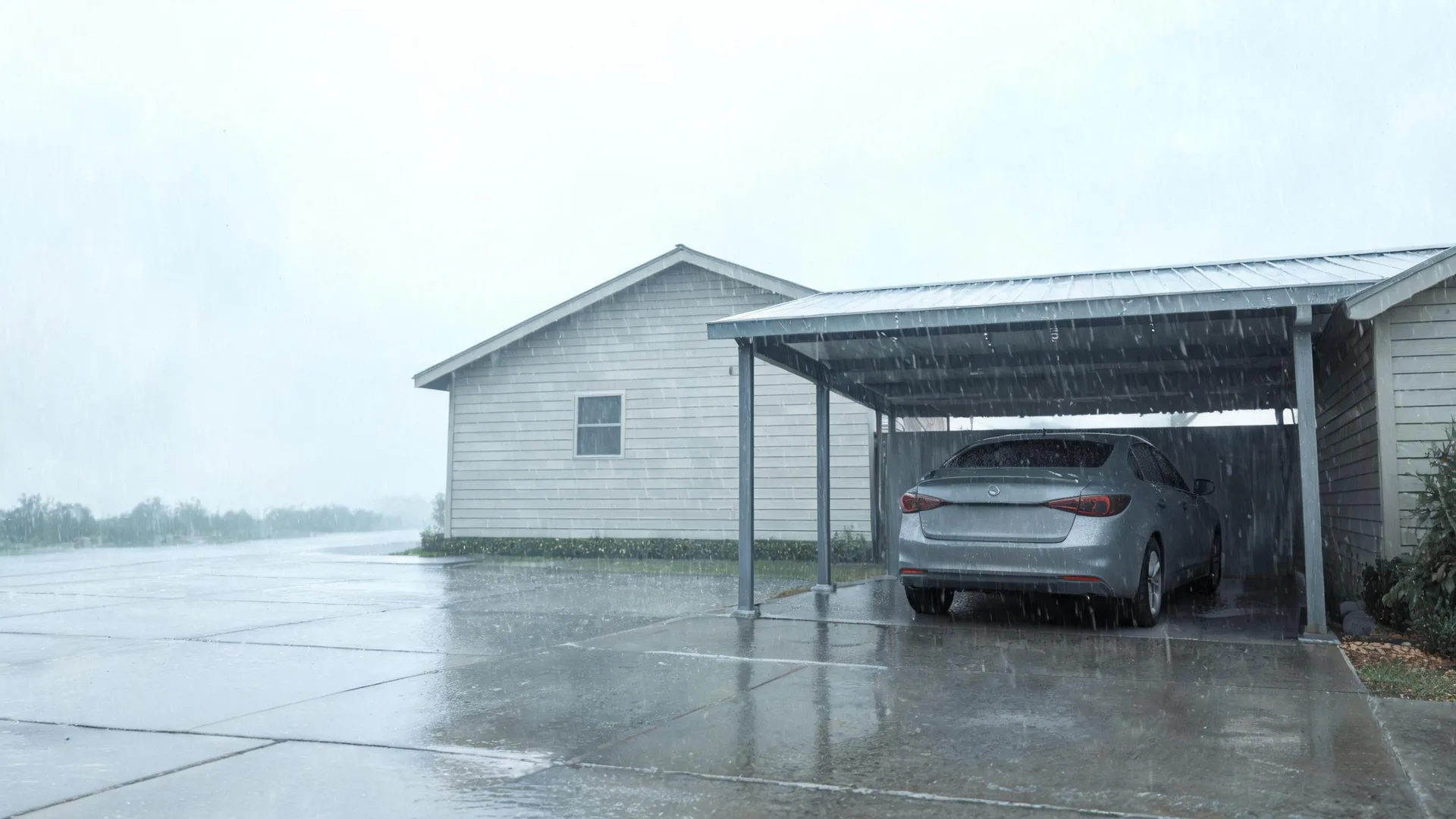
Insurance works differently for owning versus renting
When you own a car, your policy covers you every time you drive it, and your rate reflects your record, your car, and your state's rules. That cost is steady and predictable.
When you rent, you're choosing coverage at the counter or through your own policy and credit card, every single time. Your personal auto policy may extend to a rental car, but whether it does, and how much it covers, depends on your insurer and the policy you have. Credit card rental coverage has its own rules too, and they vary by card.
If you're weighing a switch to renting, call your insurer before you give up your policy and ask directly whether and how it covers you in a rental car. Don't assume the answer. If it turns out your policy covers rentals well, that changes the cost comparison in your favor.
Questions people ask about this
Does my auto insurance still cover me if I only drive occasionally?
Most policies don't require a minimum amount of driving, but your insurer sets your rate partly based on expected mileage. If you're driving much less than before, ask your insurer whether you qualify for a lower-mileage rate. Don't assume it happens automatically.
Is it cheaper to drop to one car instead of giving up driving entirely?
Usually, yes, since you cut your fixed costs in half while keeping a car available for the days you need one. Compare what you'd save on insurance, registration, and maintenance for the second car against how often you'd actually need to rent or borrow one.
Will giving up my car hurt my insurance rate if I start driving again later?
It can, depending on the insurer, since a gap without a policy sometimes affects how you're rated when you return. If you think you might want a car again later, ask your insurer what happens to your rate and any discounts if you cancel now.
Does rental car insurance cost more for older drivers?
Rental companies and their insurance add-ons generally price by the car and the coverage chosen, not by the renter's age, though some rental companies do have their own age-related rules or fees. Ask the rental company directly about any age-based charges before you book.
What happens to my car insurance discounts if I stop owning a car?
Discounts tied to your vehicle or your driving history, like a safe driver discount, may not transfer if you no longer have a policy in your name. If you still want some coverage, like liability protection when driving a rental or someone else's car, ask your insurer about a non-owner policy.
See what keeping your car insured would actually cost you this year.
Pull your last twelve months of car costs together: your insurance premium, any repairs or maintenance, registration fees, and roughly how many days you actually drove. Call your insurer and ask two things directly. Whether you qualify for a lower-mileage rate, and whether your policy would cover you in a rental car if you gave up your own. Then price out a few rental days for a typical month to see what that side of the comparison looks like. Only after you have both numbers in front of you does the decision become clear rather than a guess.</br>