Low Mileage Car Insurance for Seniors in Alabama
Driving less can lower your premium in Alabama, but you have to tell your insurer and show them the miles.
Yes, low mileage can lower your premium
Insurers in Alabama price part of your premium on how much you drive, because fewer miles on the road means fewer chances of a claim. If you've cut back on driving since retiring, or since a parent stopped commuting, that change can work in your favor.
But it doesn't happen on its own. Your insurer sets your current rate based on the mileage estimate on file, often from years ago. If that number is too high, you're paying for miles you don't drive. You have to call and update it, or ask if they offer a program that tracks mileage directly.
How your insurer finds out you drive less
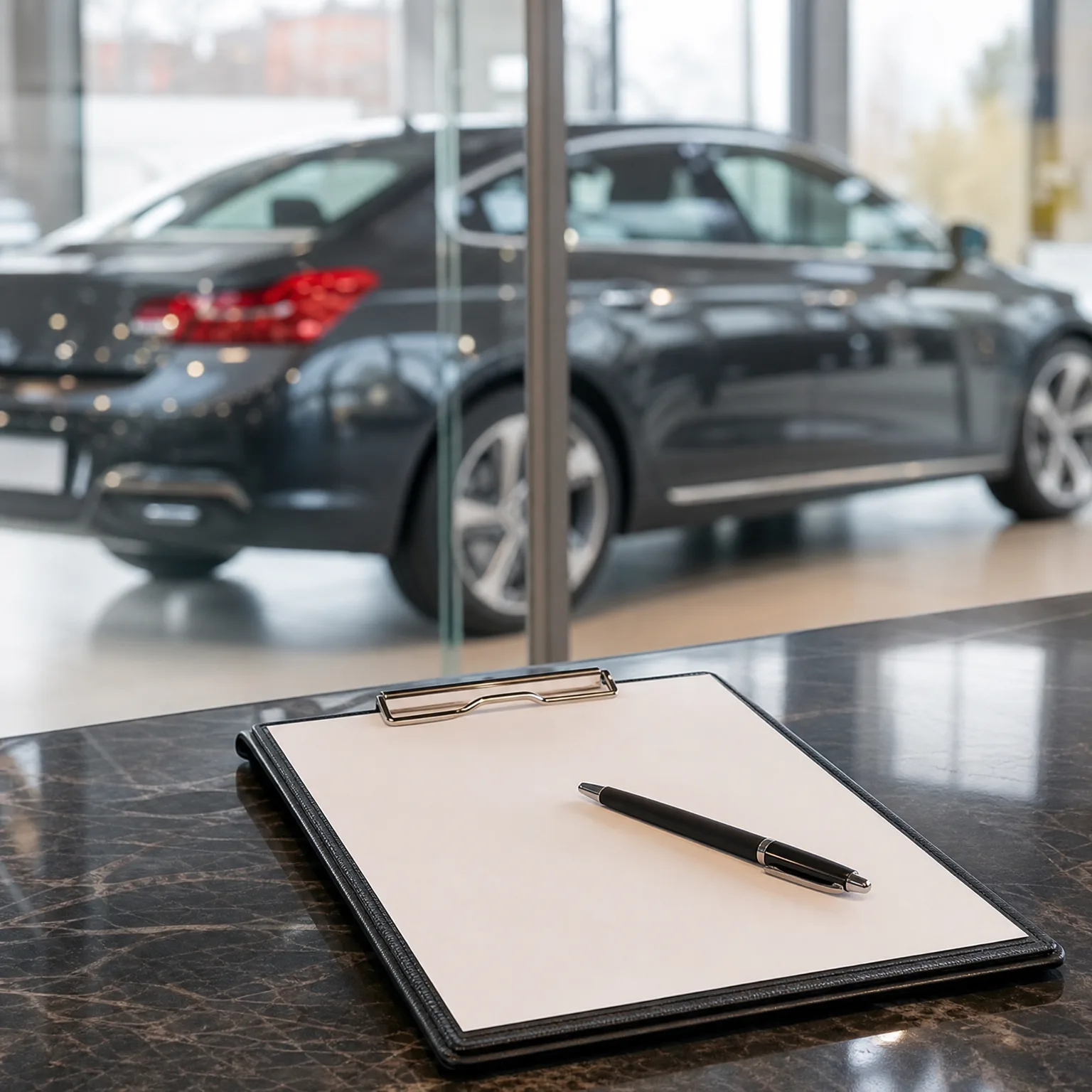
Most Alabama insurers ask for an estimated annual mileage when you set up or renew a policy. That number came from somewhere, maybe a guess you made years ago, maybe an average for someone your age. It doesn't update itself.
If your driving has dropped, because you retired, moved closer to family, or just don't take the long trips anymore, say so. Ask your insurer how they want you to report it. Some will take your word for it. Others may ask for an odometer reading at renewal or a photo of your dashboard.
A few insurers offer a program where a small device or app tracks your actual mileage and adjusts your rate accordingly. Ask if that's available and whether it fits how you drive now.
If you share the car with a spouse or don't drive it every day, mention that too. The number that matters is what you actually put on the odometer in a year, not what the car is capable of.
What else your insurer weighs alongside mileage
Low mileage helps, but it's one factor among several for drivers your age. Your driving record still matters, and a clean one for several years carries weight on its own.
The car itself matters too. An older, fully paid-off car usually costs less to insure regardless of mileage, since there's less value at stake if it's totaled.
Some Alabama insurers also offer a discount for completing a defensive driving or mature driver course. That's separate from the mileage discount, but you can often ask about both in the same call.
If you've reduced your coverage limits or dropped collision on an older car, your mileage discount will show up as a smaller dollar amount than it would on a newer, more heavily insured one. That's normal and worth understanding before you compare quotes.
Questions people ask about this
What counts as low mileage for insurance purposes?
There's no single number that applies everywhere. Each insurer sets its own threshold for what counts as low mileage, so ask yours directly what range qualifies for a discount.
Do I need to prove my mileage to get the discount?
Often yes, in some form. That might mean an odometer reading at renewal, a photo, or a mileage-tracking app or device your insurer provides. Ask how they verify it before you assume the discount is automatic.
Will my rate go back up if I start driving more?
It can, if your actual mileage ends up higher than what you reported. Let your insurer know if your driving habits change again, rather than waiting for them to find out at renewal.
Can I get a low mileage discount if I still drive to work part time?
It depends on how few miles that adds up to over the year, not whether you still work. Give your insurer your honest annual estimate including commuting and let them tell you if it qualifies.
Does switching to a low mileage policy affect my coverage?
Not on its own. A mileage discount changes the price, not what the policy covers. Confirm your coverage details stay the same when the discount is applied.
See what Alabama insurers would charge once your real mileage is on file.
Before you renew, write down your actual annual mileage using your current odometer reading and your reading from a year ago. Call your insurer and ask them to update the estimate on file, and ask whether they offer a mileage tracking program or a mature driver discount you haven't claimed. Have your driving record and the car's details handy in case they ask. Once you know what your current insurer would charge with the correct mileage, compare that number against quotes from other companies to see where you actually stand.