Occasional Driver Car Insurance for Seniors in New Hampshire
A senior who drives rarely can often get a lower rate in New Hampshire, but the insurer has to agree the car is driven occasionally, not just that the driver wishes it were.
Yes, if your insurer classifies you that way
New Hampshire doesn't require car insurance by law, but almost every lender and most drivers carry it anyway, and insurers there are free to offer lower rates to someone who drives less. If you've cut back on driving, whether because you retired, moved somewhere walkable, or just don't go far anymore, that's worth telling your insurer directly.
What it depends on is how your insurer defines an occasional driver and what proof they want. Some will ask for an estimated annual mileage and adjust your premium based on that number. Others have a separate low-mileage or pleasure-use category with its own rules. You won't know which applies to you until you ask your own insurer or agent.
How your insurer verifies low mileage matters most
Telling an insurer you drive less doesn't change your premium by itself. Most companies want some way to confirm it, whether that's an odometer reading at renewal, a mileage estimate you provide upfront, or a telematics device that tracks actual trips.
If your insurer uses odometer checks, ask when they happen and what counts as low enough mileage to qualify. If they rely on your own estimate, be honest and specific rather than rounding down, because a mismatch discovered later can cause more trouble than the discount was worth.
Some insurers in New Hampshire also distinguish between a car that's rarely driven and a car that's driven only for specific purposes, like errands or doctor visits. That distinction can matter for how they classify you, so ask directly how your mileage or usage pattern is reviewed and how often it's reconsidered.
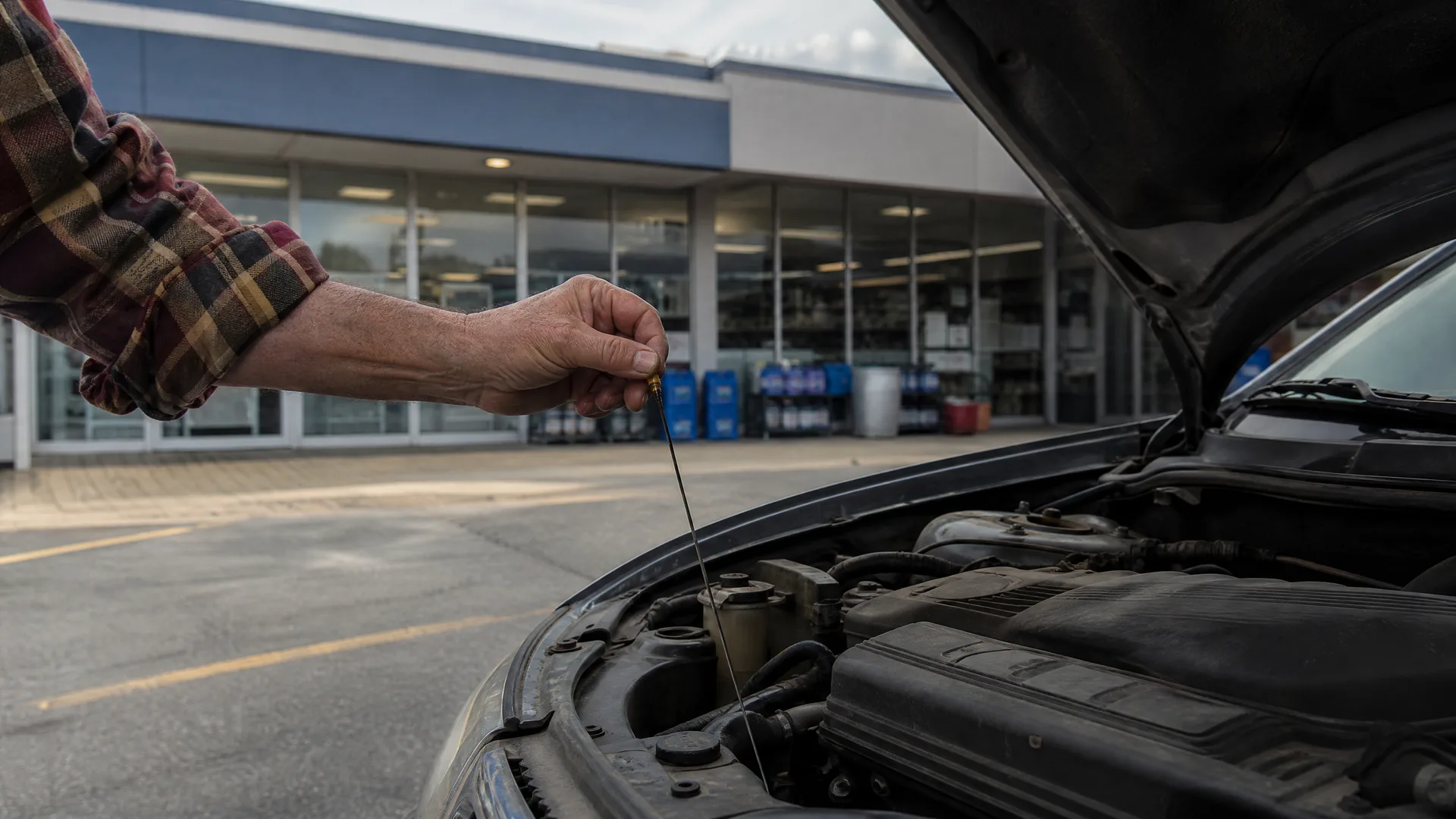
How the car is registered and who else drives it changes things
An occasional driver discount usually assumes the car is primarily associated with one household and one main driver. If another family member uses the same car regularly, even occasionally, that can affect how the insurer rates it.
If you own the car outright and it sits unused for long stretches, ask your insurer whether a reduced-use or storage policy makes more sense than standard coverage. These are handled differently by different insurers, so the terms and what they require from you will vary.
If the car is still registered the same way it was when you drove it daily, that registration status alone won't lower your premium. The insurer needs to know your actual driving pattern has changed, and that only happens if you tell them.
Questions people ask about this
Does New Hampshire have a senior discount for car insurance?
Any senior discount comes from the insurer, not the state, since New Hampshire doesn't mandate one. Ask your own insurer whether they offer a discount tied to age, driving record, or a completed defensive driving course, since each insurer sets its own criteria.
Will my premium go up automatically once I turn a certain age?
Not automatically, but insurers can factor age into how they assess risk over time. If your premium rises at renewal, ask your insurer what changed, since it could be age-related rating, a change in your driving record, or something else entirely.
Can I stay insured if I stop driving completely?
You can, and many people do to avoid a lapse in coverage history. Ask your insurer about a non-owner policy or a reduced-use policy if the car still exists but isn't being driven, since a lapse can make it harder to get good rates again later.
Do I need to notify the DMV if I drive less often?
Driving frequency isn't something the New Hampshire DMV tracks, so there's no notification requirement there. Your insurer is the one who needs to know, since that's what affects your premium.
What happens if I underestimate my mileage to get a lower rate?
If your insurer later finds your actual mileage was higher than what you reported, they may adjust your premium or your coverage terms. Ask your insurer upfront how they handle a mismatch so you understand the risk before you estimate low.
See what other insurers would charge someone who drives as little as you do.
Call your current insurer this week and ask directly whether they offer a lower rate for occasional or low-mileage drivers, and what proof they need. Have a rough estimate of your annual mileage ready, along with your renewal notice if you have one. Ask how often that mileage gets reviewed and what happens if your driving changes again. While you're at it, ask about any course-based or age-based discounts they offer, since those are separate from mileage. Once you know what your current insurer can offer, compare it against quotes from a few others to see whether switching would actually save you money for the way you drive now.