Occasional Driver Car Insurance for Seniors in New Jersey
New Jersey insurers will cover you as an occasional driver, but the car still needs a policy and someone has to be listed as its primary driver.
Yes, but the car needs its own policy first
In New Jersey, a car can't go uninsured just because the person who drives it most isn't the owner, or drives it rarely. If you're an occasional driver, meaning you drive a car that isn't really yours, like a child's or a friend's, that car still needs a policy with a primary driver listed on it. You'd be added to that policy as a secondary or occasional driver.
If the car is yours and you just don't drive it much anymore, that's a different situation. You're the primary driver no matter how little you drive, and what you're really looking for is a low mileage discount or a usage based policy, not occasional driver status.
Whose car it is changes what you're asking for
If you're being added to someone else's policy, like a son's or daughter's car you drive sometimes, the insurer will ask how often you drive it and why. Some insurers price occasional drivers lower than full time ones. Others charge close to the same, reasoning that anyone with regular access to the car is a real risk on it. This varies by insurer, so it's worth asking directly how they'd treat you before assuming a discount applies.
If it's your own car and you're the one cutting back on driving, tell your insurer that directly. Ask whether they offer a low mileage discount and what proof they need, like an odometer reading at renewal. This is a separate conversation from occasional driver status, and asking for the wrong one can mean missing a discount you actually qualify for.
Either way, the car's primary driver still needs their own coverage in place. An occasional driver addition doesn't replace that.
Your driving record still matters more than your age
Being added as an occasional driver doesn't mean your history disappears from the equation. The insurer will usually still ask about your license status, your driving record, and whether you've had a lapse in coverage. A long clean record can work in your favor here, regardless of age.
If you've had a vision test requirement or any recent restriction placed on your license by the New Jersey MVC, mention it when you're added to the policy. Insurers find out eventually, and it's better they hear it from you as part of an honest application than discover it later.
If you're helping a parent through this, the same rule applies to you. Being the one who drives them around occasionally doesn't exempt your own driving record from the conversation.
Questions people ask about this
Does being an occasional driver lower my car insurance rate?
It depends on the insurer. Some price occasional drivers lower than primary drivers on the same policy, others don't distinguish much at all. Ask the specific insurer how they handle it rather than assuming either way.
Can I be on my child's car insurance without owning the car?
Yes, this is a common reason people are added as an occasional driver. You don't need to own or co-own the car to be listed as a driver on its policy.
What happens if I drive a car that isn't on any insurance policy?
Driving an uninsured car in New Jersey can create real problems for both the driver and the owner if there's an accident or a stop. The car needs a policy before anyone drives it, occasionally or otherwise.
Do I need to tell my insurer if I stopped driving as much?
It's worth telling them, since some insurers offer a lower rate for reduced mileage. Ask what proof they require and whether this applies to your policy before assuming you already have it.
Will my insurer find out if I didn't list myself as an occasional driver?
It's possible, especially if there's a claim and the insurer reviews who was driving. Leaving a regular driver off a policy can affect whether a claim is paid, so it's safer to list anyone who drives the car with any regularity.
See how insurers in New Jersey price occasional and primary drivers differently before you decide who to add to which policy.
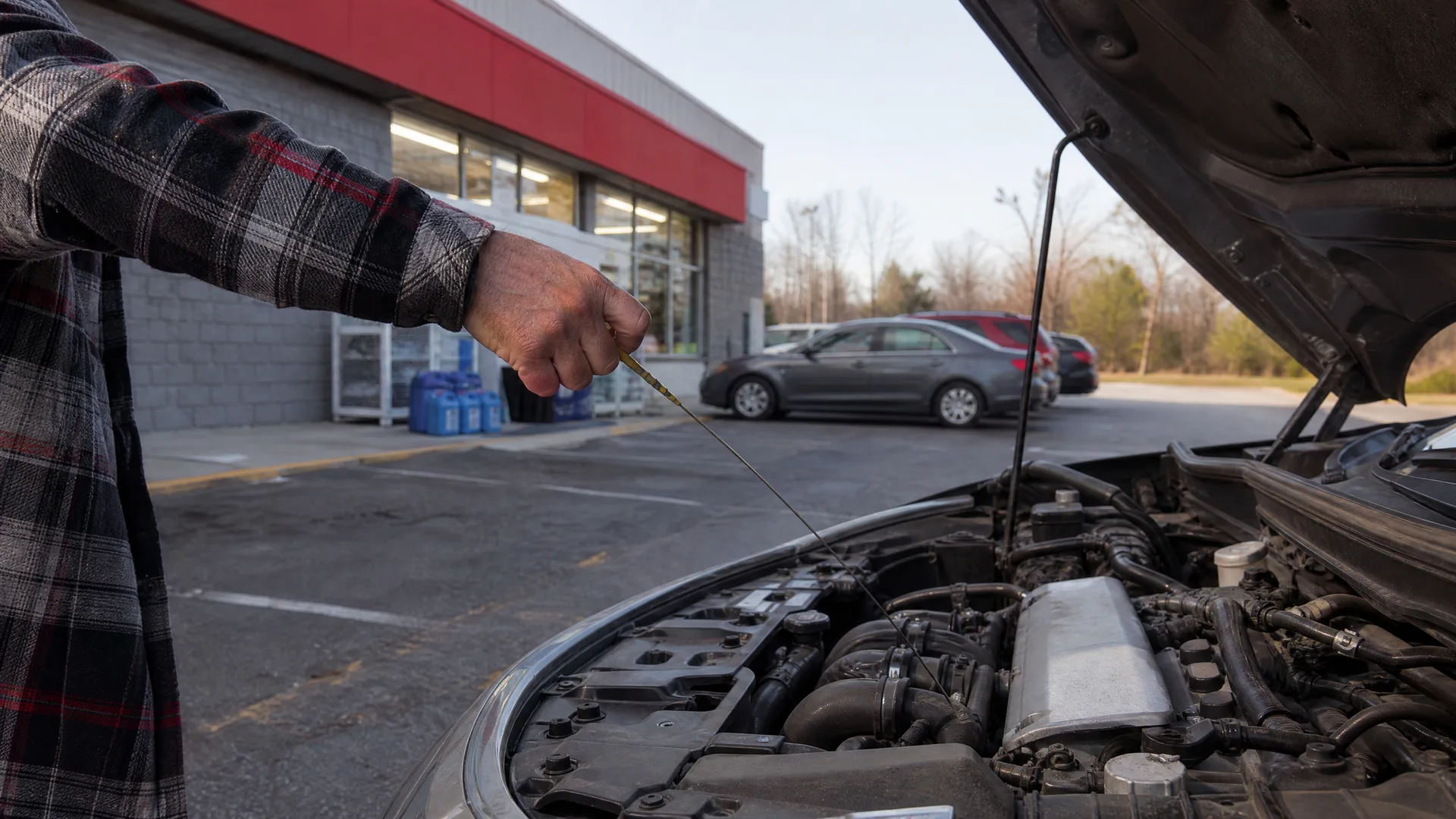
Figure out first whether you're being added to someone else's policy or asking about your own car. If it's someone else's car, call their insurer and ask specifically how they classify and price occasional drivers. If it's your own car and you're just driving less, ask your insurer about a low mileage discount and what proof they need, such as an odometer photo or reading at renewal. Have your license and driving record details on hand either way. If your license has any recent restriction from the MVC, mention it up front rather than waiting for it to surface later.