Occasional Driver Car Insurance for Seniors in Ohio
Ohio insurers can rate you as an occasional driver, but the savings and the rules for proving it vary by company.
Yes, but the insurer decides what counts as occasional
Ohio doesn't have a state rule that defines an occasional driver or guarantees a discount for being one. Instead, each insurer sets its own threshold for low mileage and decides how much that lowers your premium.
For a senior driver who still owns a car but drives less than before, this usually means asking your current insurer directly whether they offer a reduced rate for low annual mileage, and what proof they want. Some will ask for an odometer reading, others rely on your estimate when you renew.
How much you actually drive changes everything
Insurers price occasional driving by annual mileage, not by age or by how you describe your habits. A driver who used to commute daily and now only drives to appointments and errands may qualify for a lower tier, but only if the insurer has a mileage band that fits.
If you're not sure how much you drive in a year, check your last few oil change receipts or inspection records. They usually show the odometer reading and the date, which gives you a real number instead of a guess.
Some insurers want you to estimate mileage at the start of the policy and true it up later. Others ask for a device or an app that tracks miles directly. Ask which method your insurer uses before you assume a lower mileage means a lower bill.
If your driving has dropped because of a medical condition or vision change, that's worth mentioning separately. It can affect how the insurer views your risk, apart from the mileage question.

How your insurer verifies occasional use
The discount or rate adjustment only holds if the insurer can confirm the lower mileage. Some companies take your word at renewal. Others ask for documentation, like a service record or a telematics reading.
If you share a household with another driver who uses the car more, make sure the policy reflects who the primary driver actually is. Listing yourself as occasional when someone else drives the car daily can cause problems if you ever file a claim.
Ask your insurer what happens if your mileage goes over what you estimated. Some adjust the premium at renewal without penalty. Others may charge a difference retroactively, so it helps to know the answer before it happens rather than after.
If you stop driving a car altogether but keep it registered and insured, that's a different category from occasional driving, and it may lower your cost further. Ask your insurer directly which applies to your situation.
Questions people ask about this
Does Ohio require insurance on a car that's rarely driven?
Yes, if the car is registered and kept on the road, Ohio requires it to carry insurance regardless of how often it's driven. The only way to avoid this is to formally take the car off the road and surrender the plates, which you'd confirm with the Ohio BMV.
Can I remove myself as a driver on a car I no longer drive?
You can ask your insurer to exclude you as a driver, but this depends on their policy and on who else is listed on the car. An excluded driver typically has no coverage at all if they do drive the car, so ask your insurer what that would mean before agreeing to it.
Will my rate go up if I stop driving and then start again later?
It depends on the insurer and how long the gap was. Some companies simply update your mileage estimate at renewal, while others may ask questions if your driving pattern changes significantly. Call your insurer directly if you're planning a long pause.
Should I switch insurers if mine doesn't offer an occasional driver rate?
That depends on how much difference it would make and what else you'd give up by switching. Before changing insurers, ask your current one directly whether they have any lower mileage tier, since some don't advertise it but will apply it if you ask.
Does a senior driving course lower my rate if I'm already an occasional driver?
It can, but the two are handled separately by most insurers. Taking a course doesn't change your mileage category, so you'd want to ask your insurer whether both apply to your policy and whether you need to send them a certificate to get the course discount applied.
Compare quotes to see which insurers price occasional driving the way your situation actually looks.
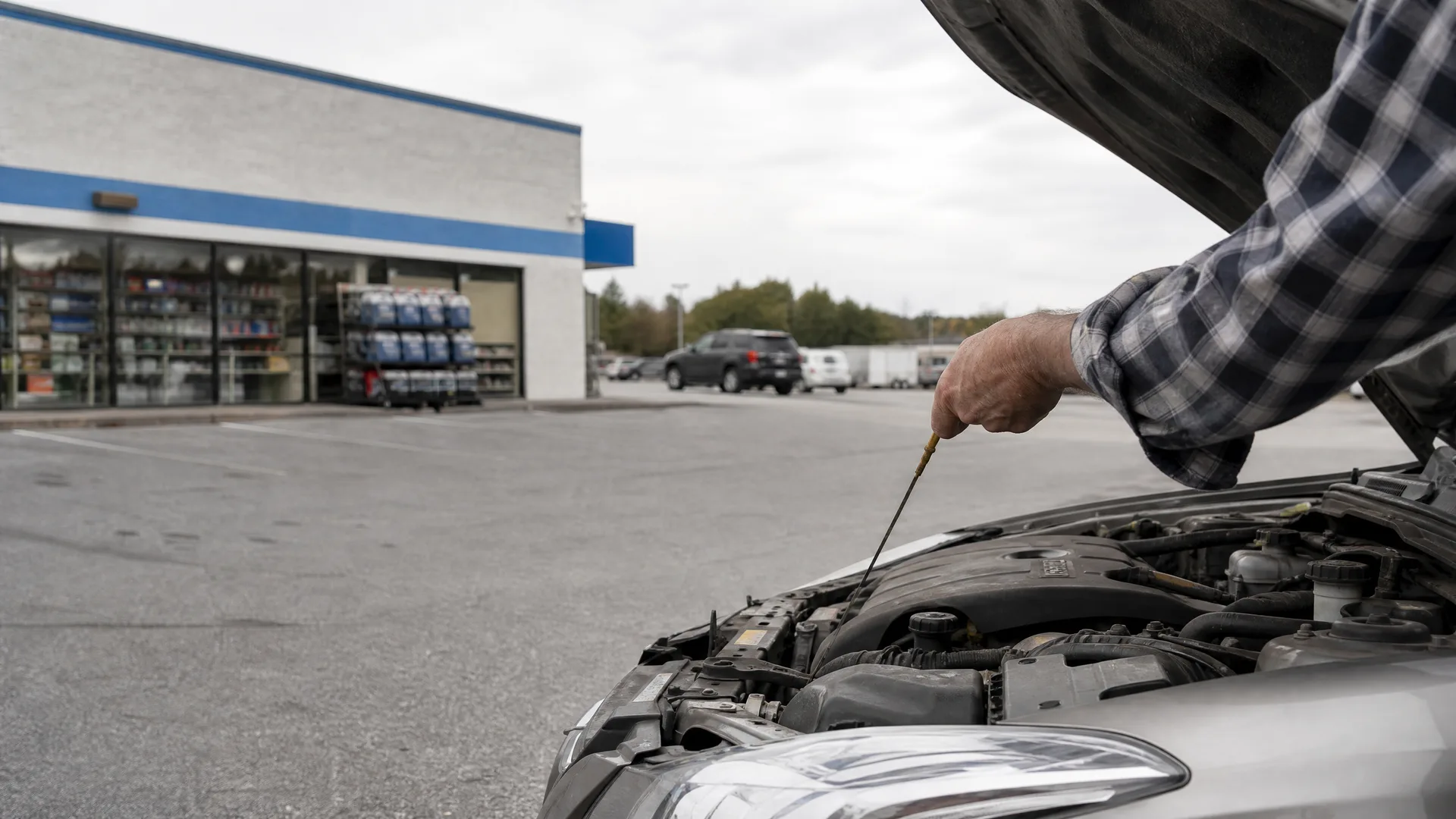
Pull together a mileage estimate using your last oil change or inspection receipt, then call your current insurer and ask directly whether they offer a lower rate for occasional or low mileage drivers. Ask what proof they need and whether your rate could change if your mileage goes over the estimate. If they don't offer anything for your situation, use that answer when you compare quotes from other companies, since not all insurers handle this the same way. Keep the mileage records on hand in case a new insurer asks for them too.