Occasional Driver Car Insurance for Seniors in Wisconsin
Seniors in Wisconsin who drive less than a regular daily driver can often get a lower rate, but you have to ask your insurer to classify you that way.
Occasional driver status can lower your premium
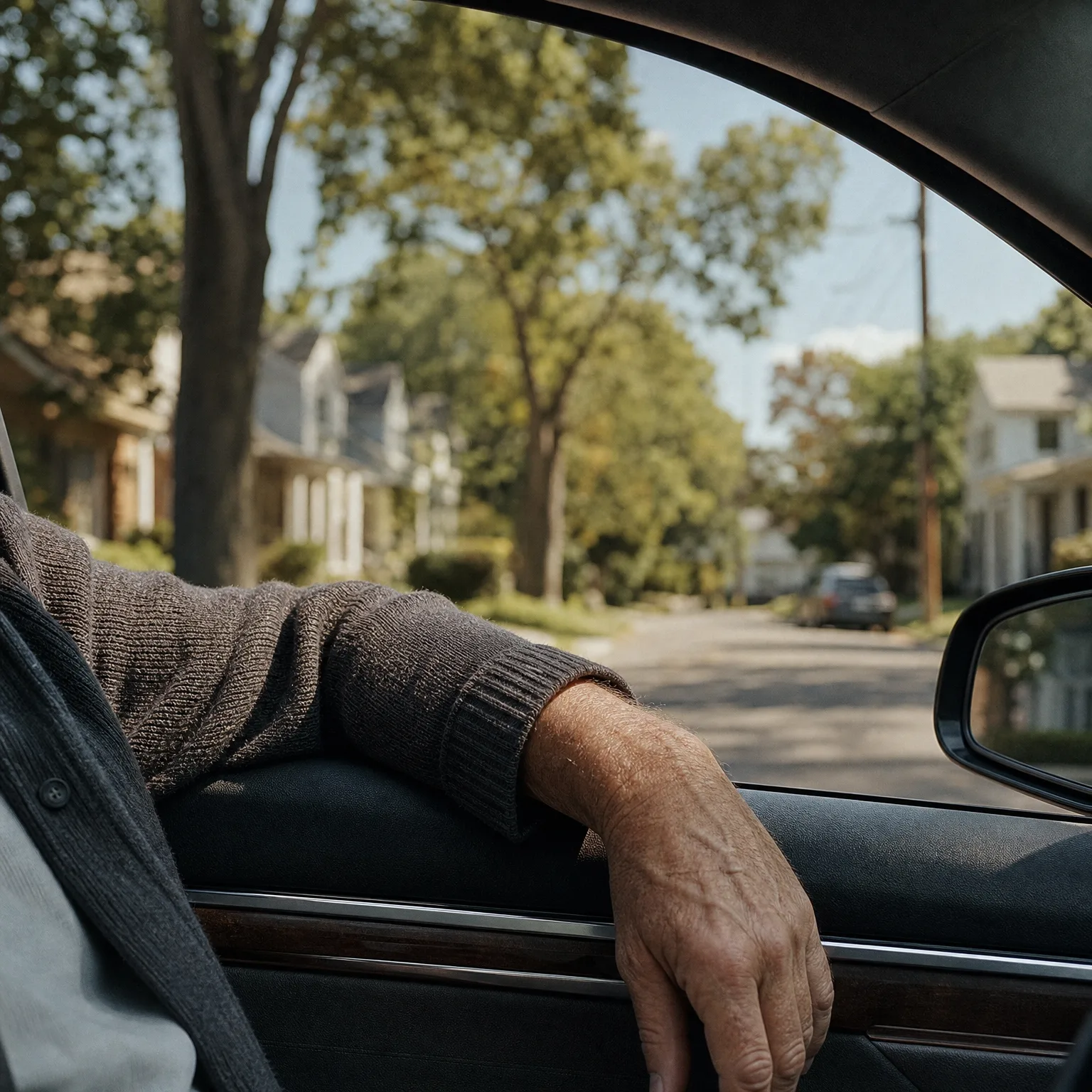
If you drive less than you used to, telling your insurer can reduce what you pay. Insurers in Wisconsin price a policy partly on how much a car is driven each year, and a retired driver who no longer commutes often qualifies for a lower mileage bracket.
This isn't automatic. Your insurer sets your current rate based on the mileage estimate on file, which may be old. You have to call and update it, and some insurers ask for an odometer reading or an estimate of your annual mileage to confirm it.
Your insurer decides how occasional driving is defined
There's no single statewide definition of an occasional driver in Wisconsin. Each insurer sets its own mileage bands and its own discount for falling into the lowest one, so the same driving habits can mean a different rate from one company to the next.
Some insurers also offer a usage-based program instead of or alongside the mileage discount, where a plug-in device or app tracks your actual driving. For someone who drives rarely, this can save more than the standard low-mileage rate, but it depends on the insurer offering it and on you being comfortable with the tracking.
Ask your agent directly what mileage bracket you're in and what the next lower bracket would save. If you don't ask, your policy likely still reflects an old estimate from when you were driving more.
How you're listed on the policy matters as much as mileage
If you're retired and now drive a second car in the household less often than your spouse or another driver, make sure the insurer has the right person listed as the primary driver of each vehicle. Putting the lower-mileage driver on the car they actually use most can lower that car's premium separately from any occasional driver discount.
If you've stopped driving a car altogether but keep it insured, ask your insurer about a policy specifically for a stored or rarely driven vehicle. That's a different arrangement than an occasional driver discount and usually costs less.
A letter from the DMV or a change in your license status doesn't automatically update your insurance. If anything about how or how much you drive has changed, you need to tell your insurer yourself.
Questions people ask about this
Does a senior driving course lower my occasional driver rate in Wisconsin too?
It can, but it's a separate discount from the occasional driver one. Your insurer applies each independently, and you typically need to send them the completion certificate yourself for the course discount to show up.
Will my occasional driver discount disappear if I drive more some months?
It depends on your insurer's rules. Some review your mileage at renewal and adjust the bracket then, others may ask you to report significant changes sooner. Ask your agent how often your mileage estimate gets reviewed.
Can I get an occasional driver discount if I still drive every day but just locally?
No, the discount is based on how much you drive, not how far from home. Short daily trips can add up to the same annual mileage as longer, less frequent ones, so ask your insurer how they calculate your estimate.
Do I need to remove my car from my policy if I stop driving it?
Not necessarily, but you should tell your insurer rather than leave the policy unchanged. Depending on the insurer, you may be able to switch to a storage-only or reduced-coverage policy instead of canceling altogether.
How does my insurer verify my mileage for the occasional driver discount?
Methods vary by insurer. Some ask for a self-reported estimate, some request an odometer photo or reading, and some use a telematics device or app. Ask your agent which method your company uses before you report a number.
See what occasional driver status could mean for your own rate before your next renewal.
Call your current insurer this week and ask them to review your mileage estimate and confirm whether you qualify for a lower bracket or an occasional driver discount. Have your most recent renewal notice and a rough estimate of your annual mileage ready, along with an odometer reading if you can get one. Ask specifically what the next lower mileage bracket would save and whether a usage-based program is available instead. If you have a car you rarely or never drive, ask about a reduced-use or storage policy for that vehicle. While you're at it, get a couple of comparison quotes so you know whether another insurer would classify your driving differently and price it lower.