Occasional Driver Insurance for Seniors in North Carolina
An occasional driver policy can work for a senior in North Carolina, but the savings depend on how the car is used and how the insurer defines occasional.
Yes, if the car sits more than it moves
North Carolina insurers will write a policy around a driver who uses a car only sometimes, and age by itself doesn't stop that. What matters is the pattern: low annual mileage, a second car in the household that gets driven more, or a driver who gave up a daily commute.
The insurer decides what counts as occasional, and that line isn't the same company to company. Some ask for a mileage estimate, some ask how the car is stored, some ask who else in the house drives it. The only way to know what your insurer needs is to ask them directly before you assume a discount applies.

How your insurer classifies you matters more than your age
An insurer looks at how a car is used, not just who's listed on the policy. If you're driving less than you used to, that's the fact that changes your rate, not the number of your birthday.
Some companies have a named driver with a specific low-mileage or occasional-use designation. Others fold it into a standard discount for annual mileage. A few don't distinguish at all and price the policy the same whether you drive every day or twice a month.
Ask your insurer what they call it and what they need from you to apply it. If they ask for an odometer reading at renewal, or a mileage estimate up front, write it down and keep it somewhere you'll find it again next year.
If your current insurer doesn't offer this kind of adjustment, that's worth knowing before you renew, not after you've already paid the higher rate for another year.
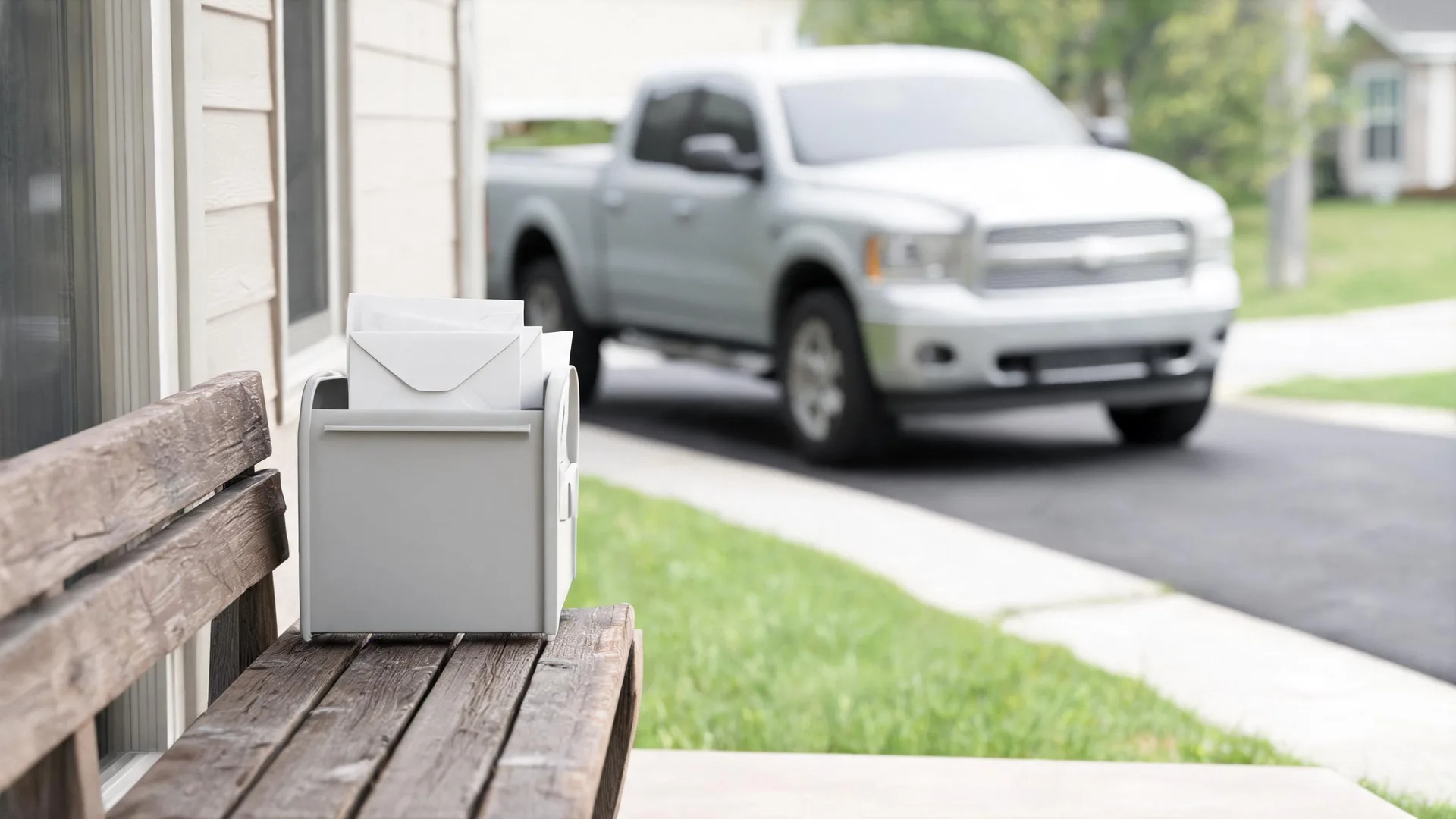
What you report has to match how the car is actually driven
An occasional driver classification is based on what you tell the insurer, and they can ask for proof or adjust the rate later if the actual use doesn't match what was reported.
If you said the car would be driven only on weekends but it ends up back on daily errands, say so at renewal rather than letting the mismatch sit. Insurers generally use mileage estimates, not exact tracking, so being honestly close is what protects you, not being exact.
If someone else in the house, a spouse or an adult child, ends up driving the car more than expected, that affects the classification too. The policy should reflect who is actually behind the wheel most often, not just who the car is registered to.
A sudden drop in mileage, from giving up a commute or driving less after a health change, is worth reporting right away rather than waiting for the renewal date. Some insurers will adjust mid-term if you ask.
Questions people ask about this
Does North Carolina require extra tests or renewals for older drivers that affect this?
North Carolina sets its own license renewal rules for older drivers, separate from how an insurer classifies you as an occasional driver. Check with the North Carolina DMV directly for license renewal requirements, since those don't determine your insurance rate but can affect your ability to drive at all, which insurers do care about.
Will my rate go up if I stop driving the car and let someone else use it instead?
It can, because the rate is tied to who drives the car and how often, not just whose name is on the policy. If another household member becomes the primary driver, tell your insurer so the policy reflects that. Leaving it unreported can create problems if there's ever a claim.
Can I remove myself from a shared car policy and just be a listed occasional driver instead?
That depends on how your insurer structures its policies, since some separate primary and occasional drivers clearly and others don't. Ask your insurer whether removing yourself as a primary driver while staying listed changes the premium, and whether it affects your own driving record history if you ever need a policy of your own again.
Does low mileage from an occasional driver policy also qualify me for a safe driver or defensive driving discount?
not used
Is it cheaper to insure a second car as occasional use or to drop it to liability only?
This depends on the car's value and your insurer's pricing, so there's no single answer that holds for every situation. Ask your insurer to quote both options side by side, occasional use with full coverage against liability only, so you can compare the actual numbers for your car rather than guessing which saves more.
See what a few insurers would actually charge for how this car gets driven now.
Call your current insurer this week and ask exactly how they define an occasional or low-mileage driver, and what proof they want from you. Have a rough estimate of annual mileage ready, along with who else in the house drives the car and how often. If your insurer doesn't offer an adjustment that fits your situation, that's worth knowing before your renewal date, not after. Ask the same questions of a couple of other companies so you can compare how each one treats the same facts about your driving.