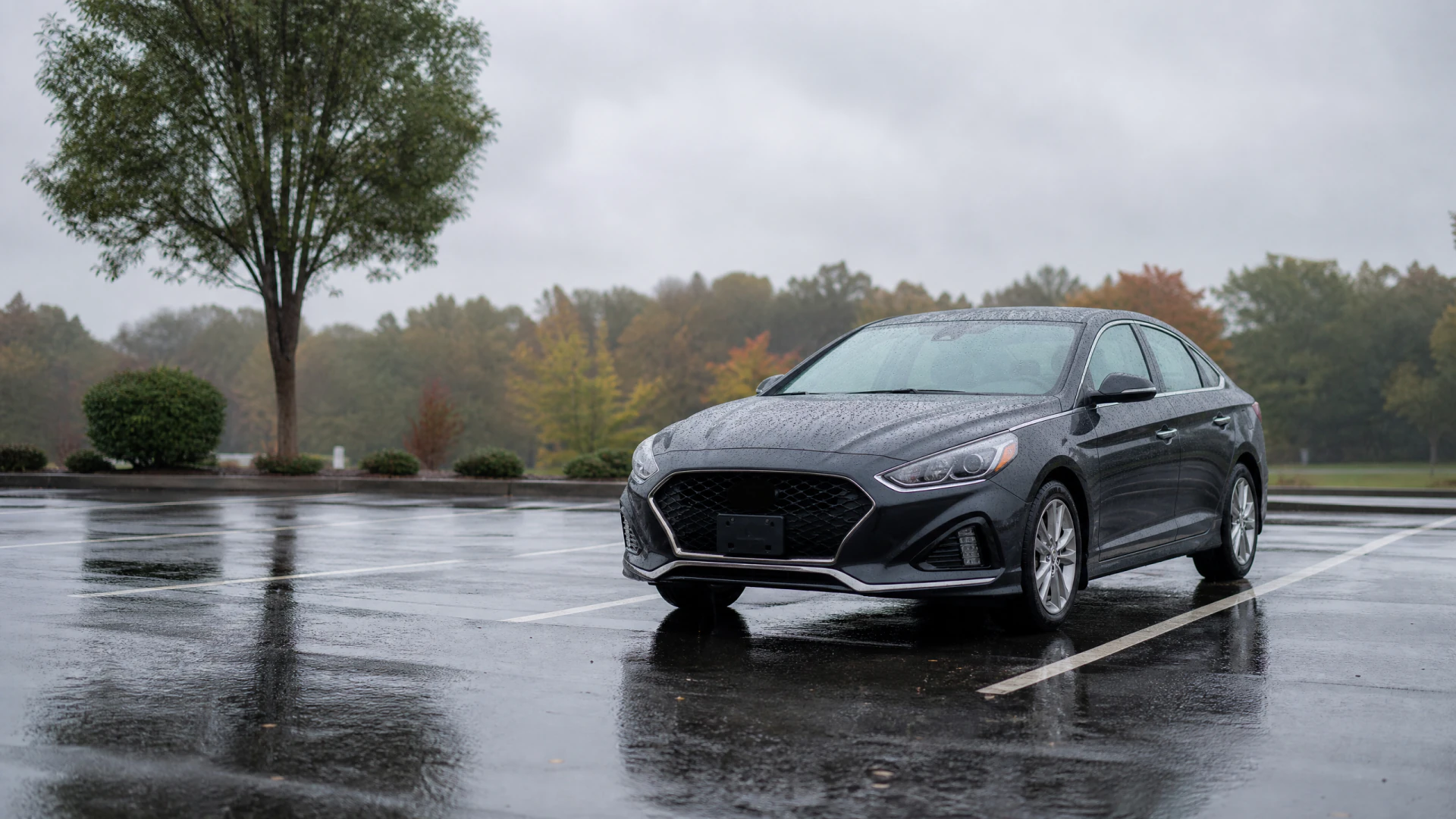
Pay Per Mile Car Insurance for Seniors in Indiana
It exists in Indiana and it can work well for a senior who drives less than before, but not every insurer offers it and not every driver comes out ahead.
Yes, if you drive few enough miles to make it worth switching
Pay per mile insurance is sold in Indiana, though only by a handful of insurers rather than every company you'd find in a normal quote search. The idea is simple. Instead of a flat premium built on an estimate of how much you drive, your premium is tied to the miles you actually log, usually tracked through a plugged in device or an app.
For a senior driver this tends to work out well when driving has genuinely dropped off, whether that's because of retirement, giving up a commute, or just running fewer errands than a few years ago. It works out poorly for someone who still drives a normal amount but assumes the word "senior" alone earns them a lower rate. The program prices the miles, not the age.

How many miles you actually drive decides whether this saves you anything
Every pay per mile program has a base rate plus a per mile charge, and the math only favors you below a certain number of miles a year. If you can't say with some confidence how many miles you drove last year, that's the first thing to find out before you request a quote.
A good way to check is your last few oil change receipts or inspection records, since most shops write down the odometer reading. Subtract the earlier number from the more recent one and you have a real figure instead of a guess.
If that number is low because you no longer commute, or because you've started relying on a spouse, a family member, or rides for longer trips, pay per mile is worth getting a quote on. If the number is still close to what it's always been, a standard policy with a low mileage discount might serve you just as well without the tracking device.
Which insurers offer it in Indiana, and what the tracking actually involves
Not every insurer licensed in Indiana sells a pay per mile product, so this isn't something you'll find by walking into any local agent's office. You'll need to check directly with insurers that are known to offer usage based programs and confirm they write policies in Indiana, since availability by state does vary.
Most of these programs work through a small device plugged into your car or an app on your phone that records mileage and sometimes driving behavior like braking or time of day. If a parent or anyone else you're helping isn't comfortable with a tracking device, or doesn't carry a smartphone regularly, that's worth weighing honestly before signing up, since the discount depends on the data reaching the insurer.
Ask any insurer you're considering exactly what they track, whether it affects your rate beyond mileage, and what happens if the device loses connection or the app isn't updated. Those answers vary by company and are worth getting in writing or in an email rather than just over the phone.
Questions people ask about this
Does pay per mile insurance cost more if I drive to another state occasionally?
Your premium is based on miles driven, not where you drove them, so an occasional trip out of state shouldn't change how the mileage is counted. Confirm with the specific insurer, since some programs apply different rules to highway miles versus local ones.
Can I switch back to a regular policy if pay per mile doesn't work out?
Yes, you can generally switch insurers or policy types when your policy is up for renewal or even before, though an early cancellation may involve a fee depending on your current insurer's terms. Ask your current company directly what switching back would involve before you commit to a pay per mile plan.
Will a pay per mile policy affect my insurance if I stop driving completely?
If you stop driving altogether, a pay per mile policy usually ends up costing very little since the premium is built around actual mileage, but you'd still need to decide whether to keep any coverage active at all. Talk to your insurer about what minimum coverage, if any, is required to keep the policy in good standing.
Do pay per mile insurers offer the same senior discounts as regular insurers?
That depends entirely on the insurer, since some usage based companies layer on traditional discounts like a defensive driving course credit and others build everything into the per mile rate. Ask the specific company whether completing a driving course or other discounts apply on top of the mileage pricing.
Is pay per mile insurance harder to get with a medical condition that affects driving?
Pay per mile insurers evaluate your driving record and any state driving restrictions the same way other insurers do, so a medical condition itself isn't typically what the mileage tracking addresses. If your license carries restrictions, check with the insurer how those are factored into the policy, since this can vary by company.
If your driving has genuinely slowed down, it's worth seeing what a pay per mile quote looks like next to what you're paying now.

Pull your actual mileage from a recent oil change slip or inspection sticker so you have a real number, not a guess, before you request any quotes. Call or check online with insurers that offer pay per mile coverage to confirm they write policies in Indiana, since not all of them do. Ask each one directly what the device or app tracks, how it affects your rate, and what happens if it stops reporting. Compare that quote against your current policy's low mileage discount, if it has one, to see which actually costs less for the miles you drive now. If you're helping a parent through this, go through the tracking device question with them specifically, since comfort with the technology matters as much as the savings.