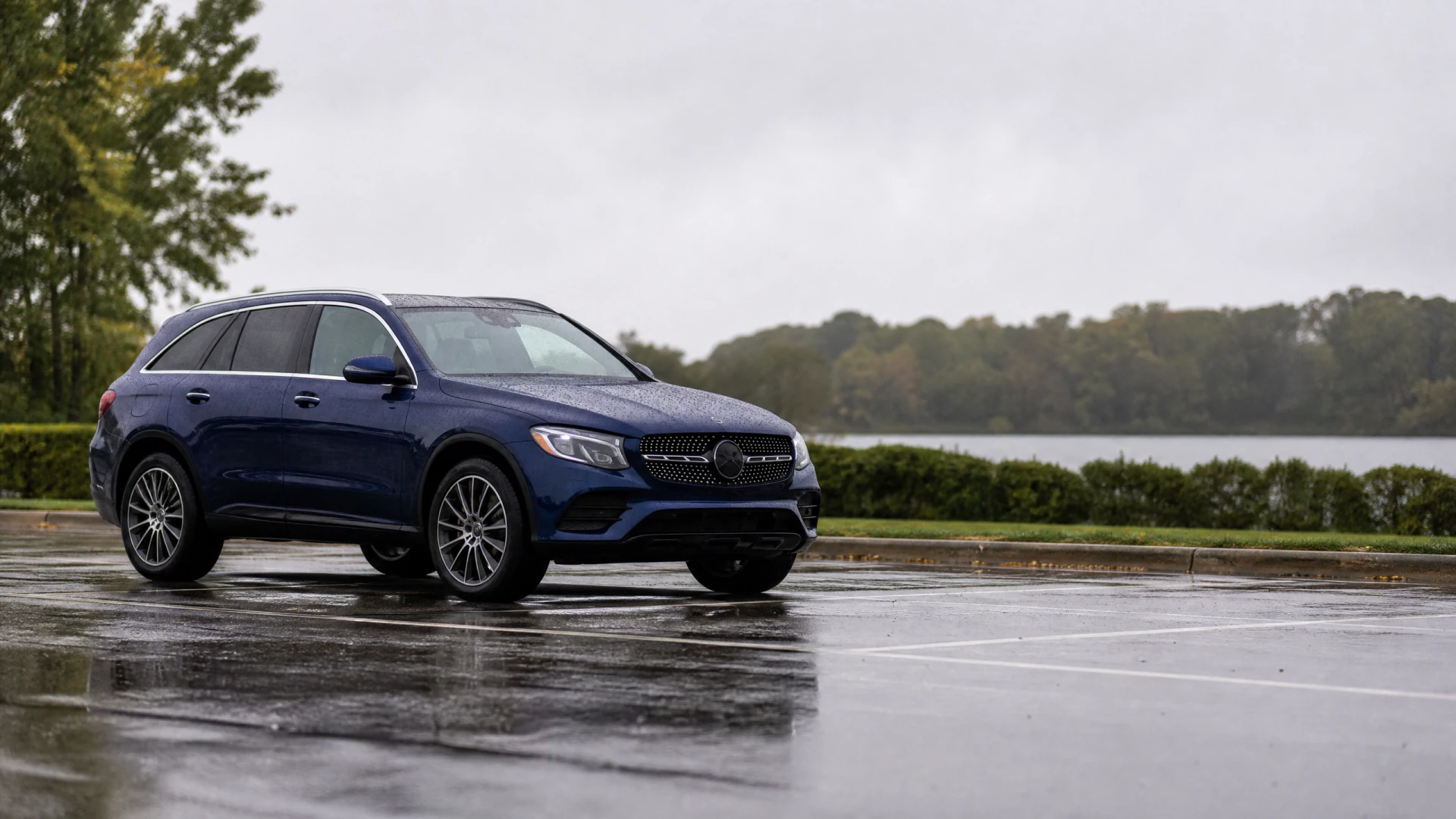
Pay Per Mile Car Insurance for Seniors in Missouri
Pay per mile insurance is sold in Missouri and it can cost less for a senior who drives under a certain amount each month, but the savings depend on how little you actually drive and which insurer you ask.
Yes, if your yearly mileage is low enough to matter
Pay per mile coverage charges you a base rate plus a cost for each mile you drive, tracked through a plugged-in device or an app on your phone. For a senior who has cut back on driving, maybe to errands, appointments, and visits nearby, that can add up to less than a standard policy charges for coverage you're not using by the mile.
Whether it actually saves you money depends on your yearly mileage, where in Missouri you drive, and which insurer you compare it against. A driver putting on very few miles a year is the clearest case for it. Someone still commuting or driving a grandchild around regularly may find a standard policy with a low-mileage discount costs about the same or less.
How many miles you actually drive decides this
The whole value of pay per mile insurance rests on your annual mileage being low. Missouri doesn't track this for you. You'll want to look at your last few odometer readings, from an inspection, an oil change receipt, or the DMV, and work out roughly how many miles you drive in a year.
If that number is low, pay per mile is worth getting a quote for. If it's closer to what a typical driver puts on their car, a standard policy is more likely to come out ahead, especially once you factor in any senior or low-mileage discount your current insurer already offers.
Some pay per mile plans cap how many miles count before you're charged a flat rate instead. If you take occasional long trips, out of state to see family, for instance, ask how the insurer handles those miles before you switch.
One more thing worth checking: your mileage can go up unexpectedly, after a move, a new part-time job, or taking on more errands for a spouse. A pay per mile policy that made sense last year might not make sense this year if your driving has changed.
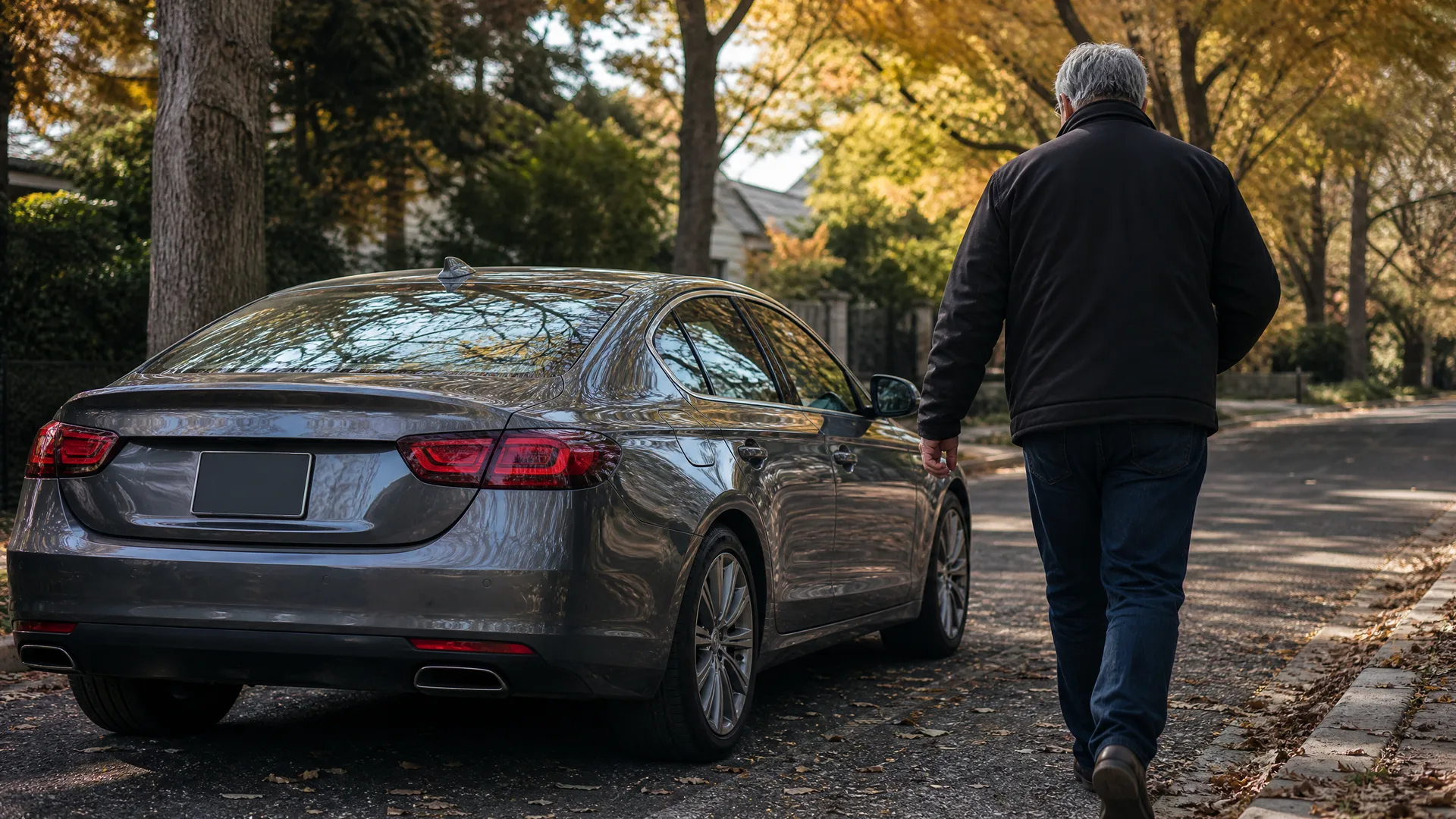
Not every insurer offers it, or offers it the same way
Pay per mile insurance isn't a standard product every insurer sells in Missouri. Availability varies by company, and so does how they price it, what the base rate covers, and how they track your mileage.
Some use a plug-in device that reads your odometer or your driving. Others use a phone app or ask you to report your mileage periodically. If using a tracking device or app isn't something you want, ask how each insurer verifies mileage before you commit, since the methods aren't the same.
Because this is still a newer kind of policy, not every agent brings it up on their own. If you're curious, ask directly whether the insurer offers pay per mile coverage and how it compares to their standard policy with a low-mileage discount applied. Get both quotes side by side rather than taking one or the other on faith.
Questions people ask about this
Does pay per mile insurance affect my senior discount in Missouri?
It depends on the insurer. Some senior discounts apply only to standard policies, while others let you combine a senior discount with pay per mile pricing. Ask the specific insurer how their discounts stack before you assume one carries over to the other.
What happens if I drive more miles than expected on a pay per mile policy?
You'll typically be charged for the extra miles at the plan's per-mile rate, though some plans cap charges once you hit a certain point. Ask the insurer directly what happens if your mileage runs higher than you estimated, since the answer isn't the same across companies.
Can I switch back to a standard policy if pay per mile doesn't work out?
Yes, you can generally switch policies with the same insurer or a different one when your term is up or sooner if your policy allows it. Ask about any fees for ending the policy early before you switch to pay per mile in the first place.
Do I need a smartphone to use pay per mile insurance in Missouri?
Not always. Some insurers track mileage through a plug-in device instead of an app, which doesn't require a smartphone. If you don't want to use a phone app, ask the insurer what other tracking options they offer.
Will pay per mile insurance show my driving habits to my insurer?
Mileage tracking devices and apps generally report more than just distance, including things like speed or braking depending on the plan. Ask the insurer exactly what the device or app records and how that information is used before you sign up.
See what a pay per mile policy would actually cost you next to a standard one.

Pull together your last few odometer readings so you have a real sense of your yearly mileage, not a guess. Call your current insurer and ask whether they offer pay per mile coverage, and if not, ask what low-mileage or senior discounts you already qualify for. When you get quotes, ask each insurer how they track mileage and what happens if you drive more than expected in a given month. Compare the total yearly cost of a pay per mile plan against your current policy with any discounts applied, not just the base rate. If your driving has changed recently, a move, fewer errands, a change in health, factor that into which option fits now rather than what fit a few years ago.