Pay Per Mile Car Insurance for Seniors in Utah
If you drive less than you used to, a pay-per-mile policy can cost less than a standard one, but it depends on how few miles you actually drive and which insurers offer it in Utah.
Yes, if your mileage is low enough to make it worth it
Pay-per-mile insurance is available to Utah drivers of any age, including seniors. There's no upper age limit that keeps you out of it. The insurer charges you a base rate plus an amount for each mile you drive, tracked through a plug-in device or an app on your phone.
Whether it saves you money comes down to how much you actually drive. Someone who stopped commuting, runs fewer errands, or has given up longer trips often drives far fewer miles than the insurer's standard pricing assumes. For that driver, paying by the mile can cost less than a flat annual premium built around average mileage.

How many miles you drive is the whole question
Pay-per-mile only helps if your mileage is genuinely low. If you still drive to work, visit grandchildren out of town, or take regular road trips, a standard policy may actually cost less, because pay-per-mile plans charge more per mile than what's baked into a conventional rate.
Before you look into it, get a real number. Check your last oil change receipt against the one before it, or look at your odometer readings over a few months. Don't guess. Insurers that offer this coverage will usually tell you roughly how many miles a year makes it worth considering, so ask that directly when you call.
Also think about how your driving might change. If you expect to drive even less in the coming year, perhaps because you're giving up a car or moving somewhere you won't need to drive as much, that shifts the math further in favor of pay-per-mile.

Not every insurer offers it in Utah, and not every one treats age the same way
Pay-per-mile coverage isn't offered by every insurance company, and not every company that offers it writes policies in Utah. You'll need to check which insurers in your state actually have this option before you can compare it to what you're paying now.
Separately, ask how each insurer treats your age when it comes to the base rate. Some factor in age the same way they would for standard coverage, which means an older driver could still see a higher base price even on a pay-per-mile plan. Others may weigh your driving record and recent claims history more heavily than your age.
Ask directly how the base rate is set and whether anything about your age affects it. Get this in writing or in an email so you can compare it against quotes from other companies on the same terms.
Questions people ask about this
Does pay-per-mile insurance track where I drive, not just how far?
Some devices and apps used for pay-per-mile plans record only mileage, while others also track speed, braking, or time of day. This varies by insurer, so ask specifically what data the device collects and whether any of it affects your rate beyond the mileage count.
What happens if I go over my estimated miles for the year?
Most pay-per-mile plans simply charge you for the additional miles at the same per-mile rate rather than canceling or penalizing you. Confirm this with the insurer before signing up, since billing practices can differ.
Can I switch back to a standard policy later if pay-per-mile doesn't save me money?
Yes, you can generally switch insurance plans or insurers at your next renewal or sooner if your policy allows it. Ask your current insurer about any fees or waiting periods tied to switching before you commit.
Do I need a smartphone to use a pay-per-mile plan?
It depends on the insurer. Some require a smartphone app to track mileage, while others use a small plug-in device that works independently of a phone. If you don't want to rely on a smartphone, ask specifically about the plug-in option.
Will my mileage tracking device affect my car's warranty or electronics?
This depends on your vehicle and the device used, so check with your car's manufacturer or dealer if you're concerned about anything plugging into your car's diagnostic port.
If low mileage is on your side, see what a pay-per-mile plan would actually cost you compared to what you're paying now.
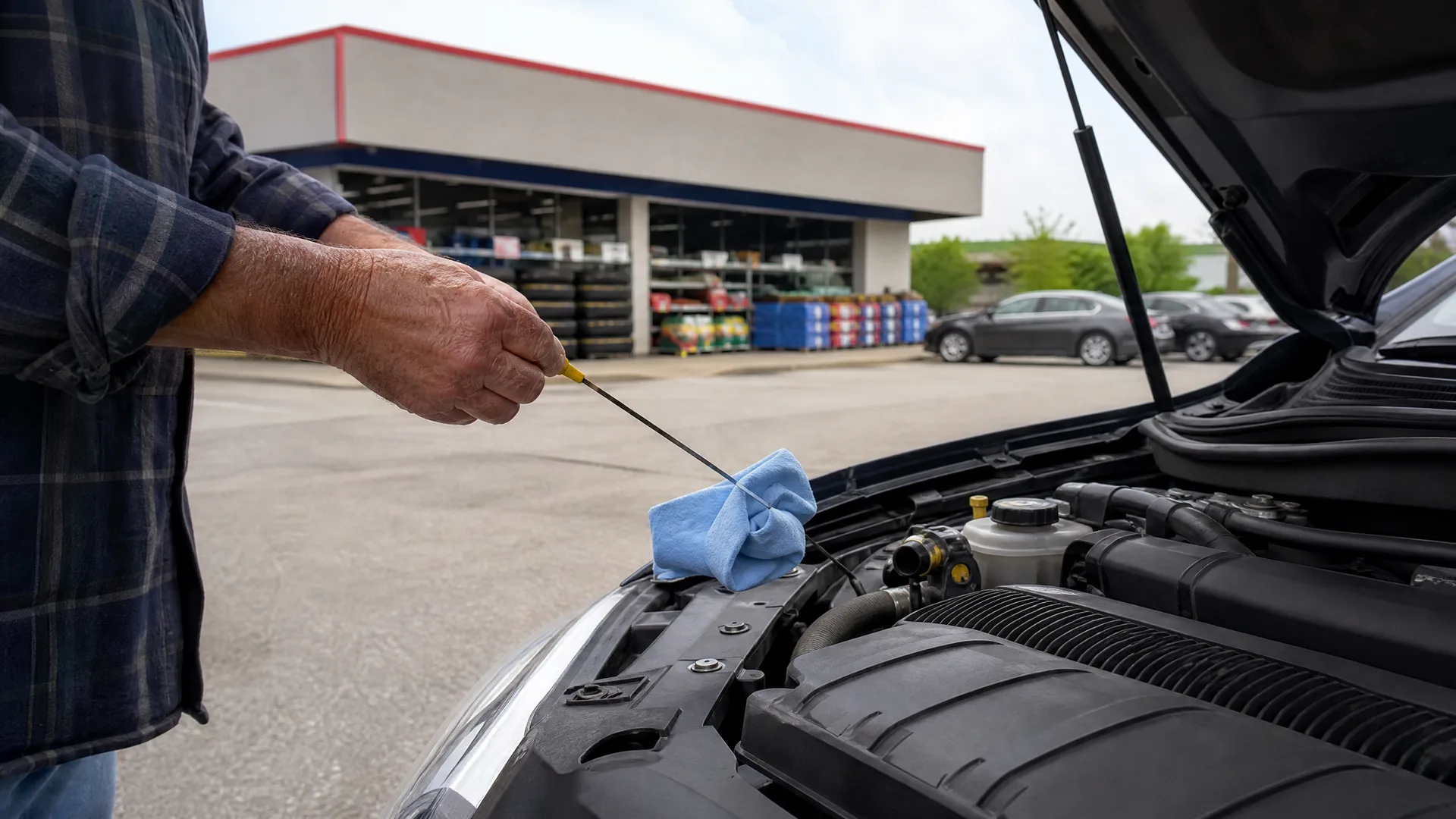
Pull your actual mileage from the last year using service records or odometer readings, so you have a real number instead of a guess. Call a couple of insurers that offer pay-per-mile coverage in Utah and ask how they calculate the base rate and whether your age factors into it. Ask what the per-mile charge is and whether it changes if you drive more than expected. Get a quote from a standard policy at the same time so you can compare them side by side using your real numbers. Ask your current insurer directly whether they offer this option before you assume you have to switch companies.