Pay Per Mile Car Insurance for Seniors in West Virginia
A few insurers in West Virginia offer pay per mile coverage, and it tends to work well for drivers who no longer commute or drive long distances.
It depends on how little you drive and who sells it in West Virginia
Pay per mile insurance charges you based on the miles you actually drive, on top of a base rate. It's not offered by every insurer, and the ones that do offer it don't all sell it in every state, so the first thing to find out is who sells it where you live in West Virginia.
For a senior driver, it tends to make sense when the car sits in the driveway more than it used to. Retirement, fewer errands, or giving up a daily commute all mean fewer miles, and fewer miles is the entire point of this kind of coverage.
How many miles you drive each year
This is the number that decides whether pay per mile saves you anything. If you're still driving close to what you always have, a mileage-based policy likely costs more than a standard one, not less.
Most people underestimate how much they actually drive until they check. Before you switch, look at your last oil change receipt or your odometer from a year ago and do the subtraction yourself rather than guessing.
Some insurers set a mileage cap for this type of policy, above which they move you to standard pricing or stop offering the discount. If you're close to that line, ask what happens the month you go over it.
If your driving varies a lot by season, say you drive often in summer and barely at all in winter, ask how the insurer handles that swing. Some average it over the year and some don't.
How the insurer tracks your mileage
Pay per mile companies need a way to count the miles you drive, and they don't all do it the same way. Some use a plug-in device, some use an app on your phone, and some just read your odometer at set intervals.
For a senior driver who doesn't want a device wired into the car or an app running in the background, the odometer-check option is worth asking about directly, since not every company offers it.
Ask what happens if the device fails or the app doesn't report for a stretch of time. Some insurers fall back to an estimated mileage in that situation, and that estimate might be higher than what you actually drove.
Also ask whether the tracking method affects anything beyond mileage, since some devices and apps also record speed or braking, and some insurers use that data in pricing too.
Questions people ask about this
Does pay per mile insurance affect my senior discount?
It depends on the insurer. Some apply senior discounts on top of a pay per mile rate, and some treat the two as separate pricing structures that don't combine. Ask the insurer directly whether the two can be used together.
Is pay per mile insurance cheaper than regular insurance for seniors?
It can be, but only if you drive well below what a standard policy assumes. If your annual mileage is already low, ask for a quote under both structures and compare the actual numbers rather than assuming.
Can I switch back to a regular policy later?
In most cases yes, since pay per mile is usually just a different policy type from the same or a different insurer. Ask what the process looks like and whether switching affects your rate history or any discounts you've built up.
Will my driving record still affect my rate with pay per mile insurance?
Yes. Mileage is one factor among several insurers use, and your driving record, your car, and your location all still matter. Pay per mile changes how mileage is priced, not whether the rest of your history counts.
Does West Virginia require anything different for pay per mile policies?
Coverage minimums in West Virginia apply the same way regardless of how the policy is priced. What differs is which insurers choose to offer pay per mile in the state, so check availability with the insurer rather than assuming it's offered statewide.
If your driving has dropped off, see which insurers price that into your rate.
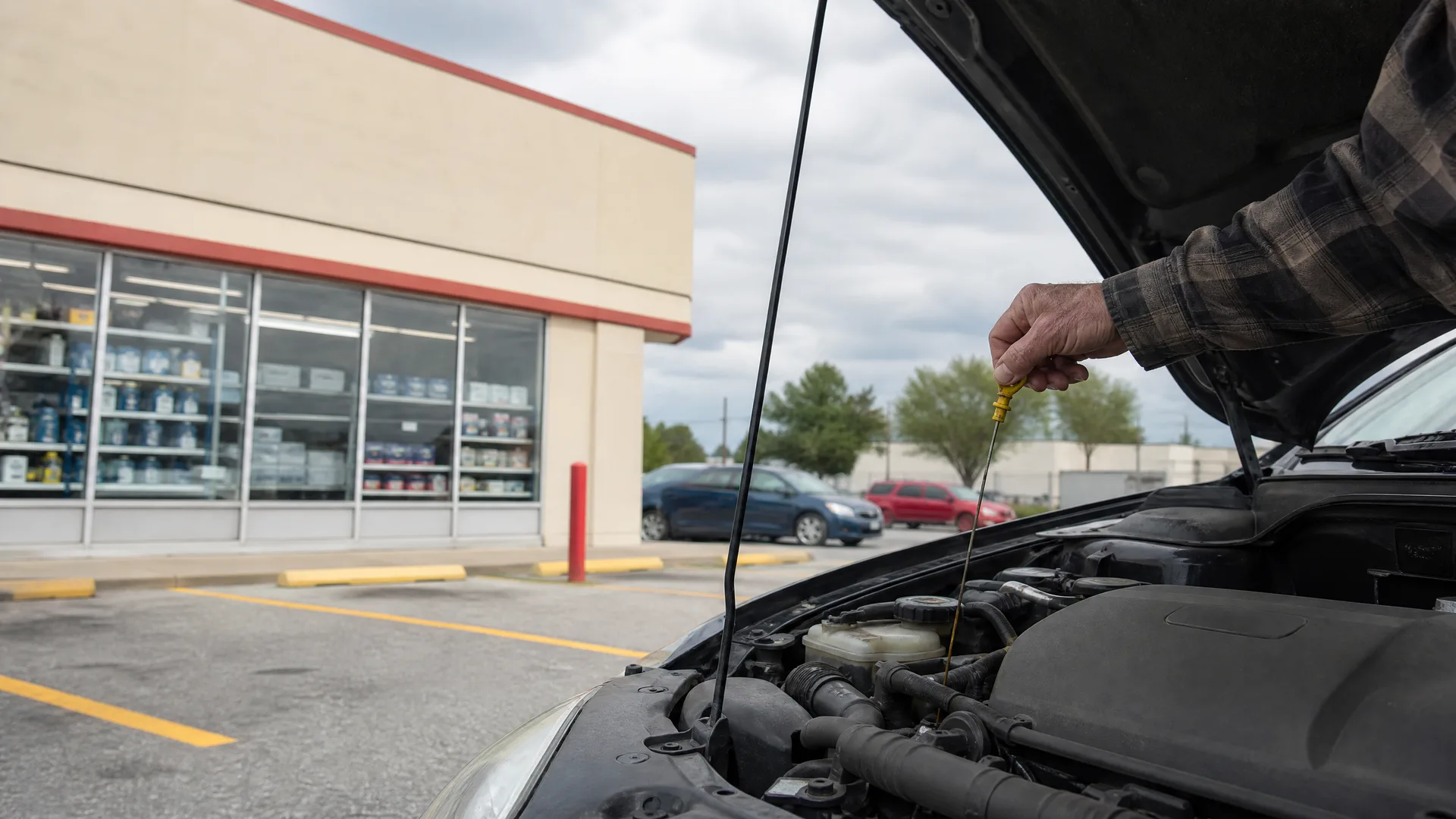
Pull your mileage for the last year from an inspection record, an oil change receipt, or your own odometer readings. Call your current insurer and ask whether they offer pay per mile coverage in West Virginia, and if not, ask them to name a competitor that does. When you get quotes, ask how mileage is tracked and what happens if you go over any cap. Compare the full pay per mile quote against your current renewal, not just the base rate, since the per-mile charge adds up over the year. If the numbers are close, ask how the insurer treats a year where your mileage changes partway through.