Should You Sell Your Car If You Rarely Drive
It depends on whether the cost of keeping it idle is more than the value of having it there when you need it.
There's no single right answer, but there's a clear way to check
Selling makes sense when what you pay to keep the car, insurance, maintenance, registration, a place to park it, adds up to more than the car is worth to you in the stretches when you do need it. Keeping it makes sense when those stretches matter enough, or come often enough, that renting or relying on someone else would cost you more in money or hassle.
The honest way to answer this is to add up what the car actually costs you over a year, not just the insurance bill, and compare that to what you'd spend if you didn't have it. If the car sits more than it moves and the cost is hard to justify, that's your answer. If you need it even twice a month for something that's expensive or difficult without it, that changes the math.

What the car is actually costing you to keep
Insurance on a car you barely drive is still a fixed cost. Some insurers offer lower rates for low mileage, but not all of them do it the same way, so it's worth asking your insurer directly whether your current rate reflects how little you drive, or whether you're paying the same as someone who commutes daily.
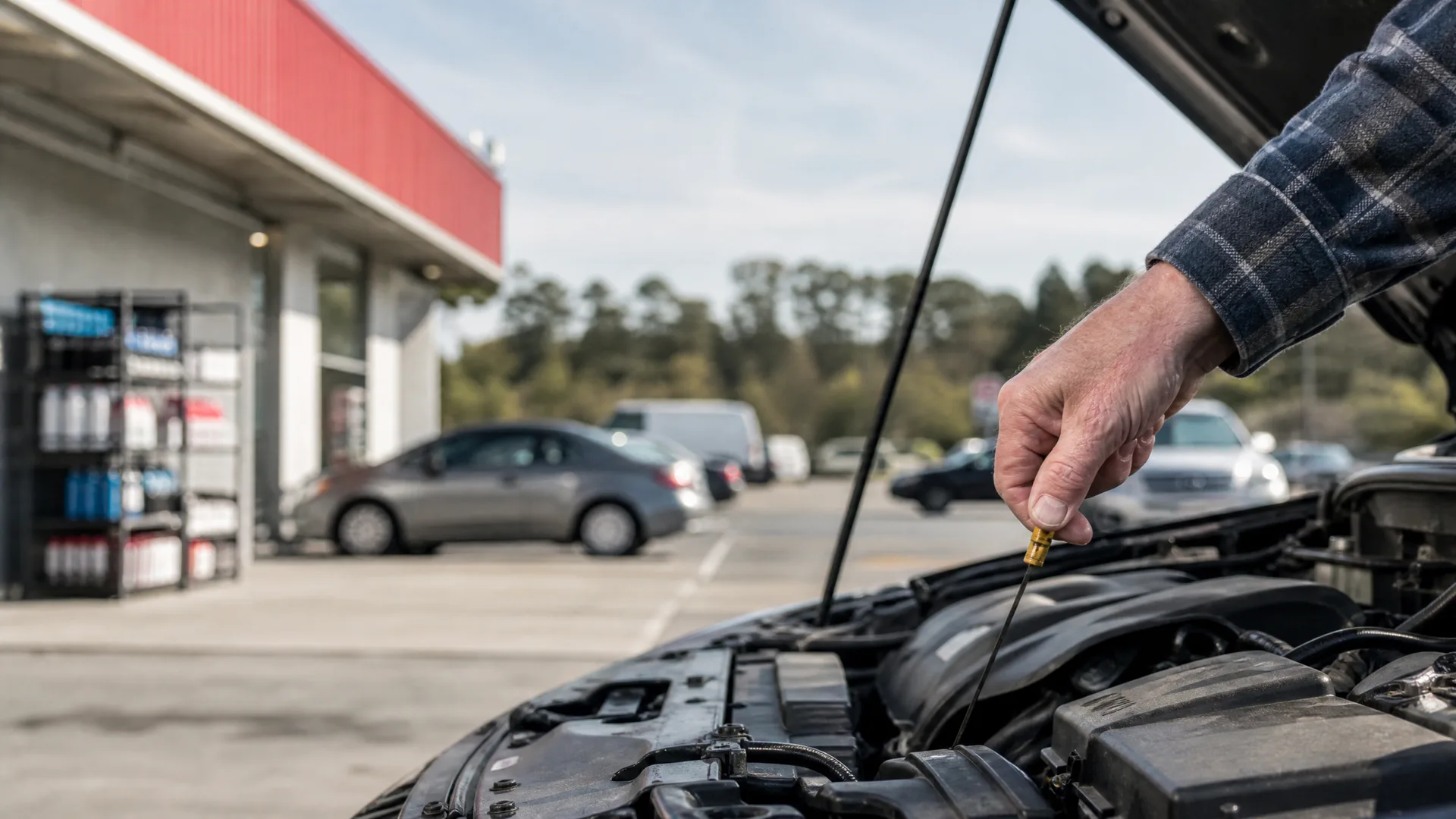
Beyond insurance, there's registration, any loan or lease payment still owed, and maintenance that doesn't go away just because the car isn't moving. Batteries die from disuse. Tires degrade sitting still. Fluids break down over time, not just over miles. A car that rarely drives can still need real money spent on it to stay safe to drive when you do need it.
Add all of that up for a full year. Compare it to what a taxi, rideshare, or rental would cost you for the trips you'd actually take. If the fixed cost of ownership is higher than what those alternatives would run you, the car is costing you more than it's worth sitting in the driveway.
If you decide to keep it, ask your insurer whether there's a policy type built for low mileage drivers, since standard coverage often assumes more use than you're putting on the car.
What you'd lose by not having it
The cost of the car is only half the question. The other half is what having it there saves you when something comes up unexpectedly, a medical appointment, a family emergency, weather that makes other options unreliable.
If you live somewhere with limited public transit, or far from family who could help in a pinch, the car's value isn't about how often it moves. It's about what happens the one time you need it and don't have it. That's harder to put a number on, but it's real.
It's also worth being honest about whether you're keeping the car out of habit rather than need. A car kept for the idea of independence, when it's rarely used and increasingly a chore to maintain and insure, is a different situation than a car kept because there's genuinely no good backup plan.
Talk through both sides with whoever would be affected, family, a caregiver, anyone who'd need to arrange a ride if the car were gone. Their answer often clarifies the decision faster than running the numbers alone.
Questions people ask about this
Will my insurance go down if I drive less?
It depends on your insurer and the type of policy you have. Some offer lower rates or mileage-based pricing for infrequent drivers, but this isn't automatic and isn't offered everywhere. Ask your insurer directly whether reporting lower mileage changes your premium, and what proof they need to see.
What happens to a car that sits unused for a long time?
It can develop problems even without being driven. Batteries lose charge, tires can develop flat spots or lose pressure, fluids break down, and rodents or rust can cause damage in storage. If you're keeping a car you rarely drive, starting it and moving it periodically helps prevent some of this.
Should I switch to liability-only coverage on a car I barely drive?
That depends on the car's value and whether you could afford to replace or repair it without insurance help. A car worth very little may not need full coverage, but check with your insurer about what you'd lose by dropping it, especially if the car is still financed.
Is it cheaper to rent a car occasionally than to own one?
It can be, depending on how often you'd actually need one. Add up your annual insurance, registration, and maintenance costs and compare that total to what renting or rideshare would cost for the trips you'd realistically take in a year.
Can I keep a car registered and insured without driving it regularly?
Yes, as long as you keep up with registration and insurance payments, there's generally no rule against owning a car you rarely drive. The question is whether it's worth the ongoing cost to you, not whether it's allowed.
If you decide to keep the car, see what it would actually cost to insure it the way you drive it now.
Pull together what you've spent on the car this year: insurance, registration, repairs, and anything else tied to keeping it on the road. Set that next to what a rental, rideshare, or occasional borrowed car would have cost you for the same trips. Call your insurer and ask directly whether your rate reflects your actual mileage, and whether a different policy type would fit better. If the car stays, ask what you can do to keep it in good shape between uses. If it goes, get a sense of what it's worth before you decide how to sell it.