Should You Start Your Car Every Week
Starting the car weekly helps the battery and parts that dry out when a car sits, but it won't fix every problem that comes with driving less.
Yes, if you're driving less than you used to
A car that sits for long stretches without running develops problems a car driven regularly doesn't. The battery loses charge faster than people expect, especially in cold weather. Seals and gaskets can dry out and start to leak. Tires develop flat spots where the weight of the car rests in one place too long.
Starting the engine and letting it run for a while, or better, driving it somewhere, keeps the battery charged and circulates oil and fluids through parts that need it. If you've cut back on driving, whether that's retirement, giving up a commute, or just driving less than you used to, this matters more than it did before.
How you drive it matters more than how often
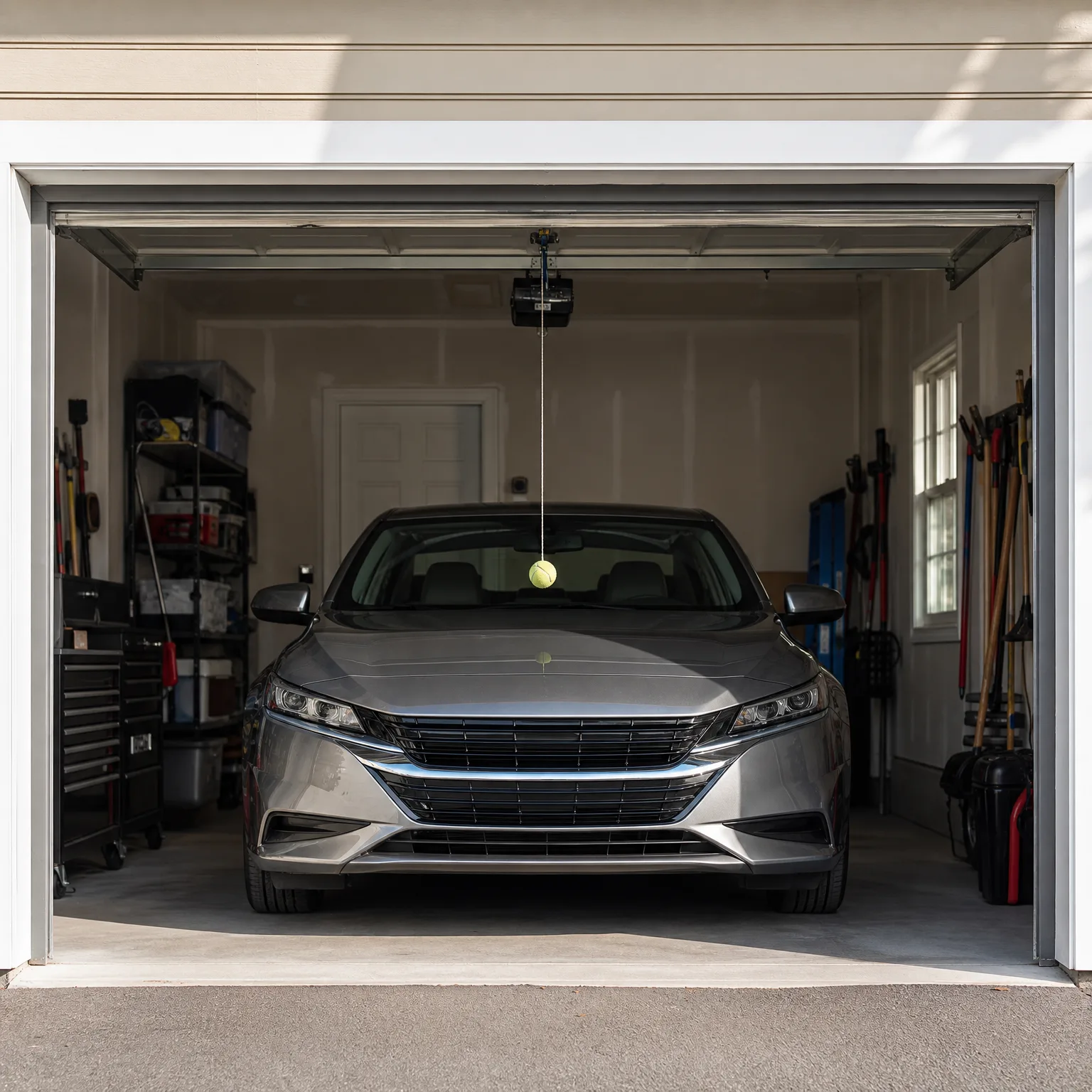
Starting the car in the driveway and letting it idle for a few minutes doesn't do as much as actually driving it. An idling engine doesn't get hot enough to burn off condensation that builds up in the exhaust system, and the transmission, brakes, and other parts don't get used at all.
If you can, take the car out for a real drive, even a short errand, rather than just starting it and letting it sit. Fifteen minutes on the road does more for the car than half an hour in the driveway.
If you genuinely can't drive it, for a trip, a health reason, or anything else, starting it is still better than nothing. It keeps the battery from draining completely and lets oil reach parts of the engine it wouldn't otherwise.
What this doesn't change about your insurance
Driving a car regularly or rarely doesn't affect whether it needs to stay insured. In most states, a car that's registered and sits in a driveway or garage still needs coverage, even if it never leaves the property. Letting insurance lapse because you're not driving much can cause problems later, including higher rates when you do get a new policy.
If you're driving a lot less than before, that's worth mentioning to your insurer. Some adjust rates based on how many miles a car is driven in a year, and a lower number can lower what you pay. Ask your agent or insurer directly what they need from you to reflect that, since this varies by company.
If you're thinking about taking the car off the road entirely rather than just driving it less, that's a different question, and one where the rules on insurance and registration depend on your state.
Questions people ask about this
How long can a car sit without being driven before it causes problems?
It depends on the car, the battery, and the weather, but problems tend to show up after a few weeks rather than a few days. Cold weather speeds up battery drain. If you know you won't be driving for an extended stretch, ask a mechanic or your car's manual what they recommend for that specific car.
Does a car battery charge while idling in the driveway?
Yes, but more slowly than while driving, because the alternator charges the battery whenever the engine runs. Idling for a long time can also strain the engine without providing the benefits of driving at normal speeds, so it's a backup option, not a substitute for actually driving the car.
Should I disconnect the battery if I'm not driving for a while?
That depends on how long you'll be away and what you're trying to avoid. Disconnecting it stops the battery from draining but means the car's electronics may need to be reset when you reconnect it. A mechanic can tell you whether that makes sense for your specific car and situation.
Can not driving enough affect my car insurance rate?
It can, depending on your insurer and the kind of policy you have. Some insurers offer lower rates for low annual mileage, but they need to know about it to apply it. Ask your insurer directly whether they track mileage and what they need from you to update it.
Is it bad for a car to sit unused for months at a time?
Yes, a car sitting unused for months is more likely to develop problems than one driven regularly, including a dead battery, flat-spotted tires, and dried-out seals. If you know a car will sit that long, ask a mechanic about steps to take beforehand, like what fluids to check or whether to use a battery maintainer.
If driving less has changed what you need from a policy, it's worth seeing what else is out there.
This week, take the car for an actual drive rather than just starting it in the driveway, especially if it's been sitting for more than a week or two. While you're at it, check your renewal notice or call your insurer to ask whether they track annual mileage and whether driving less could lower what you pay. If the car is going to sit unused for an extended period, ask a mechanic what they recommend for your specific make and model. And if you're considering taking the car off the road entirely rather than just driving it less, check with your state's DMV about what that means for registration and insurance before you decide.