Car Insurance for Seniors Who Rarely Drive in Alaska
Driving less can lower your rate, but only if your insurer offers a low mileage discount and you can show them the miles.
Yes, if your insurer counts low mileage toward your rate
Insurers that offer a low mileage discount use it to lower your premium because fewer miles driven means less chance of a claim. Not every insurer offers this, and the ones that do set their own mileage thresholds and their own way of verifying it.
For a senior in Alaska, this can matter more than it would elsewhere. Long winters, shorter daylight, and icy roads already push some older drivers to cut back on driving, especially at night or in bad weather. If that describes you, ask your insurer directly whether they have a low mileage program and what counts as low.
How your insurer verifies your mileage
Some insurers simply ask you to estimate your annual mileage when you set up or renew your policy. Others want proof: an odometer reading at your last oil change or inspection, a photo you send in, or a device that plugs into your car and tracks it directly.
If your insurer uses a tracking device or app, your rate may end up tied to your actual driving, not just an estimate. That can work in your favor if you genuinely drive very little, but it means the discount can change if your habits change partway through the year.
If estimating mileage yourself is enough for your insurer, be honest about the number. An estimate that is too low can cause problems if you ever file a claim and the mileage on record doesn't match your car's history.
Ask your insurer what they require before you assume you qualify. The same low mileage might get a discount from one insurer and nothing from another.
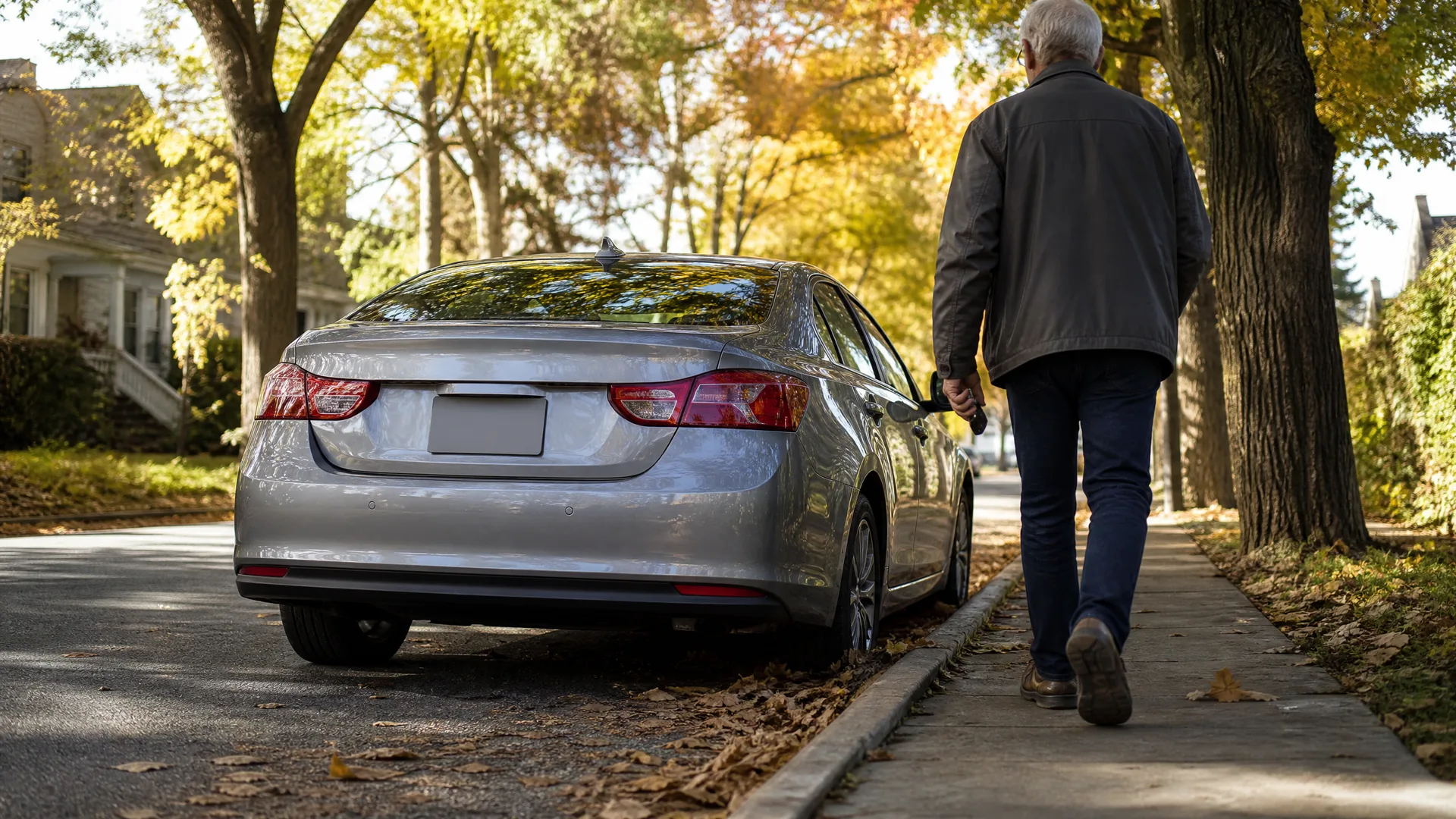
Why rarely driving isn't the only thing insurers look at
Your age and your driving record still factor into your rate alongside your mileage. An insurer may lower your premium for low mileage and still price your policy differently than a younger driver with the same mileage, because they weigh age and experience separately.
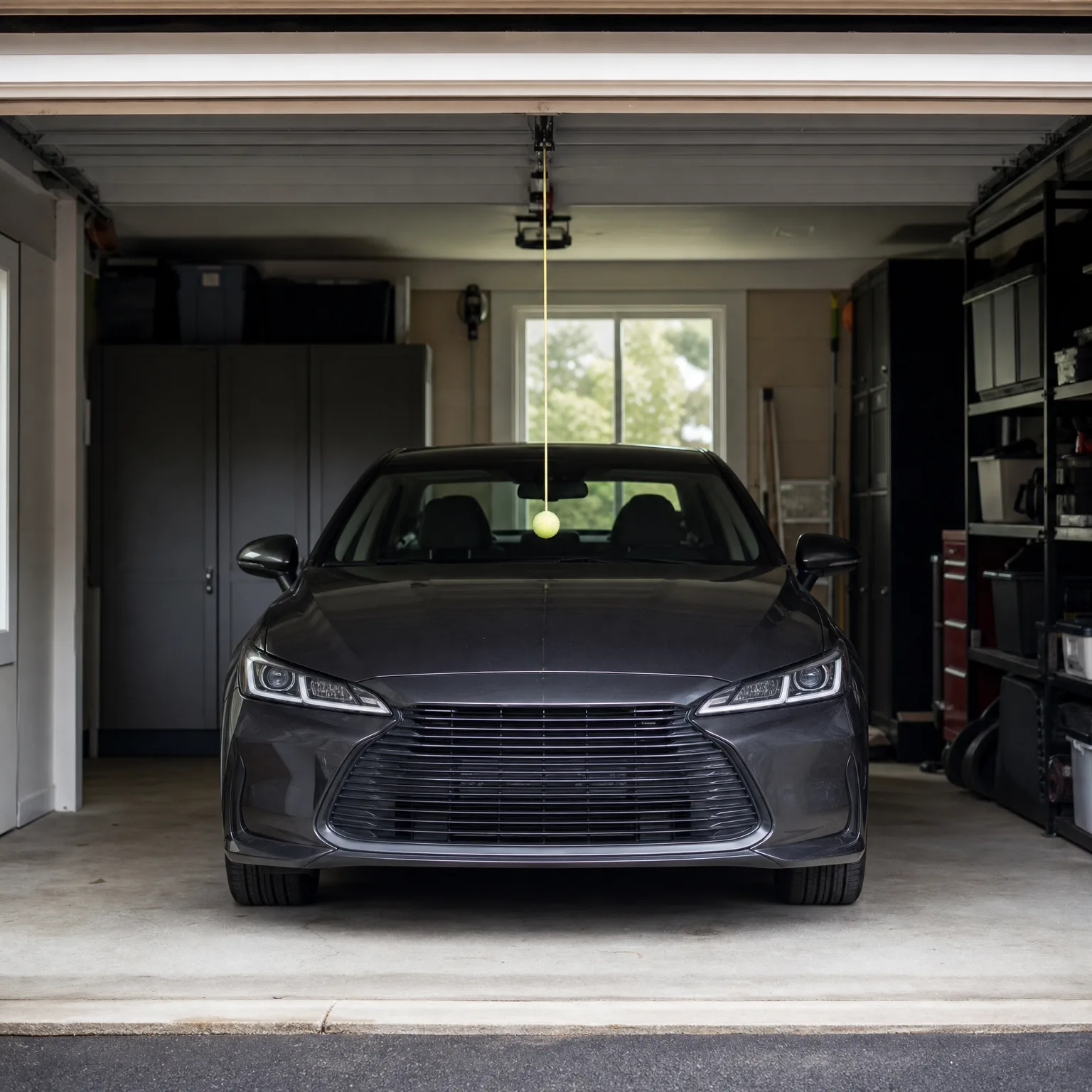
Where you store the car matters too. An insurer may ask whether it's garaged, and in parts of Alaska where winter conditions are harsher, that can affect their view of risk even if you're barely driving.
If you've also taken a defensive driving or mature driver course, ask whether that discount stacks with the low mileage one. Some insurers apply both. Others cap how many discounts you can combine, so it's worth asking rather than assuming.
Questions people ask about this
Does pausing or canceling my policy during the winter save money if I don't drive then?
Letting your policy lapse can cost you more than it saves, because a gap in coverage often raises what you pay when you start a new policy. Ask your insurer whether they offer a reduced-use or seasonal option instead of canceling outright.
Will my insurer lower my rate automatically if I start driving less?
No, most insurers need you to tell them and sometimes verify it, rather than noticing on their own. Call your insurer or agent and ask what they need from you to apply a low mileage discount.
Does usage-based insurance work well for someone who drives rarely in Alaska?
It can, since these programs often reward fewer miles and cautious driving, but the device or app still needs to track your trips accurately. Ask whether the program adjusts for road conditions, since a short icy drive can look riskier to the tracker than a long highway trip.
Should I switch to a different insurer if mine doesn't offer a low mileage discount?
That depends on how much the discount would actually save you compared to what you already have with your current insurer, including any other discounts or loyalty pricing. Get a quote from another insurer that does offer it and compare the full price, not just the discount.
Does my car's age or value change whether a low mileage discount is worth it?
It can, because a low mileage discount typically reduces a portion of your premium tied to collision and liability risk, and that portion is often smaller on an older or lower-value car. Ask your insurer how the discount is calculated so you know what it actually changes on your bill.
See which insurers reward your low mileage before you renew.
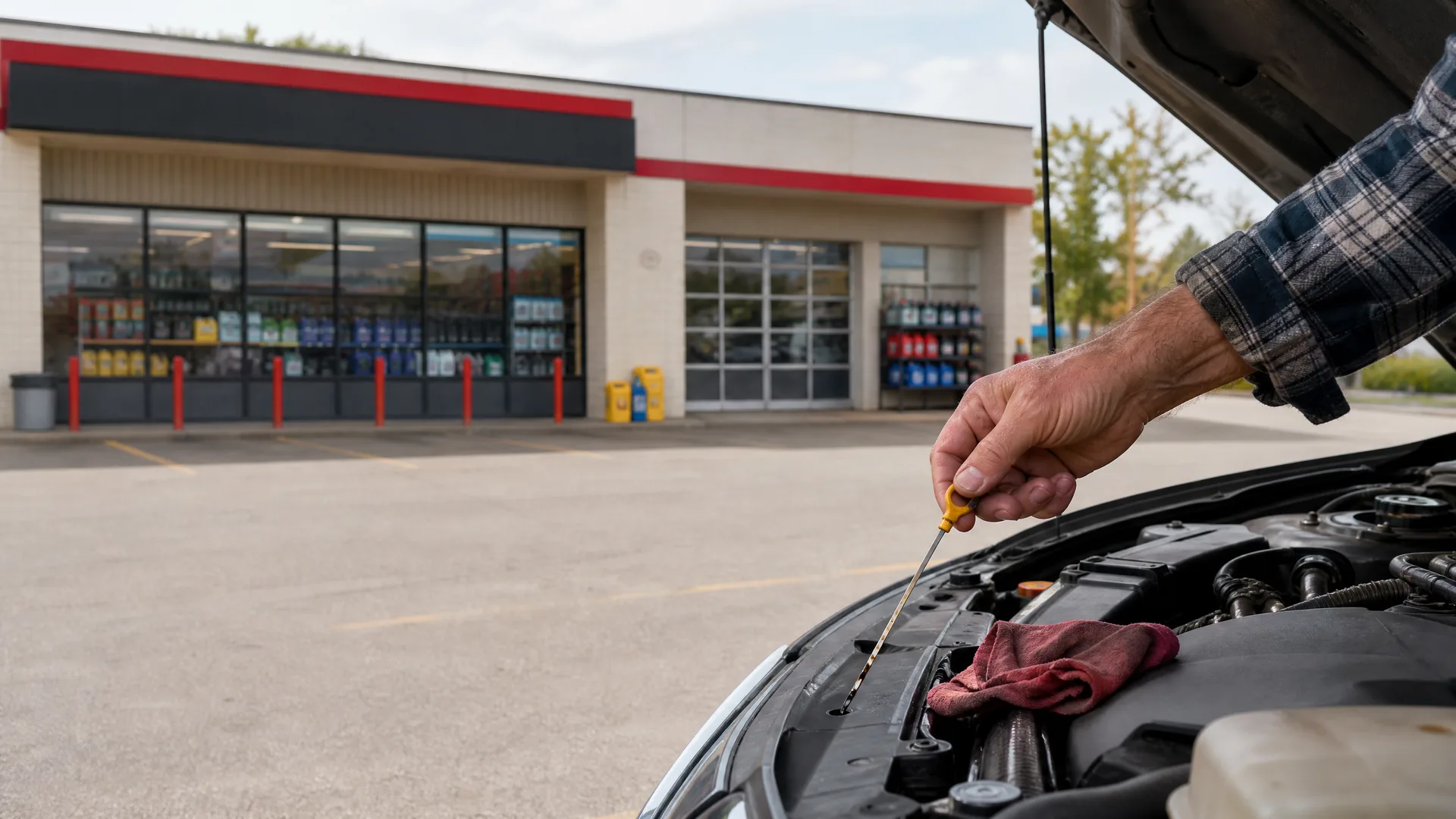
Pull your current odometer reading and figure out roughly how many miles you've driven this year. Call your insurer or log into your account and ask directly whether they offer a low mileage discount, what mileage range qualifies, and what proof they need. While you're at it, ask if a defensive driving course discount can be added on top. Then get a quote from at least one other insurer that advertises low mileage or usage-based programs, so you can compare the actual total, not just the size of the discount.