Car Insurance for Seniors Who Rarely Drive in California
Driving less can lower your premium in California, but only if your insurer knows about it.
Yes, if your insurer counts your mileage
Car insurance for seniors who rarely drive is often cheaper in California, but only when the insurer actually knows how little you drive. Insurers set your premium based on what they expect, and low mileage is one of the things they ask about or track.
Some insurers ask your annual mileage when you apply or renew and adjust your rate from that number. Others offer a program that tracks your actual driving through an app or a plug-in device. Either way, the discount isn't automatic. You or your insurer has to have a way of knowing you drive less than most people.
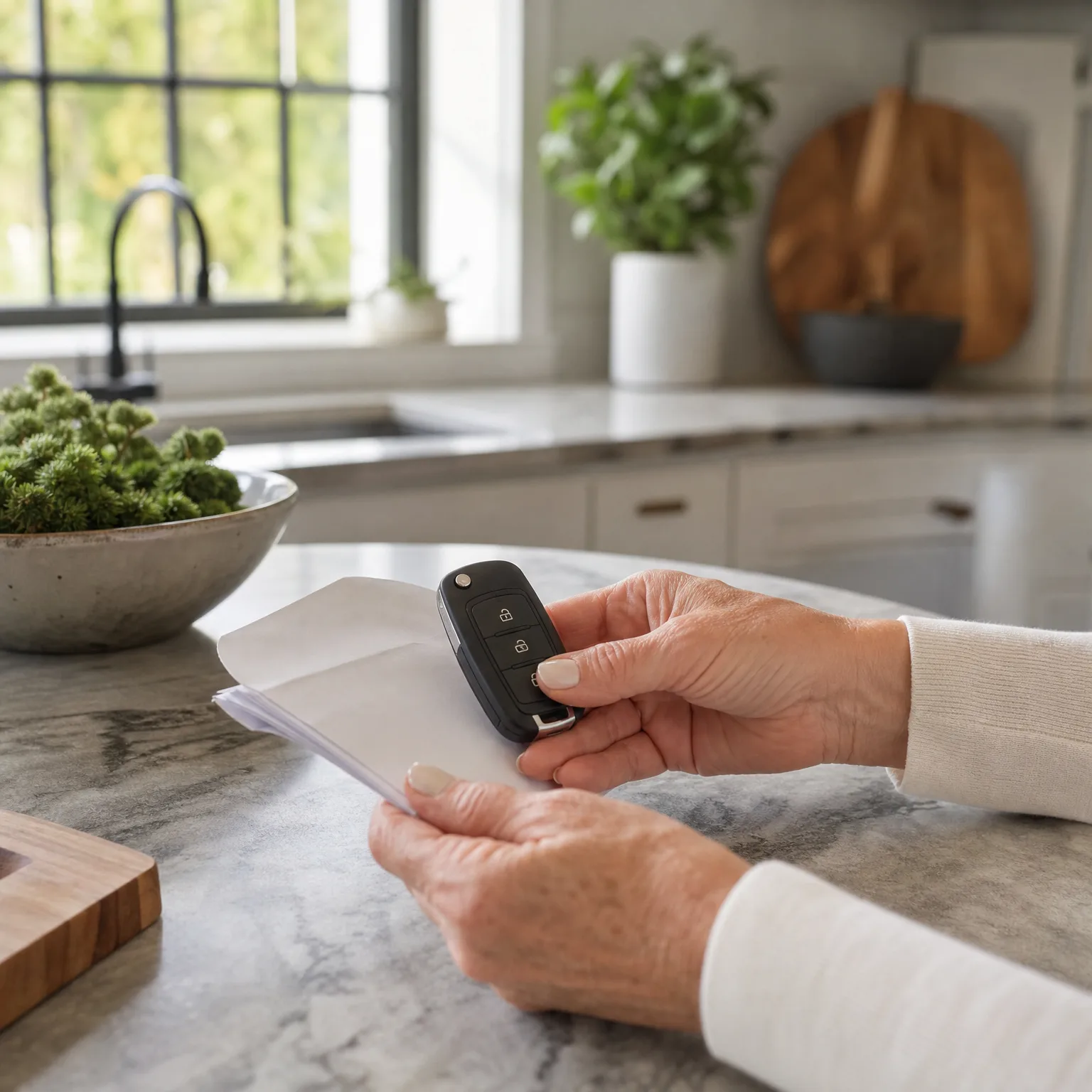
How your insurer finds out you drive less
If nobody asks, nobody adjusts your rate. Some policies set your premium from an estimated annual mileage figure you give at renewal. If that number hasn't been updated since you stopped commuting or started driving less, your insurer is still pricing your policy on old information.
Call your insurer and ask how they calculate your mileage estimate and whether you can update it. Some will take your word for it. Others want a recent odometer reading, from a service visit or an inspection, to confirm the number.
Usage-based programs go further. They track your actual trips, sometimes your speed and braking too, and some companies price entirely from that instead of a yearly guess. If you rarely drive, this kind of program usually works in your favor, since the data will show exactly what you're telling them.
Ask your agent directly whether low mileage is something they price for, and if so, what counts as low. Some insurers set a mileage threshold for the discount. Others simply charge less the fewer miles you report.
What else changes the price for a senior driver
Mileage is one factor, but it sits alongside everything else your insurer already knows about you. A long clean driving record works in your favor regardless of how much you drive, and many insurers price long-term customers differently than new ones.
Your car matters too. An older, fully paid-off car usually costs less to insure than a newer one, especially if you've dropped collision or comprehensive coverage because the car isn't worth much anymore. That's a separate decision from mileage, but it adds up alongside it.
Some insurers also offer a discount for completing a state-approved driver safety course aimed at older drivers. If you take one, ask your insurer whether they apply the discount automatically or whether you need to send them the completion certificate yourself.
Because pricing rules vary by insurer, the only way to know which of these applies to your policy is to ask directly. Two companies can treat the same driver very differently.
Questions people ask about this
Does pausing my car insurance while I don't drive save money in California?
Pausing coverage entirely isn't something most insurers offer, and letting your policy lapse can cause problems later, including higher rates when you restart it. Ask your insurer whether they offer a parked-car or storage policy instead, which usually keeps some coverage active at a reduced cost.
Can I get car insurance in California if I only drive to medical appointments?
Yes, you can insure a car you drive only occasionally, including for medical trips. Tell your insurer how the car is actually used, since some low-mileage or usage-based programs are built exactly for this kind of driving pattern.
Should I drop collision coverage on an old car I rarely drive?
That depends on what the car is worth and what you could afford to replace it with. If the car's value is low, collision coverage may cost more over time than it would pay out in a claim. Check your car's current value and compare it to what you're paying for that coverage.
Will my insurance go up automatically once I turn a certain age in California?
There's no single statewide rule that raises rates at a specific age. Some insurers review pricing more closely for older drivers, often tied to things like vision tests or license renewal requirements, but this varies by company. Ask your insurer directly how age factors into your policy.
Do I need a vision test to renew my driver's license in California as a senior?
License renewal requirements, including vision tests, are set by the California DMV and can depend on your age and renewal method. Check directly with the DMV for the current requirement tied to your renewal date.
See how insurers price low-mileage driving before you commit to a renewal.
Find your most recent renewal notice and check what annual mileage it lists for you. Call your insurer and ask how that number was set and whether you can update it. Ask specifically whether they offer a low-mileage discount, a usage-based program, or a mature driver course discount, since not all of them advertise this upfront. If you've had a change in how much you drive, mention it even if the renewal notice hasn't asked. Then compare what your current insurer offers against quotes from other companies, since mileage discounts and thresholds differ from one insurer to the next.