Car Insurance for Seniors Who Rarely Drive in Delaware
A Delaware senior who rarely drives usually has real room to lower their premium, but only if their insurer knows about it.
Yes, but the savings depend on telling your insurer you drive less
Car insurance for seniors who rarely drive in Delaware can cost less than a standard policy, but it doesn't happen automatically. Insurers set your premium based partly on how much they expect you to drive, and that expectation usually comes from an estimate you gave them years ago, not your actual habits now.
If you've cut back on driving since retiring, or you only use the car for errands and appointments, your current policy may still be priced as if you commute daily. The fix is to update your mileage estimate with your insurer and ask what that does to your premium. Some insurers also offer usage-based programs that track actual mileage and price accordingly, which can help a driver who rarely drives more than a flat low-mileage discount does.
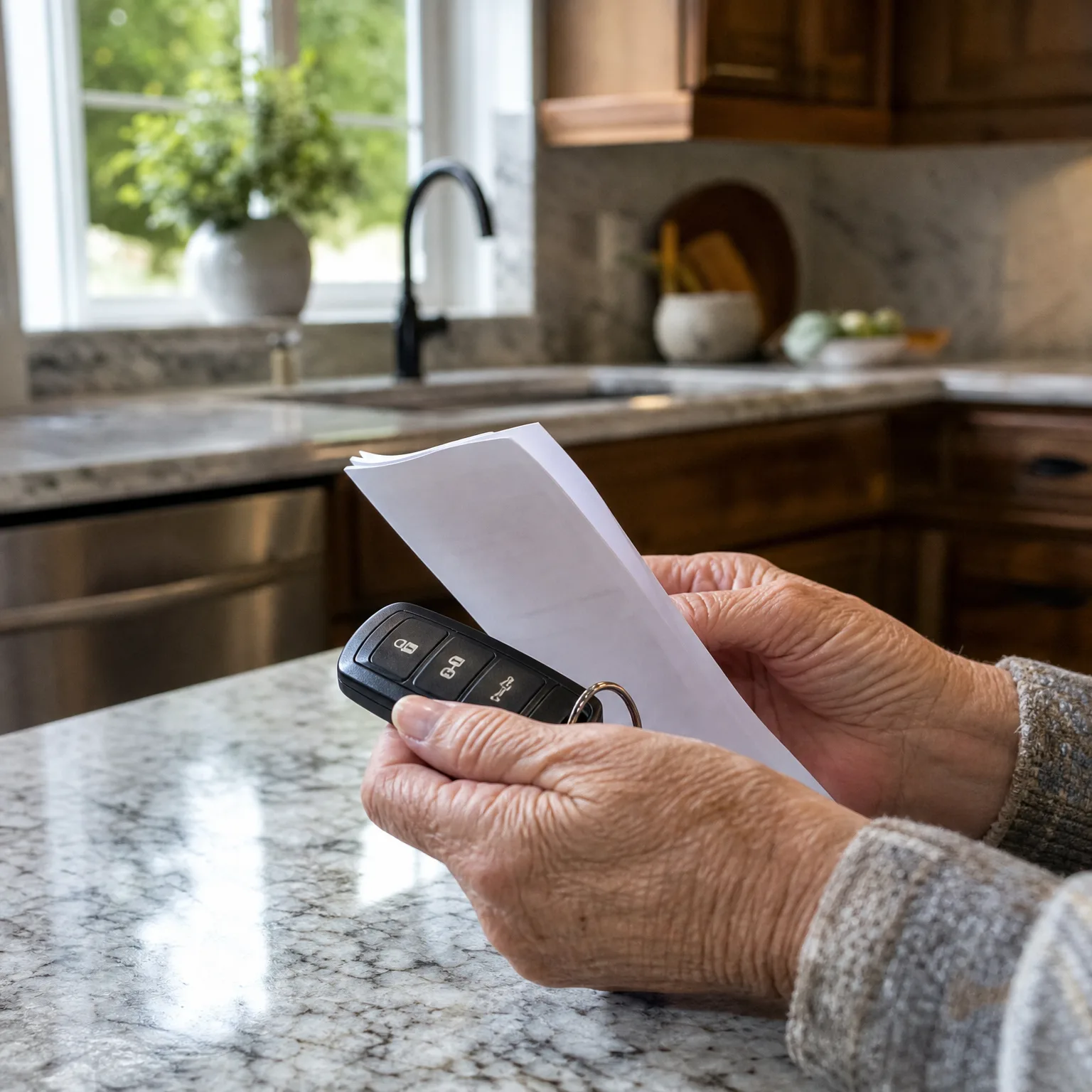
How your insurer classifies low mileage
Every insurer sets its own threshold for what counts as low mileage, and Delaware doesn't set a statewide rule for this. One company might consider a driver low-mileage at one annual figure, another might draw the line somewhere else entirely. This means two insurers can look at the exact same driving habits and offer different prices.
Because of this, it's worth asking each insurer directly how they define low mileage and what you need to provide as proof. Some will accept your own estimate. Others want an odometer reading at renewal, a photo of your dashboard, or enrollment in an app-based tracking program.
If you've recently reduced how often you drive, perhaps after giving up a commute or moving somewhere with fewer errands to run, tell your insurer this directly rather than waiting for the renewal form to ask. Underestimating your mileage can also cause problems if you're ever in a claim, so give them a number you can stand behind.
If your household has more than one car but only one is driven regularly, ask whether the other should be insured differently, since a rarely driven second car is often priced on its own terms.
How your age and driving record are weighed alongside mileage
Mileage is only one piece of what sets your premium. Insurers also look at your driving record, and for older drivers, some states and some insurers give weight to completing an approved driver safety course. Delaware's rules on this are set by the state, so check with the Delaware Division of Motor Vehicles or your insurer about whether a course is recognized and what it takes to qualify for any resulting discount.
A common mistake is assuming a course discount and a low-mileage discount work against each other or that one cancels the other out. In most cases they're separate adjustments, and a driver who qualifies for both should ask for both to be applied.
Your insurer may also want to know about any changes in vision, since Delaware requires a vision test for license renewal for some age groups. This doesn't affect your insurance rate directly, but a lapsed or restricted license can affect your coverage, so keep that paperwork current and let your insurer know if your license has any new restrictions.
Questions people ask about this
Do I need a special license restriction to get a low-mileage discount in Delaware?
No, a mileage discount and a license restriction are separate things. Your insurer cares about how much you actually drive, not whether the state has placed a restriction on your license. If you do have a restriction, such as daytime-only driving, mention it since it may support your case for lower mileage.
Will my rate go up if I start driving more after getting a low-mileage discount?
It can, if your actual mileage ends up significantly higher than what you reported. This is why it matters to give your insurer a realistic estimate rather than the lowest possible number. If your driving habits change again, such as taking on more errands for family, update your insurer rather than waiting for them to notice.
Is it worth getting insurance quotes every year if I barely drive?
Yes, because insurers compete differently for low-mileage drivers and your current company may not offer the best price for your situation. Rates and underwriting rules change year to year, so a company that wasn't competitive for you before might be now.
Can I insure a car I rarely drive for less if it's kept in a garage?
Often, yes, because where and how a car is stored affects the risk of theft or damage, which insurers do factor into pricing. Ask your insurer specifically whether garaging the car and rarely driving it both apply as separate factors, since they're assessed differently.
What happens to my coverage if I stop driving altogether?
You still need to decide whether to keep the car insured, cancel the policy, or switch to a non-driver or storage-only type of coverage, depending on what your insurer offers. Letting coverage lapse can affect your ability to get standard rates again later, so ask your insurer about your options before you stop driving rather than after.
See what Delaware insurers offer a driver with your mileage and record before you renew at your current rate.
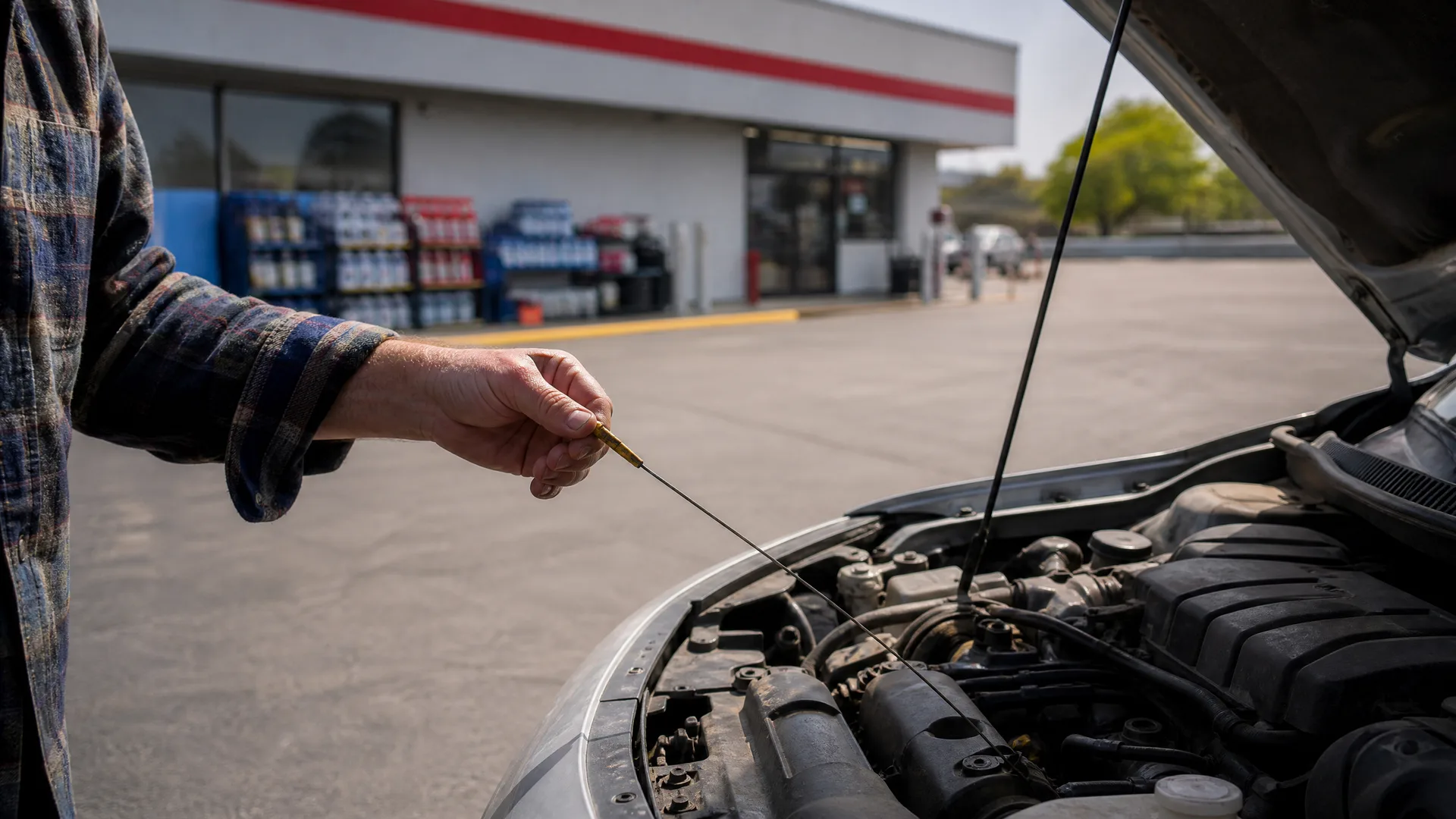
Pull your most recent renewal notice and find the annual mileage estimate your current policy is based on. Compare that to a rough count of your actual driving over the past year, using your odometer if you have an old reading to go from. Call your insurer and ask them to update your mileage estimate, and ask directly whether you qualify for a low-mileage or usage-based program. While you're on the phone, ask whether a driver safety course would qualify you for an additional discount under Delaware's rules. Then get a few quotes from other insurers using the same updated mileage figure, since the discount your current insurer offers may not be the best one available to you.