Car Insurance for Seniors Who Rarely Drive in Florida
Insurers in Florida do offer lower rates to seniors who drive little, but you usually have to ask for it and prove it.
Yes, if you ask and can show your mileage
Car insurance for a senior who rarely drives can cost less in Florida, but it doesn't happen on its own. Insurers price policies by risk, and fewer miles driven generally means fewer chances to have an accident. Most companies have some version of a low-mileage discount, but they don't apply it automatically.
You have to tell your insurer how little you drive, and some will ask for an odometer reading or an estimate of your annual mileage to confirm it. If you've switched to driving only for errands or doctor visits since you stopped working, that change is worth reporting. It won't show up in your rate unless you say something.
How your insurer defines low mileage matters
Every insurer sets its own threshold for what counts as low mileage, and Florida doesn't set one rule that applies across the board. One company's cutoff might be generous, another's might not count you as low-mileage until you're driving far less than you'd think.
This means the same driving habits can qualify for a discount with one insurer and not another. If your current insurer doesn't offer much for low mileage, that alone is a reason to check what others offer.
Ask your insurer directly what their mileage threshold is and how they verify it. Some rely on your word, others want an odometer photo or a telematics device plugged into your car. Know which one you're dealing with before you commit to anything.
Age and mileage are weighed separately
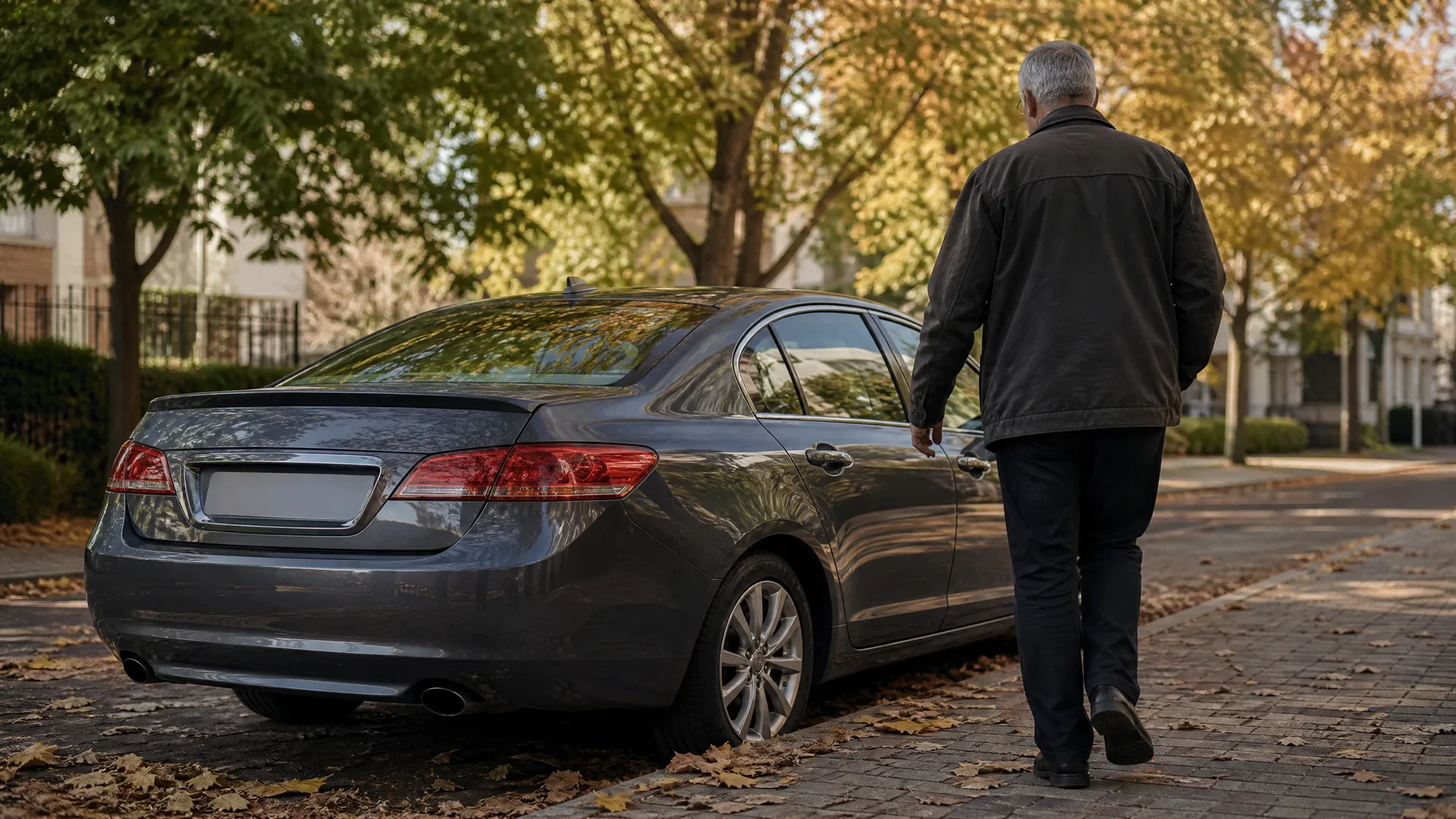
Being a senior and driving rarely are two different things to an insurer, and they don't cancel each other out automatically. Some companies have a mature driver discount tied to age or a completed driver safety course, and a separate low-mileage discount tied to how much you drive. You may qualify for one, both, or neither, depending on the insurer's rules.
If you've taken a defensive driving course for older drivers, that's worth mentioning too, since Florida insurers often require the completion certificate before they'll apply any credit for it. Don't assume age alone gets you a lower rate if your mileage hasn't been considered, and don't assume low mileage covers what a senior-specific discount would.
The only way to know what you actually qualify for is to ask your insurer to walk through both discounts separately.
Questions people ask about this
What counts as low mileage for car insurance in Florida?
There's no single number, since each insurer sets its own threshold. Some consider a driver low-mileage well before others do. Ask your insurer directly what their cutoff is and how it compares to your actual driving.
Do I need to keep proof of how many miles I drive?
It depends on the insurer. Some ask for an odometer reading at renewal, others install a small device that tracks mileage directly, and some just take your estimate. Ask what your insurer requires before you report your mileage, so you're not caught without the right proof later.
Will my rate go up if I start driving more than I estimated?
It can, if your insurer finds your actual mileage was higher than what you reported. Insurers that verify mileage may adjust your premium at renewal if the numbers don't match. Report your mileage honestly and update your insurer if your driving habits change during the year.
Can I switch to a pay-per-mile policy instead?
Some insurers in Florida offer pay-per-mile or usage-based policies, where your premium is tied closely to how much you actually drive. Whether this costs less than a standard low-mileage discount depends on your specific driving pattern, so ask an insurer to compare both for you directly.
Does dropping coverage on a car I rarely drive save money?
Letting insurance lapse on a car you still own and drive, even occasionally, isn't the same as reducing your mileage and can create bigger problems if you're caught uninsured or need to make a claim. If a car truly sits unused, ask your insurer about storage or non-operational coverage instead of dropping the policy entirely.
See what a few Florida insurers would actually charge someone who drives as little as you do.
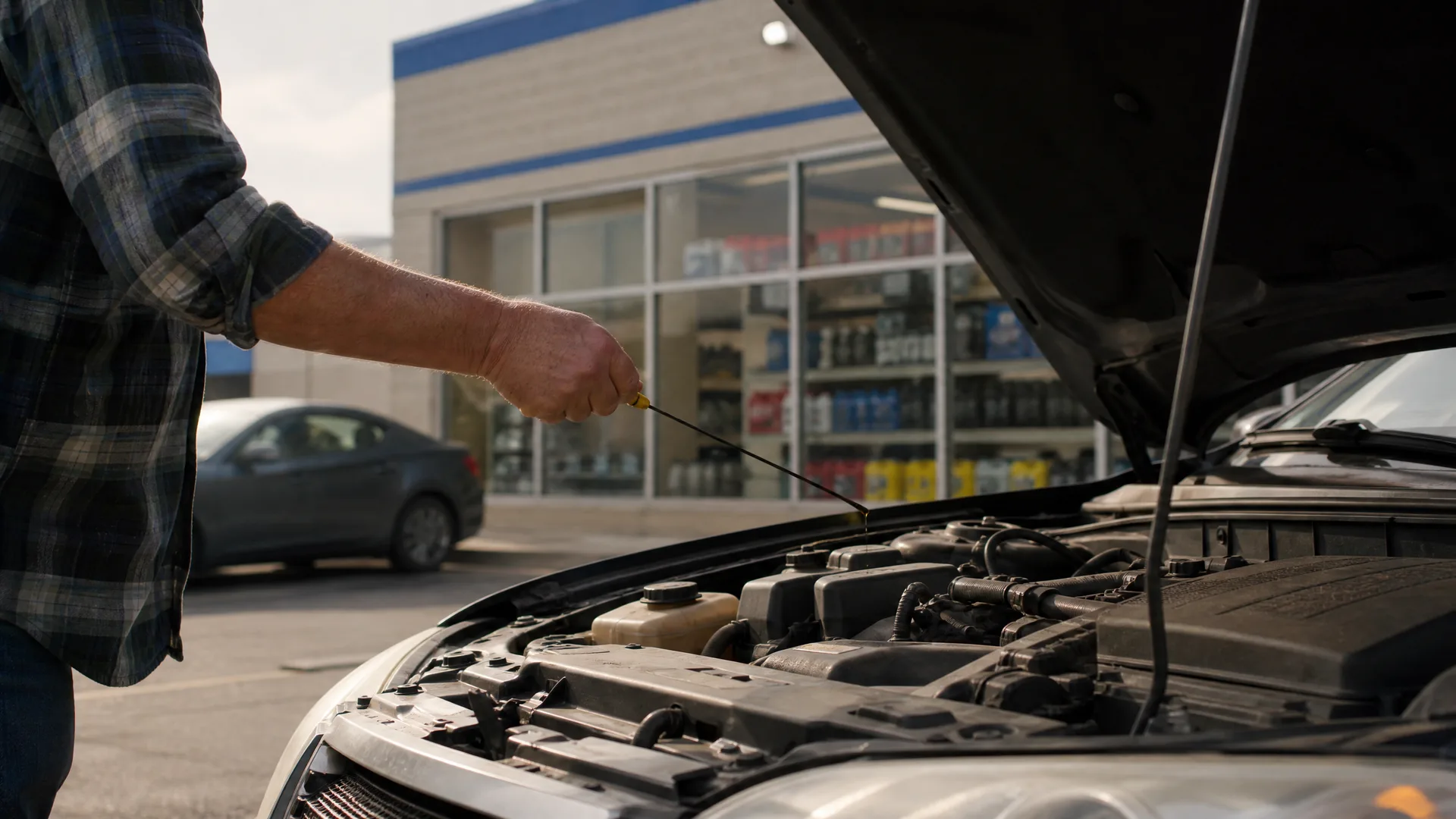
Pull your odometer reading or a recent estimate of how many miles you drive in a typical year before you call anyone. Have your current policy on hand so you can compare what you're paying now against what else is out there. When you call your insurer, ask specifically about their low-mileage discount, their mature driver discount, and whether a defensive driving course certificate would help, since these are often handled as separate credits. If your current insurer's answers seem thin, get a quote from at least one or two others this week, since thresholds and verification methods vary enough that switching can be worth it.