Car Insurance for Seniors Who Rarely Drive in Hawaii
Driving less can lower your rate in Hawaii, but only if your insurer knows how little you drive and prices it that way.
Yes, low mileage usually helps, but you have to tell your insurer
If you rarely drive, you're a smaller risk to insure, and some insurers in Hawaii will charge you less for it. But that doesn't happen automatically. Most insurers set your rate off assumptions about typical driving unless you tell them otherwise, or unless you're on a policy type built around mileage.
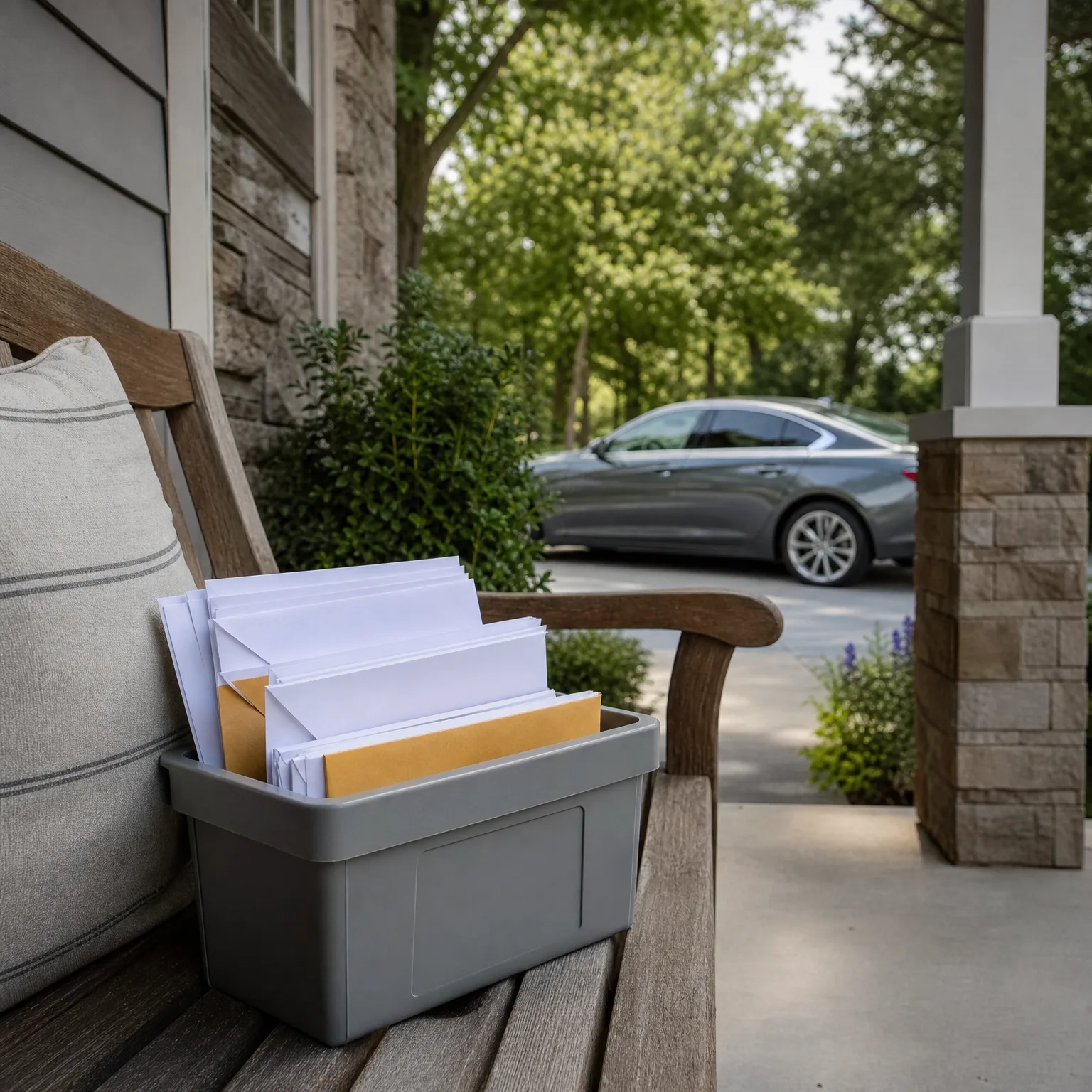
Ask your agent or insurer directly whether they offer a low mileage discount or a pay-per-mile option, and how they verify the mileage. Some want an odometer reading at renewal. Some use a plug-in device or an app. Without that step, your low mileage might never show up in what you're charged.

How your insurer finds out you drive less
Insurers don't see your actual mileage unless you give it to them or they ask for it. Many policies are still priced off an estimated annual mileage that was entered once, maybe years ago, and never updated.
At your next renewal, ask whether your file lists an accurate mileage estimate. If it still says you commute daily and you retired or stopped commuting, that's costing you. Correcting it is usually as simple as a phone call or a form, but nobody does it for you.
Some insurers offer usage-based programs where a device or app tracks actual miles and driving habits. These can lower your premium further if you drive less and drive carefully, but they also mean your insurer is watching how you brake and when you drive. Decide if that trade is one you want before you sign up.
If your insurer has no mileage-based option at all, that's worth knowing too. It may be a reason to get quotes from companies that do, especially if driving less is now a permanent part of your life rather than a temporary change.
What else Hawaii weighs alongside your mileage
Mileage is one factor, but Hawaii insurers also look at your driving record, the car you drive, and whether you've taken a defensive driving or mature driver course. A clean record over recent years matters more than your age by itself.
Hawaii requires vision screening at license renewal for older drivers, and the renewal cycle can shorten with age. None of that is set by your insurer, it's set by the state, so check with the Hawaii Department of Motor Vehicles or your county's licensing office for the current rules and how often you'll need to renew.
If you've completed a mature driver course, send the certificate to your insurer yourself. Taking the course doesn't change your premium. Your insurer acting on the certificate does, and that step is on you, not automatic.
The car itself still matters too. An older, fully paid-off car with lower repair costs can mean lower premiums regardless of how far you drive it, so if you're also weighing a vehicle change, ask how that would interact with any low mileage savings.
Questions people ask about this
Is there a minimum mileage requirement to qualify for a low mileage discount in Hawaii?
There's no single number, it depends entirely on the insurer. Some set a low annual mileage threshold, others don't use mileage as a straight cutoff at all. Ask your insurer directly what threshold, if any, applies to their discount.
Will my car insurance go up automatically once I turn a certain age in Hawaii?
Not automatically, and not based on age alone. Rate changes are usually tied to your driving record, claims history, or a lapse in coverage rather than your birthday. If your premium rises at renewal, ask your insurer specifically what changed in their pricing for your policy.
Can I drop coverage entirely if I stop driving but keep my car?
You generally still need to carry at least the state minimum liability coverage if the car is registered and kept on the road, even if it's rarely driven. If you're not driving at all and considering storing the car, ask your insurer about a non-operational or storage policy instead of dropping coverage altogether.
Does pay-per-mile insurance cost more if I take occasional long road trips?
It can, since these policies charge based on miles driven, so an occasional long trip adds to that month's cost. Ask the insurer how they cap or average mileage costs, since some have a maximum monthly charge that limits how much one trip can raise your bill.
Should I switch insurers if mine doesn't offer any low mileage options?
That depends on how much you'd actually save elsewhere once you account for your full policy, not just the mileage piece. Get a quote from an insurer that does offer mileage-based pricing and compare the total cost side by side before deciding.
See what insurers in Hawaii would actually charge you for the miles you drive now.
Pull up your current policy and check what annual mileage estimate is on file. Call your insurer or agent and ask whether that number is accurate, and whether they offer a low mileage discount or a pay-per-mile option. If you've taken a mature driver course, send them the certificate this week rather than assuming it was applied. Check with Hawaii's DMV or your county licensing office about your license renewal cycle and any vision test requirement coming up. Then compare a quote from at least one other insurer that prices specifically around low mileage, so you know whether staying put is still your best option.