Car Insurance for Seniors Who Rarely Drive in Illinois
Driving less can lower your premium in Illinois, but you have to tell your insurer, because they won't assume it.
Yes, if your insurer knows how little you drive
Illinois insurers can price a policy based on how many miles you drive each year, but most won't lower your rate automatically just because you're older and driving less. You have to ask about it, and in some cases prove it.
The insurers who offer a real low mileage discount usually want an estimate of your annual mileage, and some will ask to verify it through odometer readings at renewal or through a telematics device you plug in or install on your phone. Whether that trade is worth it depends on how much you'd save against how much you mind being tracked.
How your insurer defines low mileage
There's no single cutoff that counts as low mileage. Each insurer sets its own threshold, and some don't offer this kind of discount at all. The only way to know where you stand is to ask your agent or insurer directly what their threshold is and whether you're under it.
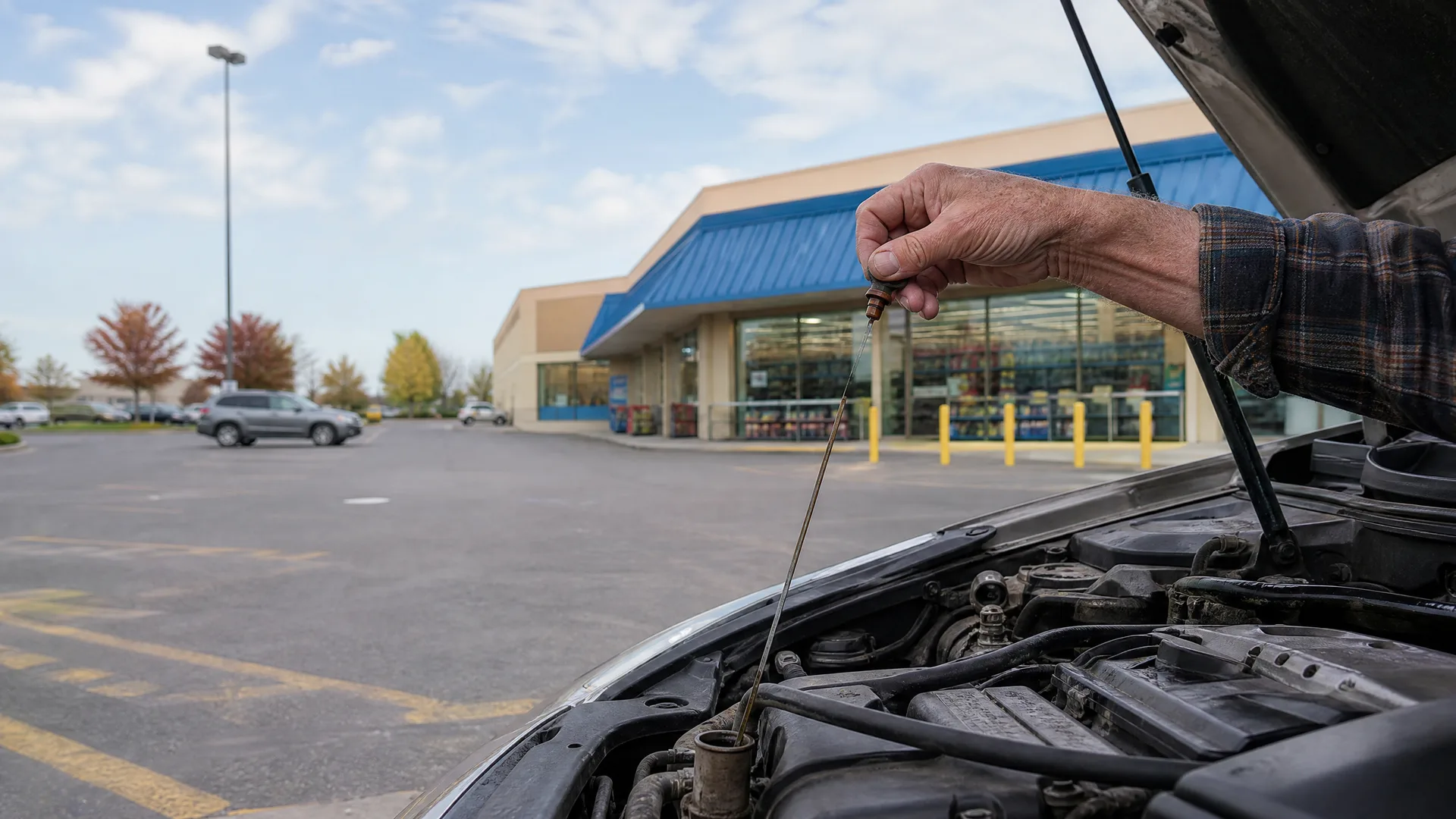
If you're close to a threshold, it's worth thinking about how you'd actually measure your mileage. A rough guess from memory is different from checking your last two oil change receipts or your odometer at the start and end of the year. Insurers who ask for proof usually want something close to the second.
If your driving has dropped recently, because you retired, moved closer to family, or stopped commuting, say so when you call. Your current policy may still reflect an old estimate of how much you drive, and that's worth correcting even outside of a renewal.
What else changes the price besides mileage
Mileage is one factor, not the whole picture. Your driving record, the car you drive, and your coverage choices all still matter, and a clean record over many years often counts for more than a low mileage discount alone.
Some insurers also offer a discount for completing a defensive driving or mature driver course, and that discount can stack with a low mileage one. If you've taken a course like this, check whether you actually sent the certificate to your insurer. Finishing the course doesn't change anything on its own.
The car itself matters too. An older, fully paid off car with lower repair costs can cost less to insure regardless of mileage, especially if you're carrying more coverage than the car's value justifies. It's worth asking your insurer whether dropping comprehensive or collision makes sense for your specific car.
Questions people ask about this
Do I still need full coverage if I barely drive my car?
That depends on what your car is worth and whether you still owe money on it. If it's paid off and worth little, the payout from a comprehensive or collision claim might not be much more than what you'd pay in premiums over a few years, so it's worth asking your insurer to show you the cost difference. If you still have a loan, your lender likely requires you to keep that coverage regardless of mileage.
Will my insurance drop if I give up my car and only drive occasionally?
It depends on how your insurer structures occasional driver policies, since not all of them offer one. Some insurers have a specific low mileage or pleasure use category that costs less than a policy for daily commuting, so ask whether switching your stated use on the policy changes the price.
Can I get a discount for not driving at night anymore?
Some insurers offer discounts tied to telematics programs that track when and how you drive, including whether you avoid night driving, but this isn't a standard discount every insurer offers. If avoiding night driving is a real change in your habits, ask your insurer whether they have a program that rewards it.
Does stopping my commute mean I should change my coverage type?
It might, since commuting distance is one of the factors insurers use to estimate risk and set your premium. If you've retired or stopped a regular commute, update your insurer with your new typical use, whether that's errands, occasional trips, or mostly staying local, since your policy may still be priced for your old routine.
Should I compare insurers now or wait until my renewal date?
You can ask about a low mileage discount at any point, not just at renewal, since your current insurer may be able to adjust your rate mid-term once they have the new information. Comparing other insurers is worth doing closer to renewal, since that's when you can switch without dealing with early cancellation terms on your current policy.
See how insurers in Illinois price a policy for someone who drives as little as you do.
Before you do anything else, figure out roughly how many miles you drive in a year, using an odometer reading or a couple of service records if you have them. Call your current insurer and ask directly whether they offer a low mileage discount, what their threshold is, and what proof they want. Ask at the same time whether a mature driver course discount applies and whether you've actually filed the certificate if you've taken one. Once you know what your current insurer can offer, compare that against quotes from other insurers who ask about mileage, since not all of them weigh it the same way. Keep in mind your driving record and the value of your car will still factor into any quote you get.