Car Insurance for Seniors Who Rarely Drive in Kentucky
Driving less can lower your premium in Kentucky, but only if your insurer knows about it and prices mileage that way.
Yes, if your insurer offers it
A senior in Kentucky who rarely drives can usually get a lower premium, but it doesn't happen on its own. Your insurer has to know how little you drive, and it has to be the kind of company that prices for that.
Some insurers ask your estimated annual mileage when you buy or renew a policy and adjust the premium based on the answer. Others offer a separate low-mileage or usage-based program you have to ask for and sometimes enroll in separately. If your current policy was written years ago and nobody has updated your mileage since, you may be paying for driving you no longer do.
How your insurer counts your mileage
Some companies take your word for your annual mileage. Others want a number from your odometer, checked at renewal or when you take the car in for service. A few use a plug-in device or an app that tracks miles directly, which can confirm low mileage without you having to estimate it.
If your insurer only takes a verbal estimate, call and tell them the number has changed since your last renewal. If they want proof, ask what they'll accept. A service record, an inspection report, or a photo of the odometer are common enough that most insurers will take one of them.
If you stopped commuting, retired, or started driving only for errands and appointments, that's worth reporting even outside your renewal date. Waiting until renewal means paying the old rate until then.
Not every insurer in Kentucky prices this the same way. If yours doesn't offer any mileage-based discount, that's a reasonable thing to ask about when you compare quotes.

What else insurers weigh against low mileage
Driving less helps, but it isn't the only thing your insurer looks at. Your driving record still matters, and a clean one works in your favor regardless of mileage.
Some insurers also offer a discount for completing an approved driver safety or refresher course. Kentucky doesn't require this to keep a license, but it's worth asking your insurer whether they recognize a course and what they need to apply the discount. If you take the course, send them the certificate yourself. Many insurers won't apply it automatically.
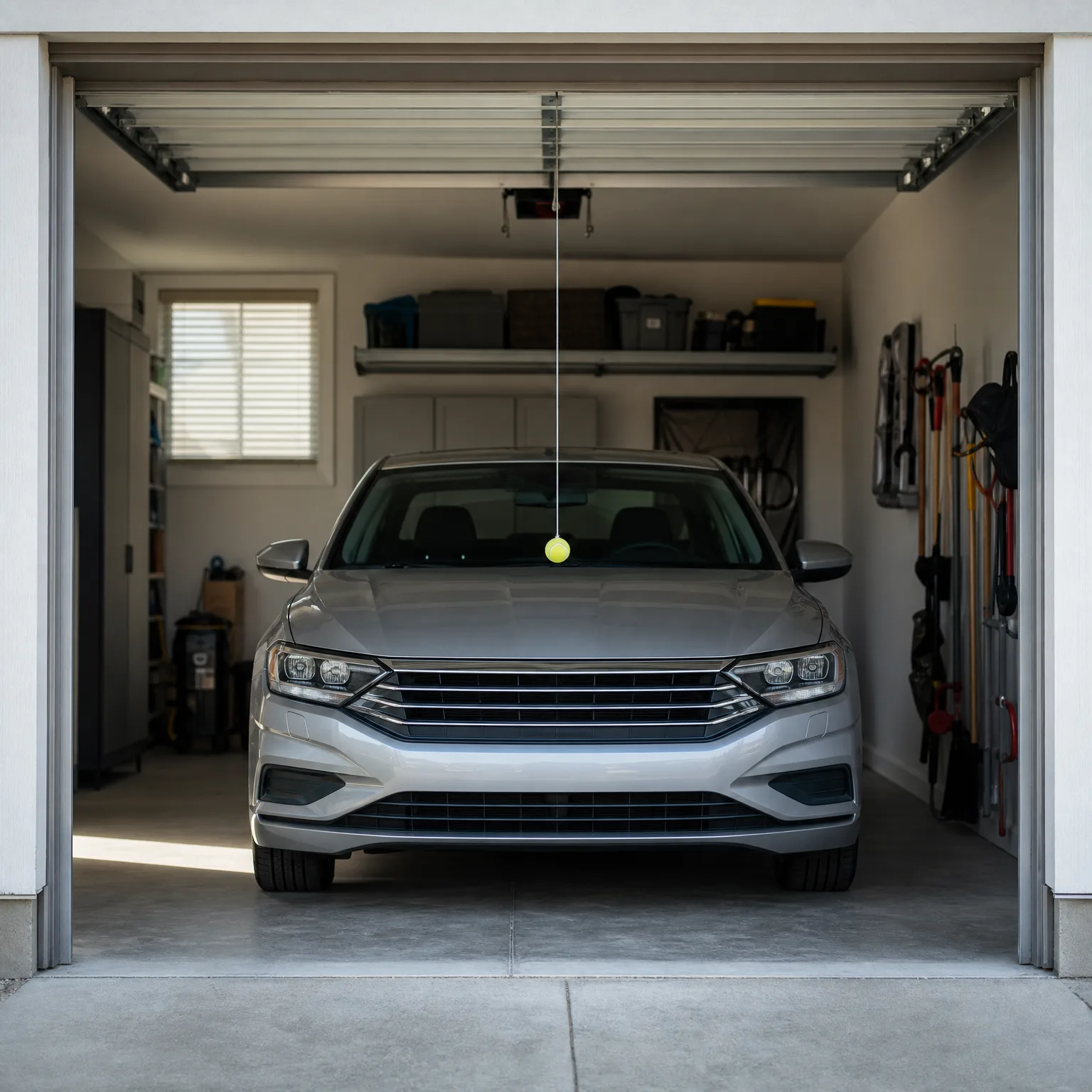
The type of car you drive and how it's used also factor in. A car that sits in a garage most of the week and is used mainly for short local trips is a different risk than one driven daily, and some insurers price that difference even without a formal low-mileage program.
If you're comparing insurers, ask each one directly how they weigh mileage against these other factors. The answer isn't the same company to company.
Questions people ask about this
Does Kentucky require a vision test to renew a driver's license at a certain age?
Kentucky's renewal and vision testing rules are set by the state, not by insurers. Check with the Kentucky Transportation Cabinet or your local circuit court clerk's office for the current renewal requirements tied to age.
Will my Kentucky car insurance go up automatically as I get older?
Not automatically in the way a ticket or an accident would raise it. Age itself is one factor among many, and insurers weigh it differently. Ask your insurer directly how age affects their rates and whether anything else about your policy has changed.
Should I drop collision coverage if I rarely drive?
That depends on your car's value and what you could afford to replace it with on your own. A car driven rarely still carries some risk of damage, from a parking lot incident to weather, so weigh the value of the car against the premium you'd save before dropping it.
Can I insure a car I only drive occasionally for a lower rate than my main vehicle?
Some insurers do offer a lower rate for a secondary or occasional-use vehicle, but the rules for what qualifies vary by company. Ask your insurer how they define occasional use and what proof they need.
What happens to my insurance if I stop driving completely but keep the car registered?
If the car is still registered and insured, you likely still need at least the state's minimum liability coverage to keep it legal to drive, even if you rarely do. If you don't plan to drive at all, ask your insurer about a non-operational or stored-vehicle policy, since the rules and savings vary by insurer.
See what Kentucky insurers would charge based on how little you actually drive.

Pull your last renewal notice and check what mileage estimate it lists. Call your insurer this week and tell them your actual annual mileage, especially if it's dropped since you last updated it. Ask directly whether they offer a low-mileage or usage-based discount, and what proof they need to apply it. If you've taken a driver safety course, send them the certificate yourself rather than assuming they'll look for it. Once you know what your current insurer offers, compare that against quotes from other companies to see whether your mileage is being priced fairly.