
Low Mileage Car Insurance for Seniors in Kentucky
Driving fewer miles can lower your premium in Kentucky, but only if you tell your insurer and ask for the discount by name.
Low mileage discounts exist, but you have to ask for one
Most insurers that sell policies in Kentucky offer some kind of reduced rate for drivers who put fewer miles on their car each year. Retirement often means a shorter commute or no commute at all, and that change in driving is exactly what this kind of discount is built around.
But the discount doesn't apply itself. Your insurer prices your policy based on the mileage estimate you gave them, often years ago, and if you haven't updated it since you retired or cut back on driving, you may be paying for miles you no longer put on the car. The fix is simple but it starts with you calling and giving them a current number.

How your insurer verifies your mileage
Every insurer handles this differently. Some will simply ask you for your current annual mileage and take your word for it. Others want to see your odometer reading, either through a photo, a form, or your car's last inspection or service record.
A growing number of insurers offer a telematics or usage based program instead, where a device or an app tracks your actual mileage and driving habits over time. For a retired driver who genuinely drives less, this can work out better than a flat low mileage discount because the insurer sees the real number instead of an estimate.
If your insurer offers that option, ask how it affects your rate if your mileage goes up one year, for instance if you start driving grandchildren to school or take on more errands for family. Some programs adjust your premium at renewal, others lock in a rate for the policy term.
Whichever method your insurer uses, write down the date you reported your new mileage. If your rate doesn't change by your next renewal, you have something concrete to point to when you call them.

What counts as low mileage in Kentucky
There's no single mileage number that qualifies a driver for this discount. It's set by each insurer, not by the state, and it can vary quite a bit between companies.
This means two insurers can look at the same retired driver, with the same annual mileage, and offer different results. One may have a threshold this driver easily qualifies for. Another may set the bar lower or higher.
Because of that, it's worth asking more than one insurer what their cutoff is before you assume you don't qualify. A driver who was told no by one company might qualify easily with another.
Questions people ask about this
Does retiring automatically lower my car insurance rate?
No, retiring by itself doesn't change your premium. Your insurer only adjusts your rate when you tell them your driving has changed, usually by updating your estimated annual mileage or your commute status. Call your agent or insurer directly after you retire and ask what information they need to recalculate your rate.
Will my rate go up if I start driving more after I retire?
It can, if you reported a low mileage estimate and then significantly exceed it. Insurers that use telematics or mileage verification programs are more likely to catch this than ones that only check mileage at renewal. Ask your insurer how often they review your mileage and what happens if your actual driving is higher than what you reported.
Is a low mileage discount better than a senior discount in Kentucky?
Neither is automatically better, since they're based on different things and some insurers let you have both. A senior discount is usually based on your age, while a low mileage discount is based on how much you drive. Ask your insurer whether these discounts can be combined on your policy.
Do I need to keep proof of my mileage for my insurer?
It depends on the insurer and how they verify your mileage. Some only ask for a self reported number, while others want an odometer photo, a service record, or data from a tracking device or app. Ask your insurer directly what proof they require and keep a copy of whatever you submit along with the date you sent it.
Can I switch to a pay per mile policy instead of a traditional one in Kentucky?
Some insurers that operate in Kentucky offer pay per mile or usage based policies, though not all companies provide this option. These policies charge based on miles actually driven rather than an annual estimate, which can suit a retired driver with a short or irregular driving pattern. Ask any insurer you're considering whether they offer this type of policy in Kentucky specifically.
See which insurers give you credit for driving less before you commit to a renewal.
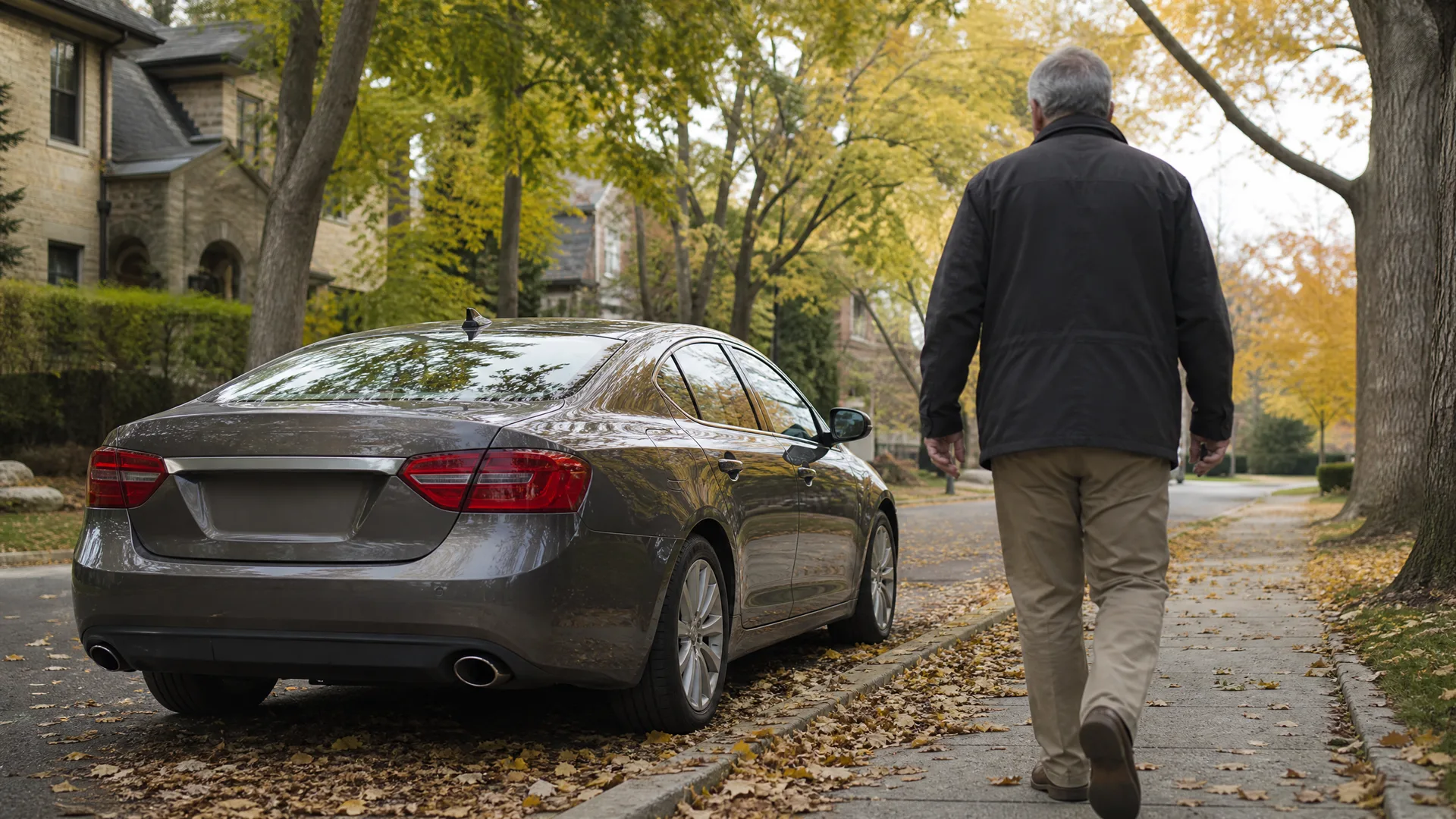
Find your current declarations page and check what annual mileage estimate your insurer has on file. If it's higher than what you actually drive now, call your agent or insurer this week and ask them to update it. Ask directly whether they offer a low mileage discount, what their mileage cutoff is, and whether they need an odometer reading or photo as proof. If you're comparing new quotes, ask each insurer the same questions so you can compare like for like instead of guessing which one offers the better deal.