Car Insurance for Seniors Who Rarely Drive in Maine
Driving less can lower your rate, but only if your insurer knows about it and counts it.
It can lower your rate, but you have to ask
Driving fewer miles a year is one of the things insurers use to set your premium, so a senior who rarely drives has a real case for a lower rate. But no insurer in Maine applies that automatically. Some ask how many miles you drive each year when you get a quote. Others don't ask at all, and your low mileage never factors in unless you bring it up.
This is why the same driver can get very different quotes from different companies. One insurer's form has a box for annual mileage and a lower tier for low mileage. Another prices your policy the same whether you drive every day or once a month. Call your insurer or ask when you get a quote whether annual mileage affects the rate, and if so, what counts as low.
How your insurer defines low mileage
There's no single number that counts as low mileage across the industry. Each insurer sets its own bands, and some don't track mileage closely enough to offer a lower rate for it at all. The only way to know where you stand is to ask the insurer directly what their mileage bands are and which one you fall into.
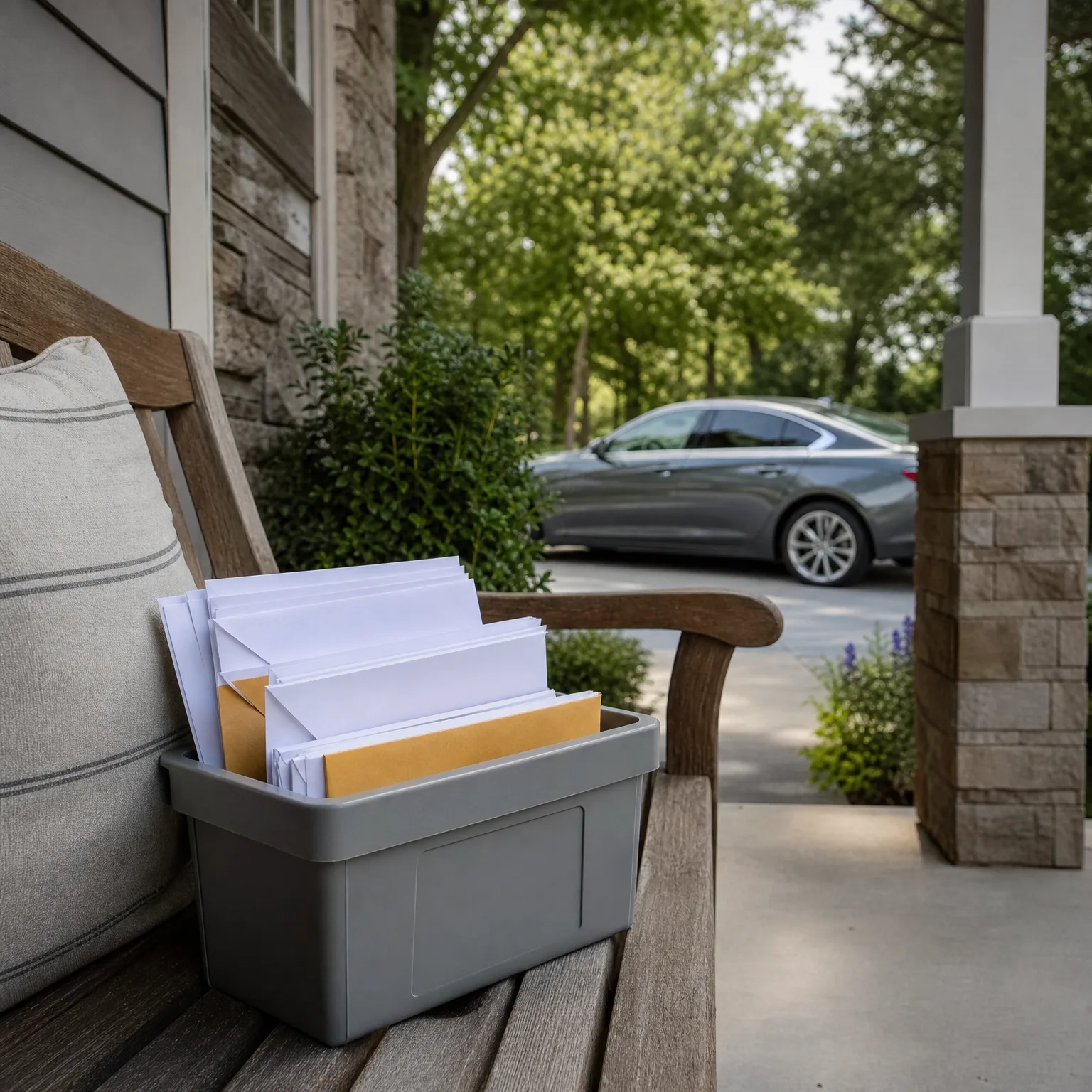
If you're not sure how many miles you drive in a year, check your car's maintenance records or the mileage noted at your last inspection. Maine requires an annual vehicle inspection, and the mechanic usually logs the odometer reading. Comparing two inspections a year apart gives you an honest number instead of a guess.
Some insurers also offer a usage-based program that tracks your actual driving through an app or a device plugged into the car. For someone who drives rarely, this can show the insurer directly rather than relying on an estimate you give them once a year.
What else changes the rate for an older driver
Age affects your rate too, separately from mileage, and the way it affects it depends on the insurer. Some insurers lower rates through a driver's sixties and raise them again later. Others hold steady. There's no rule that applies the same way everywhere, so the only way to know where you stand is to ask.
Your driving record still matters as much as it did at any other age. A long clean record works in your favor regardless of how many miles you drive. If you've taken a defensive driving or mature driver course, ask your insurer whether they give a discount for it and what they need from you. Usually that means sending them the completion certificate yourself. Finishing the course doesn't change anything until the insurer has that piece of paper.
The car itself matters as much as the driving does. An older car that's paid off may not need the same coverage as a newer one. If you're driving it rarely, ask whether dropping collision or comprehensive coverage makes sense given what the car is worth now.
Questions people ask about this
Do I need full coverage if I barely drive my car?
Not necessarily. Whether you need collision or comprehensive coverage depends on what the car is worth and whether you could afford to replace it without that coverage, not on how often you drive it. If the car has little resale value, ask your insurer what dropping that coverage would save and whether it makes sense for your situation.
Can I pause my car insurance if I'm not driving for a while?
Maine requires continuous insurance on a registered vehicle, so you generally can't just pause a policy and keep the car registered. If you won't be driving for an extended stretch, ask your insurer about storage or non-operational coverage, or consider deregistering the car for that period and checking with the Maine Bureau of Motor Vehicles on what that requires.
Does a low-mileage discount affect my liability coverage too?
It depends on the insurer. Some apply a low-mileage discount across your whole policy, others only to specific parts of it like collision or comprehensive. Ask your insurer directly which parts of your premium the discount touches.
Will my rate go up again if I start driving more later?
It can, if your insurer bases part of your rate on mileage and you report a higher number at renewal or they catch a higher mileage at an inspection. Ask your insurer how often they review mileage and whether you're expected to update them if your driving habits change.
Should I switch insurers if mine doesn't offer a low-mileage discount?
That depends on what else your current policy offers and what a new quote would look like overall. A low-mileage discount is one factor among several, including your driving record, the car, and other discounts you may already have. Comparing full quotes, not just the mileage discount, gives a clearer answer.
See what insurers in Maine would charge you based on how little you actually drive.
Before you renew or shop for a new policy, write down your actual annual mileage using your last two inspection records. Call your current insurer and ask directly whether mileage affects your rate and what their low-mileage threshold is. If you've taken a mature driver course, send them the certificate now rather than assuming it's on file. Then get a few quotes and ask each insurer the same mileage question, since the answer won't be the same from one company to the next.