Car Insurance for Seniors Who Rarely Drive in Oregon
Driving less can lower your rate in Oregon, but you have to tell your insurer, because they won't assume it.
Yes, if your insurer counts low mileage as lower risk
Oregon doesn't require insurers to discount a policy for low mileage, but most offer some version of it, either as a low-mileage discount or a usage-based program that tracks actual miles driven. If you're retired and running errands a few times a week instead of commuting, you likely qualify for something.
The catch is that insurers don't lower your rate automatically just because you're older and driving less. You have to tell them your estimated annual mileage, and some will ask you to confirm it with an odometer reading or a photo. If your policy still shows a commute you no longer make, you're probably paying for miles you don't drive.

How your insurer estimates your mileage matters more than your age
Insurers set your rate based partly on how many miles they expect you to drive in a year. That number usually comes from what you told them when you bought the policy, not from anything they've checked since. If you switched from a daily commute to occasional trips to the store or to see grandchildren, your file may still reflect the old estimate.
Call your insurer and ask them to update your annual mileage. Some will ask how you arrived at the number, so a rough count of your regular trips, plus a buffer for occasional longer drives, is enough. A few insurers will send a device or app that tracks your actual mileage and adjusts your rate based on what it records, rather than an estimate.
This matters more than your age by itself. A 70-year-old who drives rarely and a 70-year-old who still commutes every day are different risks to an insurer, even though the state treats their licenses the same way.
If you share a car with a spouse, or drive a second car only occasionally, mention that too. Insurers sometimes have a separate rate for a car that's driven by someone else most of the time.
What your driving record and vision test still decide
Low mileage helps, but it doesn't erase the effect of your driving record. A recent ticket or claim still counts against you, regardless of how little you drive. If your record is clean, ask whether your insurer has a separate discount for that, since it can often be combined with a low-mileage discount.
Oregon doesn't set a blanket age at which drivers face new testing requirements, and vision tests at renewal are handled by the DMV rather than your insurer. If your license renewal involves a vision test, passing it doesn't change your insurance rate directly, but losing your license obviously would. Keep your license current and your insurer informed of any restrictions placed on it, such as daylight-only driving, since that's a detail they may ask about.
Some insurers also offer a discount for completing an approved defensive driving or mature driver course. If you take one, the discount isn't automatic. You usually have to send the insurer your completion certificate yourself.
Questions people ask about this
Does Oregon require a vision test to renew a license at a certain age?
Oregon's DMV sets its own renewal and vision testing rules, and they can change, so check directly with Oregon DMV for the current requirement tied to your age. This is separate from anything your insurer asks of you.
Will my rate go up if I stop driving and let my policy lapse?
Most insurers view a lapse in coverage as a red flag, not a sign of lower risk, so it can raise your rate rather than lower it. If you're driving less but still own the car, ask your insurer about a low-mileage or pay-per-mile option instead of dropping coverage.
Can I remove collision coverage if I rarely drive in Oregon?
You can, but it depends on whether your car is paid off and whether you could afford to replace or repair it without that coverage. If you still have a loan or lease, your lender likely requires you to keep it regardless of how little you drive.
Does switching to a pay-per-mile policy work well for occasional drivers?
It can, since you pay based on miles actually driven rather than an estimate, which often benefits someone who drives rarely. Not every insurer offers it in Oregon, so ask yours directly whether it's available and how it compares to a standard low-mileage discount.
Should I tell my insurer if I only drive to medical appointments and errands?
Yes, because insurers set your rate partly on expected use, and errands or medical trips usually count as lower-risk driving than a daily commute. Describing your actual driving pattern, rather than leaving an old estimate on file, gives them accurate information to rate you on.
See how insurers in Oregon price a policy for someone who drives as little as you do.
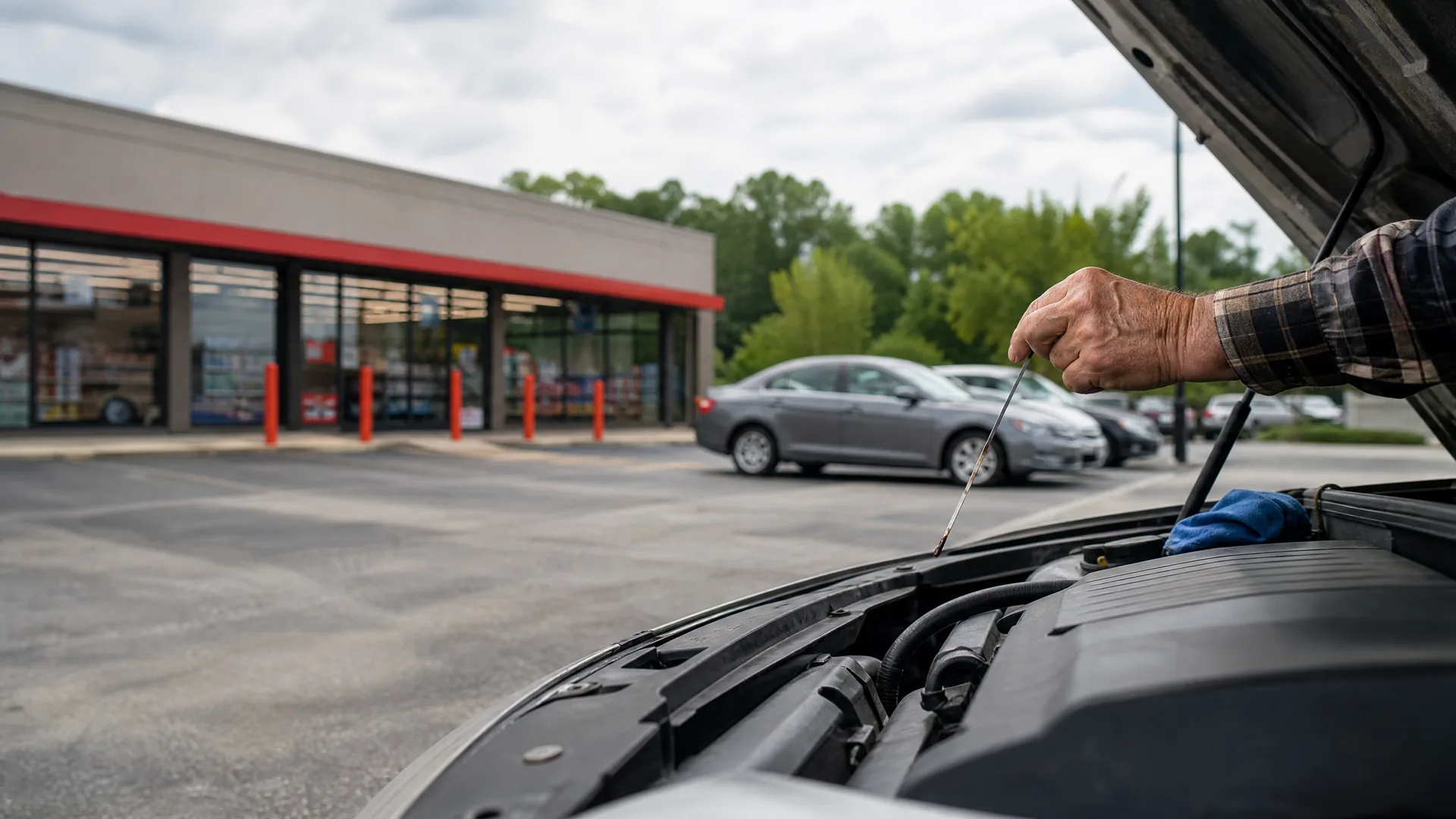
Pull up your current policy and check what annual mileage it lists for you. Write down your actual driving pattern instead, including regular trips and a rough estimate for occasional longer ones. Call your insurer and ask them to update that number, and ask directly whether they offer a low-mileage discount or a pay-per-mile program. If you've taken a mature driver course recently, find the completion certificate and send it in, since it won't apply on its own. Then compare what your insurer offers against a couple of other quotes to see whether your current company is actually pricing you for the driving you do now.