Car Insurance for Seniors Who Rarely Drive in South Dakota
Driving less can lower your premium in South Dakota, but only if your insurer knows about it.
Yes, low mileage usually helps
Insurers price a policy partly on how much risk your car represents, and a car that sits in the garage most days is a smaller risk than one on the road every morning. If you've cut back on driving, whether that's retirement, a shorter commute, or just not going out as much, you may qualify for a lower rate than you're paying now.
But nobody lowers your premium automatically because you drive less. You have to tell your insurer, and in some cases prove it. What that proof looks like, and how much difference it makes, depends on the insurer and sometimes on the type of policy they offer.
How your insurer finds out you drive less
Most insurers ask for an estimated annual mileage when you buy a policy, and that number affects your rate. If your driving has dropped since then, your file might still show the old estimate, which means you could be paying for miles you no longer drive.
Call your insurer and ask them to update your mileage estimate. Some will take your word for it. Others may ask for an odometer reading, a photo, or a note from your mechanic after a routine service visit.
A few insurers offer usage-based programs that track actual mileage through an app or a small device plugged into your car. These can work well for a low-mileage driver, but read how the program affects your rate if your driving increases again, say during a visit from grandchildren or a longer trip.
What else your insurer is weighing alongside mileage
Mileage is one factor, not the whole picture. Your driving record still matters, and so does the car itself. An older, fully paid-off car often costs less to insure regardless of mileage, which is worth knowing if you're deciding whether to keep comprehensive and collision coverage at all.
Some insurers offer a separate discount for completing a defensive driving or mature driver course, and that discount can stack with a low-mileage adjustment. The course itself doesn't change your rate. You have to send the insurer the completion certificate afterward.
If you stop driving almost entirely, ask your insurer what a reduced-use or storage policy would cost compared to standard coverage. Dropping to the state's minimum liability coverage is another option some people consider, though that trades a lower premium for less protection if something does happen.
Questions people ask about this
Will my insurance go up if I start driving more again later?
It can, if you report a higher mileage estimate or if a usage-based program shows more driving than before. Ask your insurer how often they reassess mileage and whether you need to update them yourself when your driving changes.
Does low mileage insurance exist as its own policy type?
Some insurers offer pay-per-mile or usage-based policies built specifically for low-mileage drivers, while others simply adjust a standard policy based on your estimated annual mileage. Ask what each insurer you're comparing actually offers, since the names and structures vary.
Do I need to prove how many miles I drive?
Some insurers take your estimate at face value, and others ask for an odometer photo or a mechanic's note. Ask your insurer directly what proof they require before you count on a lower rate.
Should I drop collision coverage if I rarely drive?
That depends on your car's value and how much you could afford to pay out of pocket if it were damaged or totaled. Ask your insurer what collision coverage currently costs you and weigh that against your car's worth.
Can I insure a car I only drive occasionally for errands and appointments?
Yes, a car used occasionally can still be insured as your everyday vehicle, you just report a lower estimated mileage. If the car is driven so rarely it's closer to being stored, ask your insurer whether a reduced-use policy would cost less.
See how insurers in South Dakota price a policy for your actual driving.
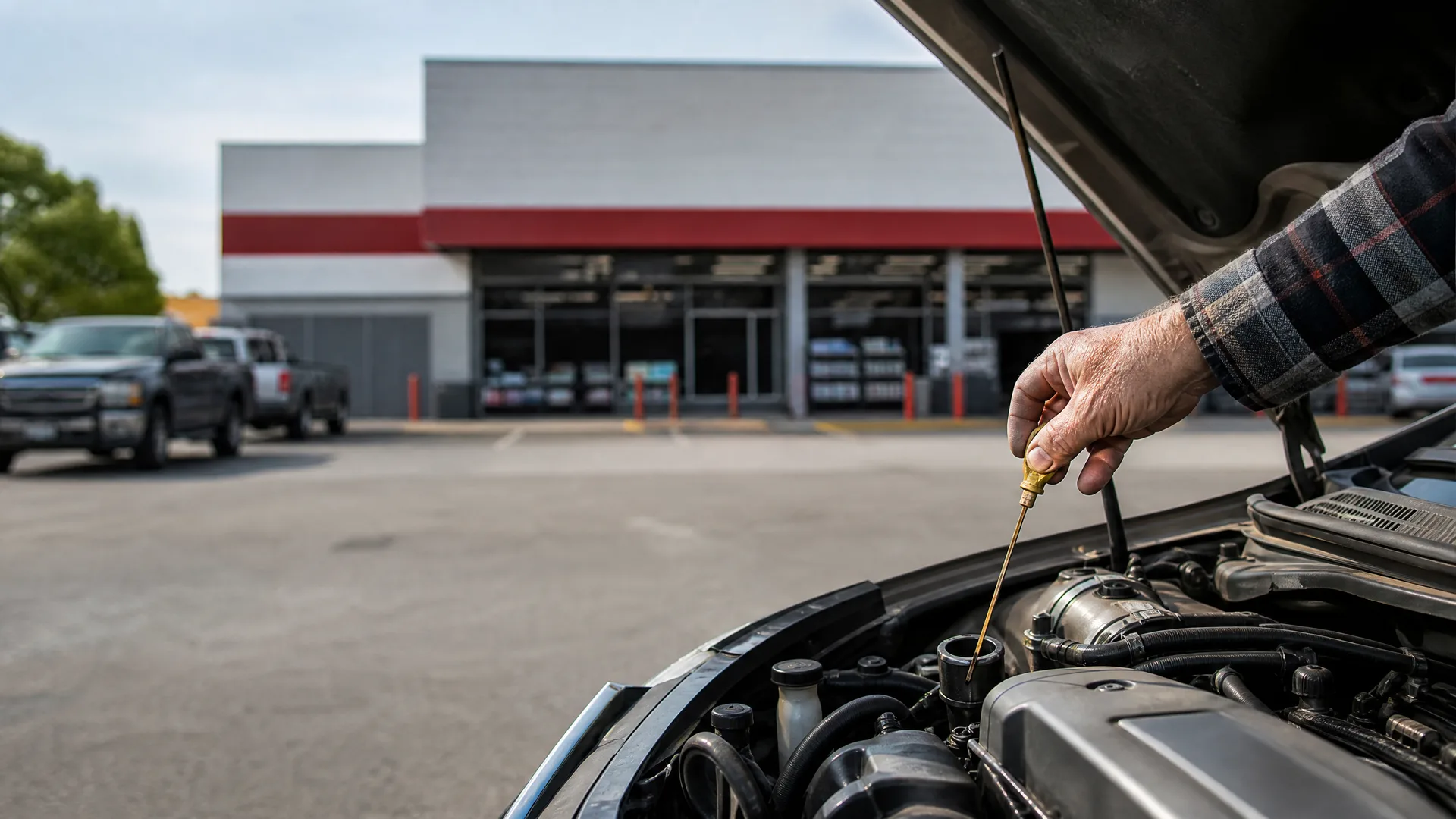
Check your odometer and estimate how many miles you've driven in the past year, since that number is what your insurer will want. Call your current insurer and ask them to update your mileage estimate, and ask directly whether that lowers your premium. If you've taken a defensive driving course, find the completion certificate and send it in, since it won't apply on its own. While you're comparing, ask each insurer what proof of mileage they require and whether they offer a usage-based or reduced-use option. Have your policy details and driving record on hand before you call, since that speeds up the conversation.