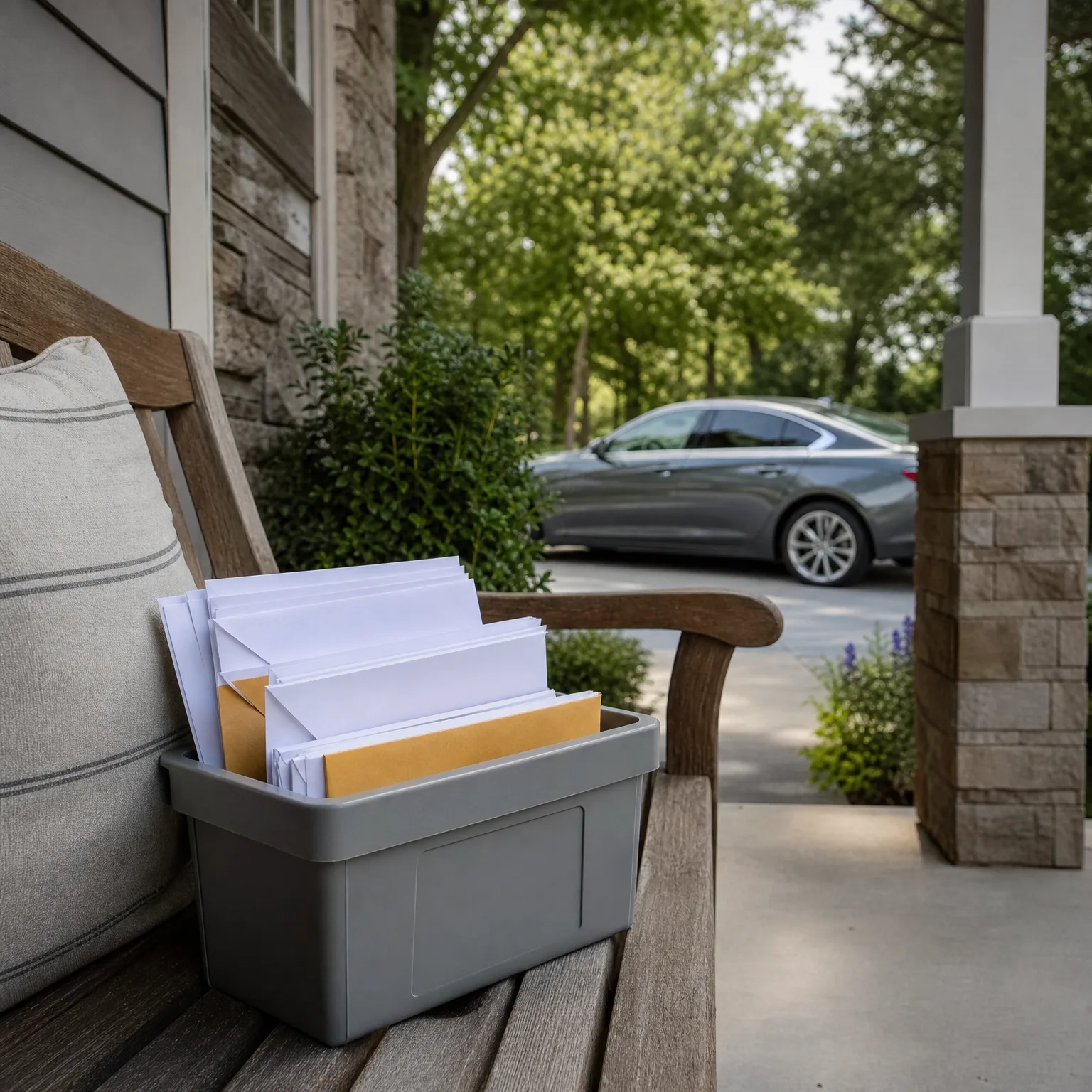
Car Insurance for Seniors Who Rarely Drive in Tennessee
Driving less can lower what you pay in Tennessee, but only if you tell your insurer how little you actually drive.
Yes, low mileage usually works in your favor
Insurers price a policy partly on how often the car is on the road, because a car that sits in the garage most days has fewer chances to be in an accident. If you've cut back on driving since retiring or moving closer to what you need, that's worth reporting.
The effect on your premium depends on your insurer and on how you report your mileage. Some ask you to estimate annual miles when you renew. Others offer a program that tracks actual mileage through an app or a device. Ask your agent which approach your company uses, since the answer isn't the same everywhere.

How your insurer finds out you drive less
Nobody lowers your rate automatically because you're older or retired. Your insurer only knows your mileage if you tell them, and many policies still show an estimate from years ago, back when you were commuting or driving the grandkids around.
Call your agent and ask to update your annual mileage estimate. Some companies will ask how you arrived at the number, so it helps to check your odometer against a service receipt or an old inspection record if you have one.
If your insurer offers a low mileage or usage based program, ask what it requires. Some just need your estimate. Others install a tracking device or use an app on your phone for a set period. Ask what happens to your rate afterward, since some programs only apply a discount, and others reprice your whole policy based on what they recorded.
If you drive a second car only occasionally, ask whether it qualifies for a separate low mileage or occasional driver rating. Some insurers price each vehicle on a policy differently.

What else matters alongside your mileage
Mileage is one factor, not the only one. Your insurer also looks at your driving record, the car itself, and in many states, your age.
Some states let insurers raise rates as drivers get older, treating age like any other risk factor. Other states limit or prohibit that. Whether your age works for or against you is set by Tennessee's insurance regulations, so ask your agent directly whether your age affects your rate here, and if so, how.
A clean driving record still carries weight no matter how little you drive. If you haven't had a violation or a claim in years, mention that when you ask about your rate, since it may not be reflected if your insurer hasn't reviewed your file recently.
The car matters too. An older car that's paid off may no longer need the same coverage you carried when it was financed. Ask your agent whether dropping collision or comprehensive makes sense now, especially if the car is worth less than what a year or two of that coverage would cost.
Questions people ask about this
Should I drop comprehensive coverage if I rarely drive?
That depends on what your car is worth and what you'd lose if it were stolen or damaged while parked. Ask your agent for the car's current value and compare that to what comprehensive costs you over a year. If the car is older and worth little, dropping it may make sense. If it's newer or you'd want to replace it quickly, keeping it might matter more than the mileage.
Will my insurance drop if I stop driving completely?
Not driving at all is different from driving rarely, and it changes what coverage you need. If the car is still registered and parked somewhere accessible, you likely still need some liability coverage in Tennessee. Ask your agent whether a stored car policy or a non-operational status is available if the car truly won't be driven.
Does giving up my license lower my insurance costs?
If you no longer drive at all, you likely don't need a policy in your name, though a spouse or household member who still drives may need to be listed as the primary driver. Ask your agent what happens to the policy if you're removed as a driver, since the household's rate could change based on who's left on it.
Can I get a discount for taking a defensive driving course?
Many insurers offer this discount to older drivers, but you usually have to send proof after you finish, since the course provider doesn't report it for you. Ask your agent whether Tennessee requires the course to be state-approved and how long the discount lasts once it's applied.
How often should I update my mileage estimate with my insurer?
Any time your driving habits change meaningfully, rather than waiting for renewal. If you retired, moved, or stopped a regular errand or commute, that's worth a call. Insurers vary in how often they ask you to confirm mileage, so check with yours rather than assuming it updates on its own.
See how insurers in Tennessee price a low mileage policy for you.
Check your car's odometer and figure out roughly how many miles you've driven this year, then compare that to the estimate on your current policy. Call your agent and ask them to update it if the numbers are different. Ask at the same time whether your insurer offers a low mileage or usage based program, and what it requires from you. If your car is older, ask whether your comprehensive and collision coverage still make sense given what the car is worth today. Bring these answers with you when you compare quotes, since a new insurer will need the same mileage and coverage details to give you an accurate price.