Car Insurance for Seniors Who Rarely Drive in Washington
Driving less can lower your rate in Washington, but you have to tell your insurer, because they won't assume it.
Yes, if your insurer knows how little you drive
Insurers in Washington price a policy partly on how much you're expected to drive each year. If you rarely drive, you're a smaller risk to them, and that can mean a lower premium. But that only happens if your insurer actually has your real mileage on file.
Most policies are written using an estimate you gave years ago, or one the agent guessed at. If that estimate is high and your driving has dropped off since, you're paying for miles you don't put on the car. The fix isn't complicated, but it doesn't happen on its own.
Your actual annual mileage
Call your insurer and ask them to update your estimated annual mileage. Some companies ask for this number at renewal anyway, but not all of them check it closely, so a number that's stale can sit on your policy for years.
If you're not sure what to tell them, look at your last two oil change receipts or inspection records. They usually show odometer readings, and the difference between them is your real annual mileage.
Some Washington insurers also offer a low mileage discount specifically, separate from the general rate your mileage estimate produces. Ask whether that discount exists on your policy and what mileage threshold qualifies for it.
If your car sits most of the year, ask about usage based or pay per mile coverage too. Not every insurer offers it, but for a driver who's genuinely putting on few miles, it can price the policy more accurately than a flat annual rate.
What else your insurer is weighing besides mileage
Mileage is one factor, but your age and driving record still carry weight in the rate, and they can work against a low mileage discount or alongside it. A clean record over many years usually helps regardless of how much you drive.
Washington allows insurers to consider age in setting rates, and some insurers apply their own cutoffs or adjustments for older drivers that have nothing to do with mileage. That's set by each company, not the state, so ask your insurer directly how your age factors into your specific rate.
If you've taken a defensive driving or mature driver course, ask whether your insurer gives a discount for it. That's separate from the mileage question, but it's another place a low mileage driver can often find savings, and it's easy to miss if nobody brings it up.
Questions people ask about this
Does Washington require a minimum amount of driving to keep a policy active?
No. Washington doesn't set a minimum mileage to maintain car insurance. You can insure a car you drive rarely or not at all, as long as you keep it registered and insured under state requirements.
Should I drop collision coverage if I barely drive the car?
That depends on the car's value and whether you'd want it repaired or replaced after an accident, not on how often you drive it. A car that sits most of the year can still be hit while parked or in the rare trip you take. Ask your insurer what dropping collision would actually save you before deciding.
Can I insure a car I only drive seasonally in Washington?
Yes, most insurers can set up a policy for a car that's driven only part of the year, but the details vary by company. Ask whether they offer a seasonal or reduced-use policy and what happens to your coverage during the months you're not driving.
Will switching to usage based insurance affect my privacy or rates later?
It depends on the insurer and the device or app they use to track mileage. Ask exactly what data they collect, how long they keep it, and whether your rate can go up as well as down based on what it shows before you sign up.
Does a low mileage discount disappear if I start driving more later?
It can, since the discount is based on the mileage estimate you gave. If your driving increases, let your insurer know, because an estimate that's too low can cause problems if you ever file a claim.
See what insurers in Washington would charge a driver with your mileage and record.
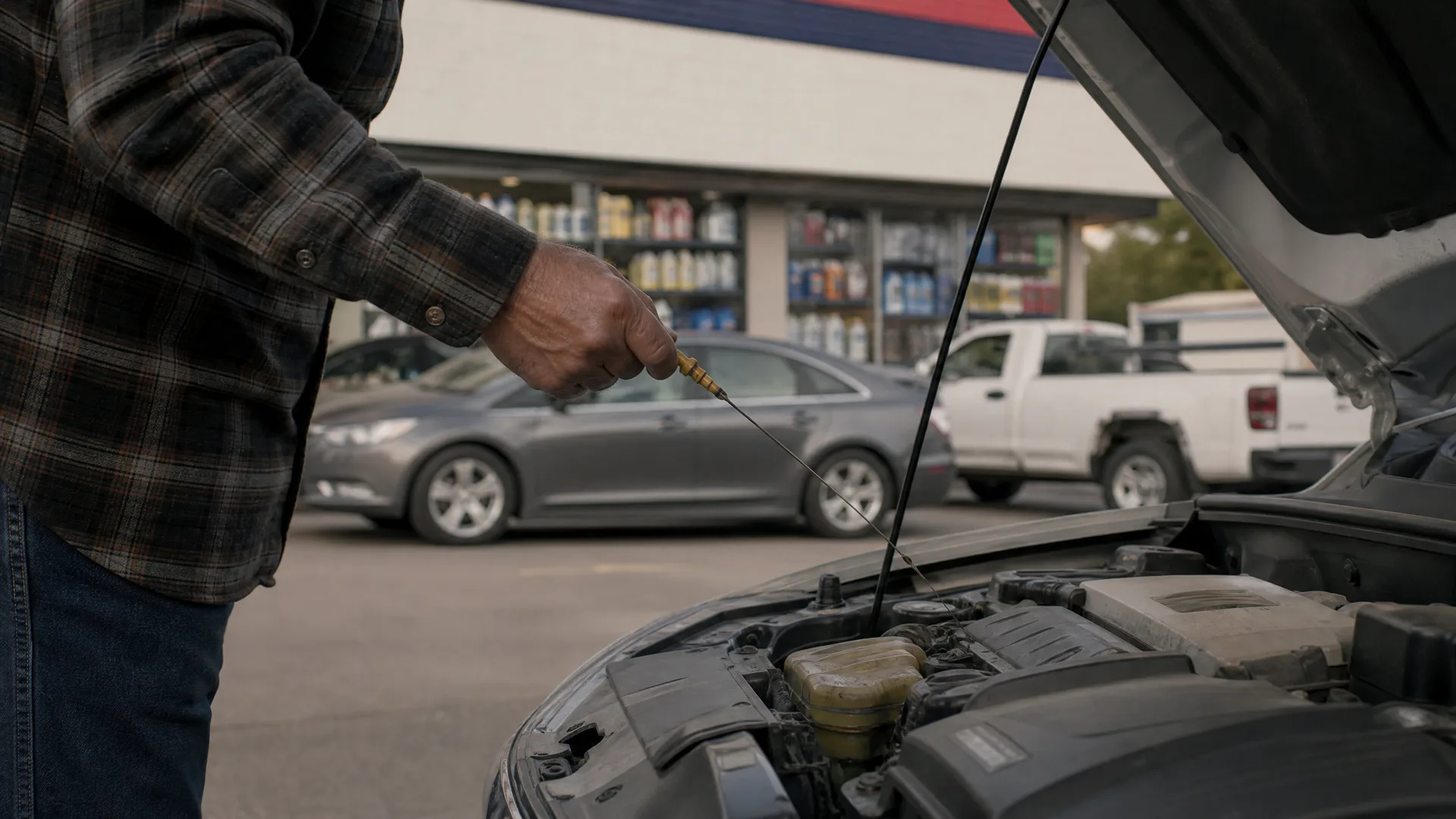
Pull your last couple of odometer readings this week, from an oil change slip or inspection record, and work out your actual annual mileage. Call your current insurer and ask them to update that number on your policy, and ask directly whether they offer a low mileage or usage based discount. Ask about any mature driver course discount at the same time, since it's easy to handle both in one call. Once you know what your current insurer would charge with accurate numbers, compare that against quotes from other companies to see where you actually stand.