Low Mileage Car Insurance for Seniors in Arizona
Arizona insurers do offer lower rates for seniors who drive fewer miles, but you have to ask for it and prove your mileage.
Low mileage discounts are real, but they're not automatic
Driving fewer miles each year can lower your premium in Arizona, because insurers price risk partly on how much time you spend on the road. If you've retired, cut back on commuting, or started driving less for any reason, you may qualify for a discount you're not currently getting.
The amount you save and how you prove your mileage depends on the insurer. Some ask you to estimate your annual mileage when you set up or renew your policy. Others use an odometer reading or a telematics device that tracks your actual miles. None of this happens on its own. You usually have to tell your insurer your mileage has dropped and ask what they need to confirm it.
How your insurer verifies your mileage changes what you need to do
Some Arizona insurers take your word for your annual mileage estimate when you renew. Others want documentation, like an odometer photo, a service record, or a reading taken during an inspection. A few offer a plug-in device or an app that tracks your actual driving and adjusts your rate based on real data rather than an estimate.
If your insurer relies on self-reported estimates, call them directly and update the number. If they require proof, ask what counts, because a repair shop receipt or an oil change record often has the odometer reading already on it.
If you've retired recently or stopped a long commute, your mileage may have dropped enough to matter, but your policy won't reflect that until you report it. Insurers don't lower your rate based on guessing that your driving has changed.
What most people get wrong about qualifying
A low mileage discount usually means driving under a certain threshold set by the insurer, not just driving less than you used to. Two people who both cut their mileage in half might land on different sides of that line, so a modest reduction isn't always enough.
The threshold itself is set by the insurer, not the state of Arizona, so it's worth asking your insurer directly what number they use rather than assuming it matches what you've heard from a friend or another company.
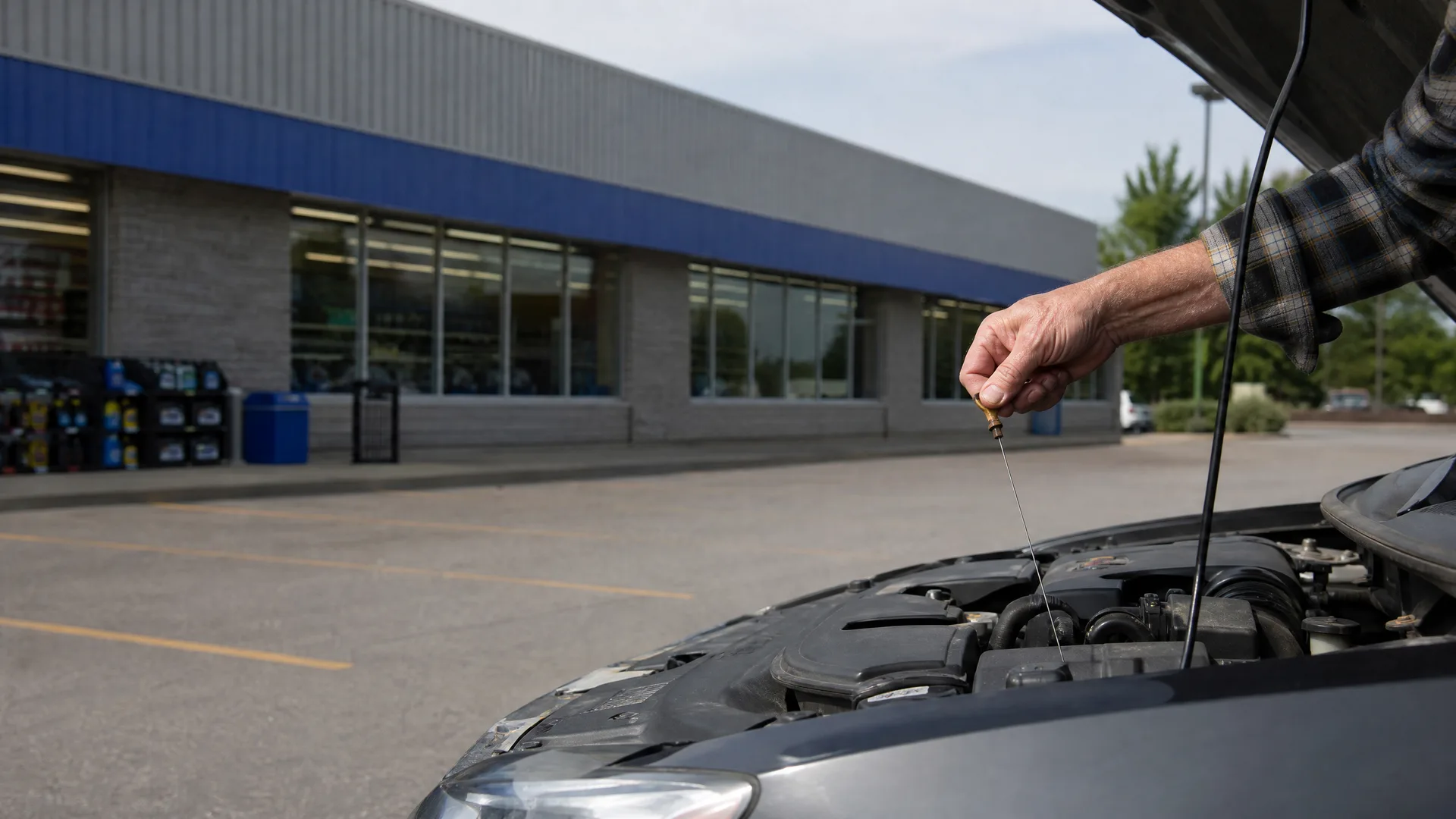
It's also easy to underestimate your own mileage. If you still drive to medical appointments, visit family, or make regular trips during the year, those add up. Before you report a number, it helps to check your actual odometer against what it read a year ago rather than guessing.
Questions people ask about this
Does Arizona require insurers to offer a low mileage discount to seniors?
No, Arizona doesn't require this discount. It's something individual insurers choose to offer, so availability and terms vary by company. If your current insurer doesn't offer one, another company might.
Will my rate go up if I report higher mileage later?
It can, because mileage is one factor insurers use to set your premium. If your driving increases again, for a longer commute or more frequent trips, it's worth telling your insurer so your policy reflects your actual risk, rather than waiting until a claim raises the question.
Can I get a low mileage discount if I still drive every day?
It depends on how many miles those daily trips add up to over a year, not whether you drive daily. Someone who drives a short distance every day can still qualify if their total annual mileage falls under the insurer's threshold.
Does giving up my car entirely lower my insurance more than a mileage discount?
Dropping coverage entirely isn't the same as reducing mileage, and it carries its own consequences, including a lapse in coverage history that can affect your rate if you insure a car again later. If you still drive occasionally, ask your insurer about a low mileage or usage based policy instead of canceling.
Do I lose the low mileage discount if I take a long road trip?
A single trip usually won't disqualify you, since insurers look at your mileage over the full year rather than any one drive. If a trip pushes your annual total over the insurer's threshold, though, it could affect your discount at renewal, so it's worth checking with your insurer if your travel habits change.
See what Arizona insurers would charge you based on how much you actually drive.
Pull up your current odometer reading and compare it to what it was a year ago, since that gives you your real annual mileage rather than a guess. Call your current insurer and ask whether they offer a low mileage discount, what threshold applies, and what proof they need. If you have service records or inspection reports with odometer readings on them, keep those handy. Ask whether they use self-reported mileage or a tracking device, since that changes what you'll need to do going forward. If your current insurer doesn't offer a discount that fits your driving, compare quotes from other Arizona insurers to see whether you'd come out ahead switching.