Low Mileage Car Insurance for Seniors in Idaho
Idaho insurers will often lower your premium for driving less, but only if you tell them how much you actually drive.
Yes, if you report your mileage
Idaho drivers who put fewer miles on their car each year can usually get a lower premium, including seniors. The discount exists because an insurer's risk is tied partly to how often your car is on the road, not just your age.
It doesn't happen automatically. Your insurer sets a mileage estimate when you first buy the policy, and if you never update it, you're paying as if you still drive the way you used to. Retirement, a shorter commute or giving up a daily drive are all reasons your real mileage might be lower than what's on file.
How your insurer finds out your mileage
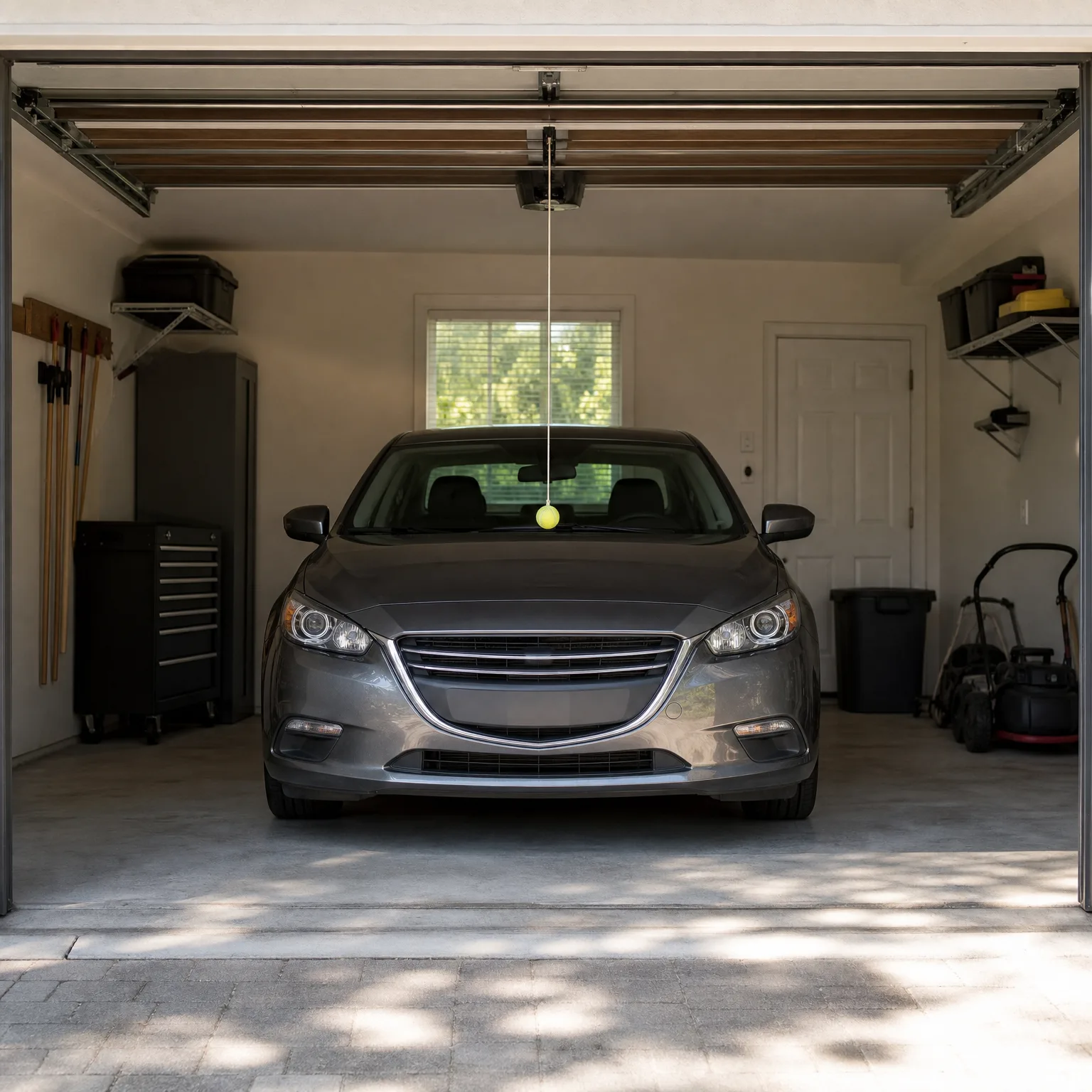
Some insurers ask you to estimate your annual mileage once a year or at renewal. Others want an odometer reading, a photo of your dashboard, or a note from your last oil change receipt showing the mileage at that visit.
A few companies offer a telematics device or app that tracks your actual driving and adjusts your rate automatically. That approach can work well for someone who drives even less than they think, but it also means the insurer sees your driving patterns, not just your yearly total.
If you've never been asked how many miles you drive, that doesn't mean your insurer isn't using an outdated estimate. It likely means no one asked you to correct it. Call and ask directly what number they have on file for you.
What counts as low mileage is set by each insurer, not by the state, so the threshold that earns a discount with one company might not with another.
What trips up seniors applying for this discount
The most common mistake is assuming the discount applies because you're retired. Retirement often lowers mileage, but the insurer needs the actual number, not the reason behind it.
Another is estimating mileage the way you used to drive years ago, before cutting back. If your last estimate was given when you still worked full time, it's probably too high for how you drive now.
Some drivers also assume a low mileage discount replaces a senior discount or a mature driver course discount. These are usually separate and can often be combined, but you have to ask your insurer whether they stack rather than assume it.
If you share a car with a spouse, the combined household mileage matters too. An insurer may want the total miles on that vehicle, not just the miles you personally drive.
Questions people ask about this
Does giving up my commute automatically lower my car insurance in Idaho?
No, your insurer has to be told. The mileage figure on your policy stays the same until you report a change, so a shorter or eliminated commute only helps once you update it with your insurer.
Will a telematics device raise my rate if I drive carefully but occasionally take long trips?
It depends on how the program measures risk. Some track total miles only, while others also factor in speed, braking or time of day. Ask your insurer exactly what the device measures before enrolling.
Can I switch to a pay-per-mile policy instead of a standard one in Idaho?
Some insurers offer pay-per-mile coverage, but not all companies sell it in every state. Ask any insurer you're considering whether that type of policy is available in Idaho and how the mileage is verified.
Do I need to report mileage changes every year or just once?
That depends on the insurer. Some ask for an updated estimate at every renewal, while others only want to know if your driving changes significantly. Check with your insurer about how often they expect an update.
What happens if my actual mileage ends up higher than what I reported?
Your insurer may adjust your premium going forward once they find out, and in some cases could ask for back payment if the difference is large. It's safer to overestimate slightly than to guess too low.
See which insurers in Idaho reward lower mileage before you commit to a renewal.
Find your most recent oil change receipt or write down your current odometer reading this week. Call your insurer and ask what annual mileage figure they currently have on file for your policy. If it's higher than what you actually drive now, ask them to update it and whether that changes your premium. Also ask whether a low mileage discount can be combined with any senior or mature driver discount you already have. If your current insurer can't offer a meaningful adjustment, compare quotes from other companies using your actual, current mileage.