Low Mileage Car Insurance for Seniors in Indiana
Driving less can lower your premium in Indiana, but only if your insurer offers the discount and you report your mileage to get it.
Yes, if your insurer tracks mileage as a factor
Most insurers in Indiana ask how many miles you drive each year when they set your premium, and driving fewer miles usually brings the premium down. For a senior driver who no longer commutes or has cut back on driving, this can mean a real difference in what you pay.
The discount isn't automatic. Some insurers ask you to estimate your annual mileage at renewal and adjust your rate from that. Others offer a specific low mileage discount you have to ask for or enroll in. The amount of benefit depends on the insurer, so it's worth asking yours directly what they offer and how they confirm your mileage.

How your insurer verifies your mileage matters
Some Indiana insurers take your word for your annual mileage estimate. Others check it against your odometer reading at inspection, or ask you to log it through an app or a plug-in device. If your insurer verifies mileage electronically, you may qualify for savings you didn't know existed just by driving less than you think.
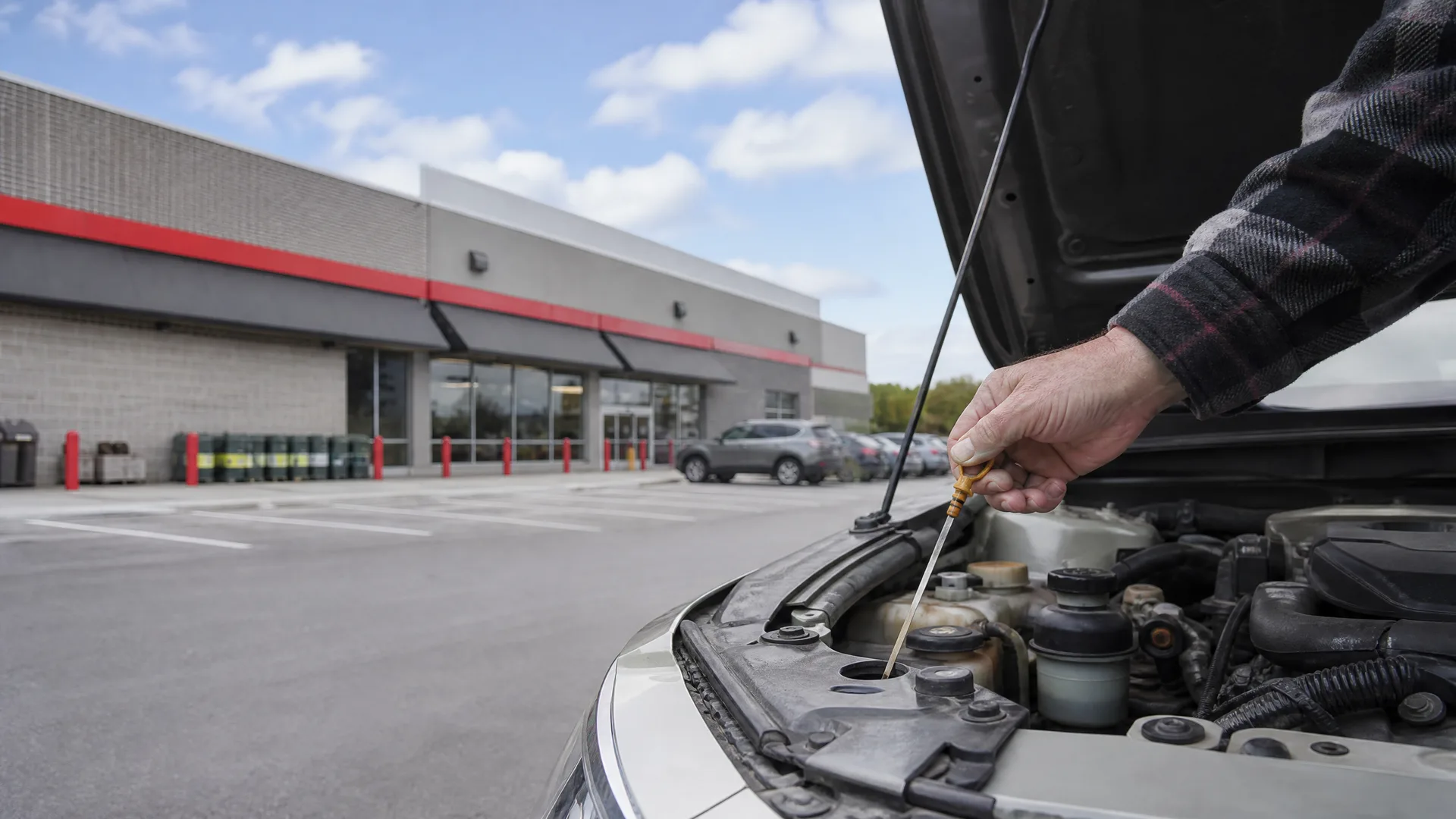
If your insurer relies on your own estimate, the number you give them at renewal matters. An estimate that's too high can cost you the discount even if you actually drove less. Pull your odometer reading from last year's renewal and this year's, and give your insurer an honest number rather than a guess.
A retired driver often drives fewer miles than they assume, because the daily commute that used to make up most of the mileage is gone. Local errands and visits don't add up to nearly as much. It's worth actually checking the odometer before you renew, not after.
If your current insurer doesn't offer a mileage-based discount at all, that's something to ask about directly, since not every company in Indiana structures its rates the same way.
What else changes alongside your mileage
Mileage is one factor, but it sits alongside your driving record, the car you drive, and any other discounts you already qualify for. An insurer that offers a low mileage discount may also offer one for a mature driver course, and the two often stack if you qualify for both.
Dropping your mileage won't offset a recent accident or a lapse in coverage. If your record has changed, that will likely weigh more heavily on your premium than how far you drive.
The car itself still matters too. An older or paid-off car may carry less coverage than it used to, and that affects the premium independent of mileage. If you've already dropped collision or comprehensive, the mileage discount applies to what's left, which may be a smaller amount than it would have been years ago.
Questions people ask about this
Does Indiana require a vision test to renew a license for seniors?
Vision testing rules at renewal are set by Indiana's license agency, not by insurers, so the requirement depends on state rule rather than anything on your policy. Check with the Indiana BMV directly for the current renewal requirements tied to your age.
Will a mature driver course lower my car insurance in Indiana?
Many Indiana insurers offer a discount for completing an approved mature driver course, but you have to send them the completion certificate yourself. Finishing the course alone doesn't change your rate until your insurer has that paperwork on file.
Can I switch to a pay-per-mile policy instead of a standard one?
Some insurers in Indiana offer pay-per-mile or usage-based policies as an alternative to a standard low mileage discount. Whether one is available to you depends on the insurer, so ask whether they offer this option and how the per-mile rate compares to your current premium.
Does giving up my car for a second vehicle change my mileage discount?
Reducing from two cars to one usually changes the mileage estimate for the remaining car, since it may now be used for trips the other car used to cover. Tell your insurer about the change so they can recalculate rather than leaving the old estimate on file.
What happens if I drive more than the mileage I reported?
Insurers generally ask you to update your estimate if your driving habits change significantly, rather than penalizing you after the fact for a small difference. If you expect to drive noticeably more in the coming year, let your insurer know so your coverage and premium reflect it accurately.
See what Indiana insurers would charge you for your actual mileage.
Before you renew, check your odometer reading and compare it to what you reported last year. Call your insurer and ask directly whether they offer a low mileage discount, and if so, how they want you to report or verify your mileage. Ask at the same time whether a mature driver course discount applies and what they need from you to apply it. If your current insurer doesn't track mileage at all, use that answer to decide whether to compare quotes elsewhere. Have your renewal notice and your last two odometer readings in hand before you call.