Low Mileage Car Insurance for Seniors in Maryland
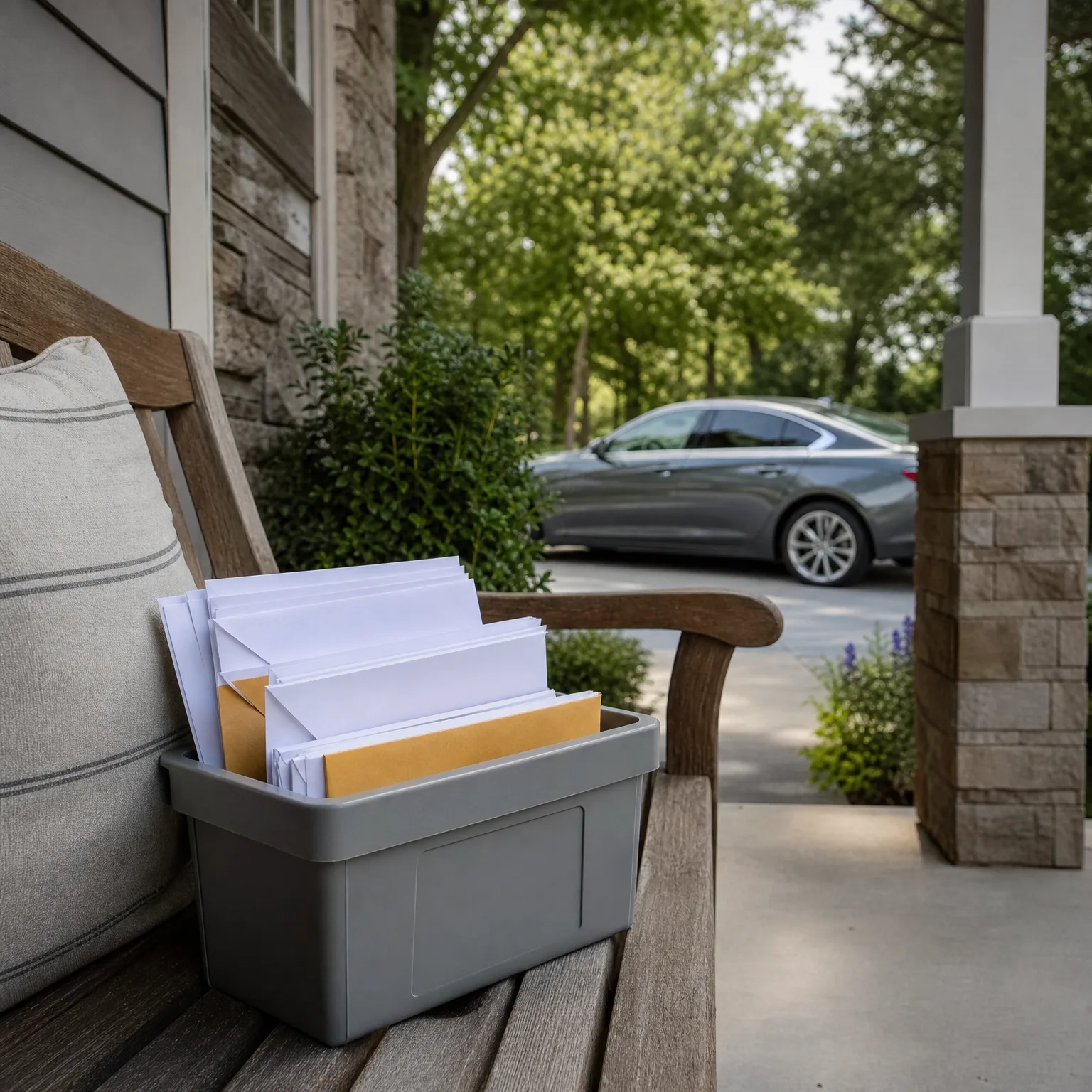
Maryland insurers do offer lower rates for seniors who drive less, but you usually have to ask for it and prove your mileage.
Yes, if you can show your actual mileage
Driving fewer miles lowers your risk in an insurer's eyes, and many companies in Maryland will adjust your premium once you tell them how little you drive. This isn't automatic. It's a discount or a usage-based program you have to ask about or enroll in.
The amount it helps depends on the insurer and how they verify mileage, whether that's your word, an odometer reading at renewal, or a tracking device you plug in or an app you run. Retirement often means less commuting, and that's exactly the kind of change worth telling your insurer about.
How your insurer verifies low mileage changes what you get
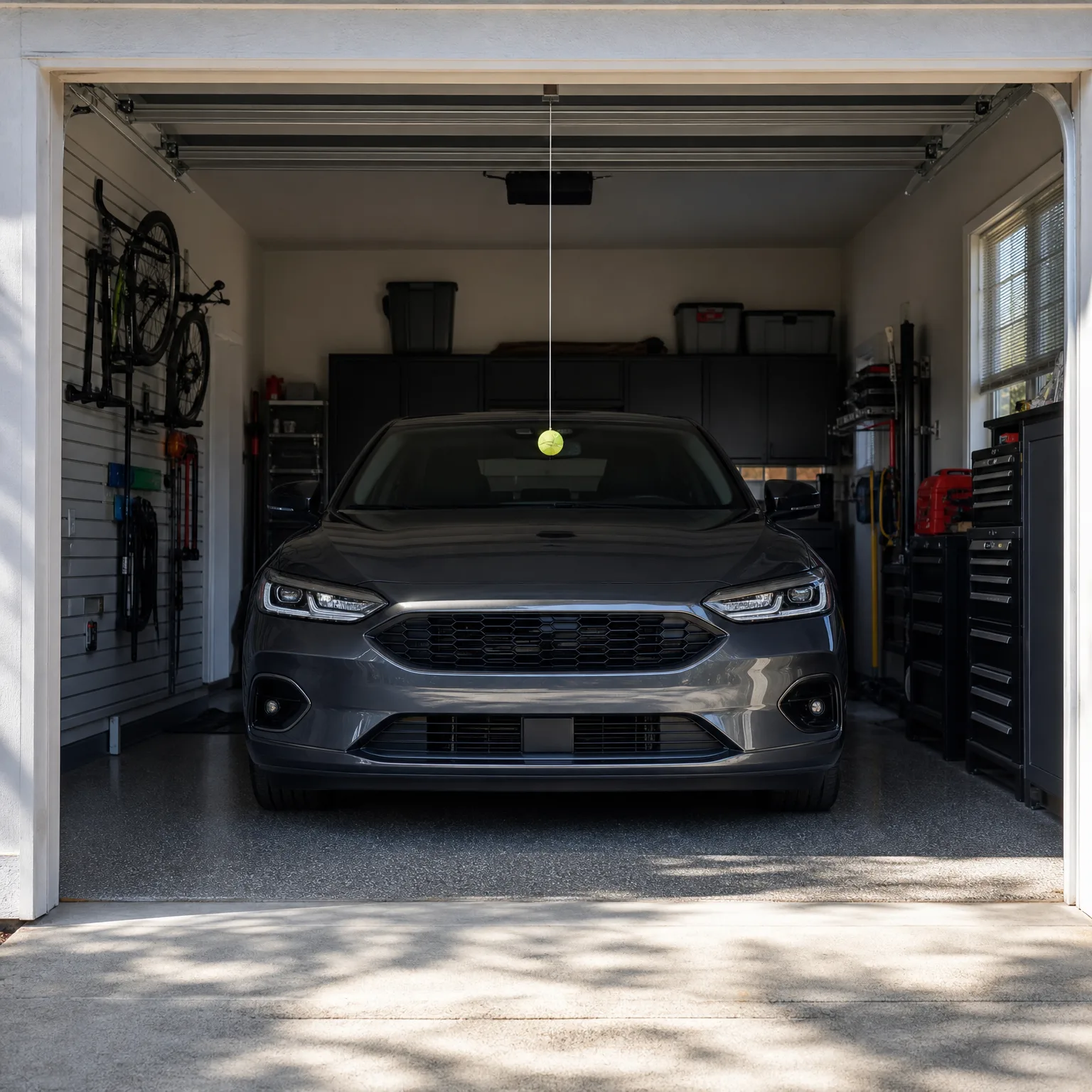
Some Maryland insurers just ask you to estimate your annual mileage when you set up or renew your policy. Others want proof, usually an odometer photo or reading at specific intervals.
A third kind offers telematics, a device or app that tracks your actual driving. These tend to give the most precise discount because the insurer sees your real mileage instead of an estimate, but they also see how and when you drive, which some people aren't comfortable with.
If proving low mileage matters to you, ask each insurer you're comparing how they confirm it and how often. An insurer that only checks once a year works differently than one with a tracking app, and the discount can differ even for the same number of miles driven.
If you've recently retired or stopped a long commute, your mileage may have dropped enough to matter. Tell your insurer the new number rather than waiting for a renewal form to ask.
What else insurers weigh against your mileage
Low mileage doesn't erase everything else insurers look at. Your driving record still matters, and so does your age, since some insurers in Maryland apply both age-related adjustments and mileage discounts, while others fold them into one assessment.
The car itself plays a role too. An older, fully paid-off car with low mileage might not be worth comprehensive coverage at all, while a newer car still benefits from the discount but keeps its other costs.
A common mistake is assuming low mileage alone guarantees a lower premium. If your record has a recent claim or a moving violation, that can offset what the mileage discount would have saved. It's worth asking your insurer directly how the two factors interact on your specific policy.
Questions people ask about this
What counts as low mileage for insurance purposes in Maryland?
There's no single number that applies across all insurers, since each company sets its own threshold for what qualifies as low mileage. Ask your insurer directly what their cutoff is and whether it changes by vehicle type.
Do I need a tracking device to get a low mileage discount?
Not always. Some Maryland insurers offer a flat discount based on your stated or verified annual mileage without any device. Others only offer their best low mileage rates through a telematics program, so ask if a no-device option exists if you'd rather not use one.
Will my rate go up if my mileage increases later?
It can, if your insurer bases your premium on mileage and you report or they detect a higher number than before. Let your insurer know if your driving habits change significantly in either direction, since that keeps your policy accurate.
Can I combine a low mileage discount with a senior driver discount?
In many cases yes, since these are usually treated as separate discounts that can stack, but this depends entirely on the insurer's rules. Ask specifically whether the two apply together or whether one replaces the other.
How do I prove my mileage to a Maryland insurer?
Most insurers accept an odometer reading, a photo of your dashboard, or service records showing mileage at different dates. Ask your insurer which proof they require and how often they'll want an update.
See which Maryland insurers reward lower mileage before you commit to a renewal.
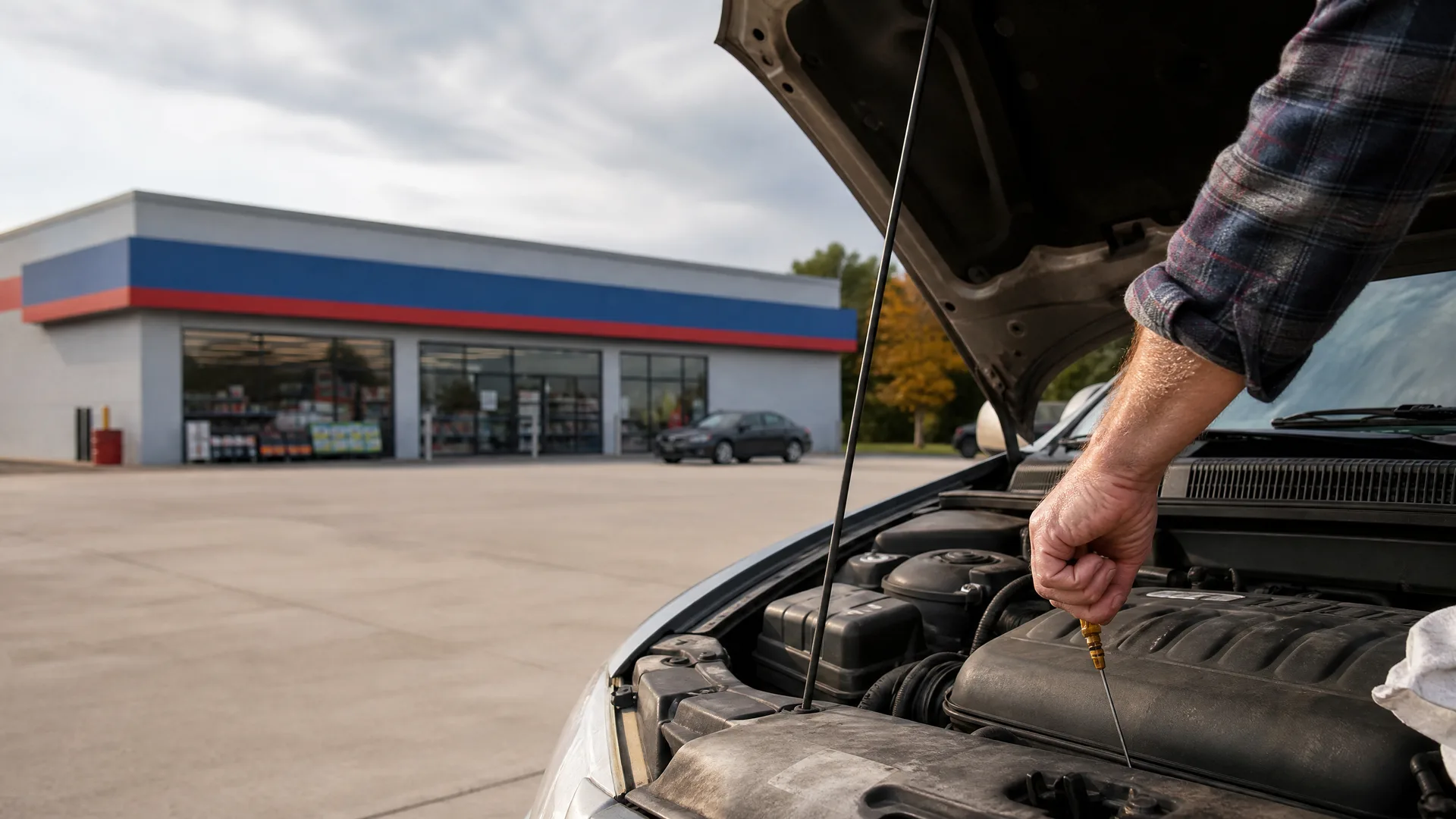
Check your current odometer reading and compare it to what you drove the year before. Call your insurer and ask directly whether they offer a low mileage discount and how they verify it. If your driving has dropped since retiring or since a move, mention that specifically, since it may not show up automatically on your file. Ask whether a telematics option would get you a better rate than the standard discount, and whether you can opt out if you don't like it. Do this before your renewal date, since some insurers only apply the adjustment going forward rather than retroactively. Gather a couple of comparison quotes while you're at it, since another insurer's verification method might work better for your situation.