Low Mileage Car Insurance for Seniors in New York
New York insurers offer lower rates for driving less, but you have to tell them, and prove it, before it shows up on your bill.
Yes, if you report your mileage and the insurer verifies it
Driving fewer miles each year lowers the risk an insurer is pricing for, and most companies in New York have some version of a low mileage discount. But it doesn't apply automatically. You have to tell your insurer how much you actually drive, and some companies want more than your word for it.
For a senior driver who has cut back on commuting or stopped driving to work altogether, this is often the easiest discount to qualify for, because the mileage drop is real and easy to show. What it depends on is your insurer's own threshold for what counts as low mileage, and that number isn't the same everywhere.
How your insurer verifies your mileage matters most
Some New York insurers take your odometer reading at renewal and compare it to the last one. Others ask you to estimate your annual mileage when you set up the policy and may ask for an odometer photo or a service record later to confirm it. A few use a telematics device or app that tracks your actual driving.
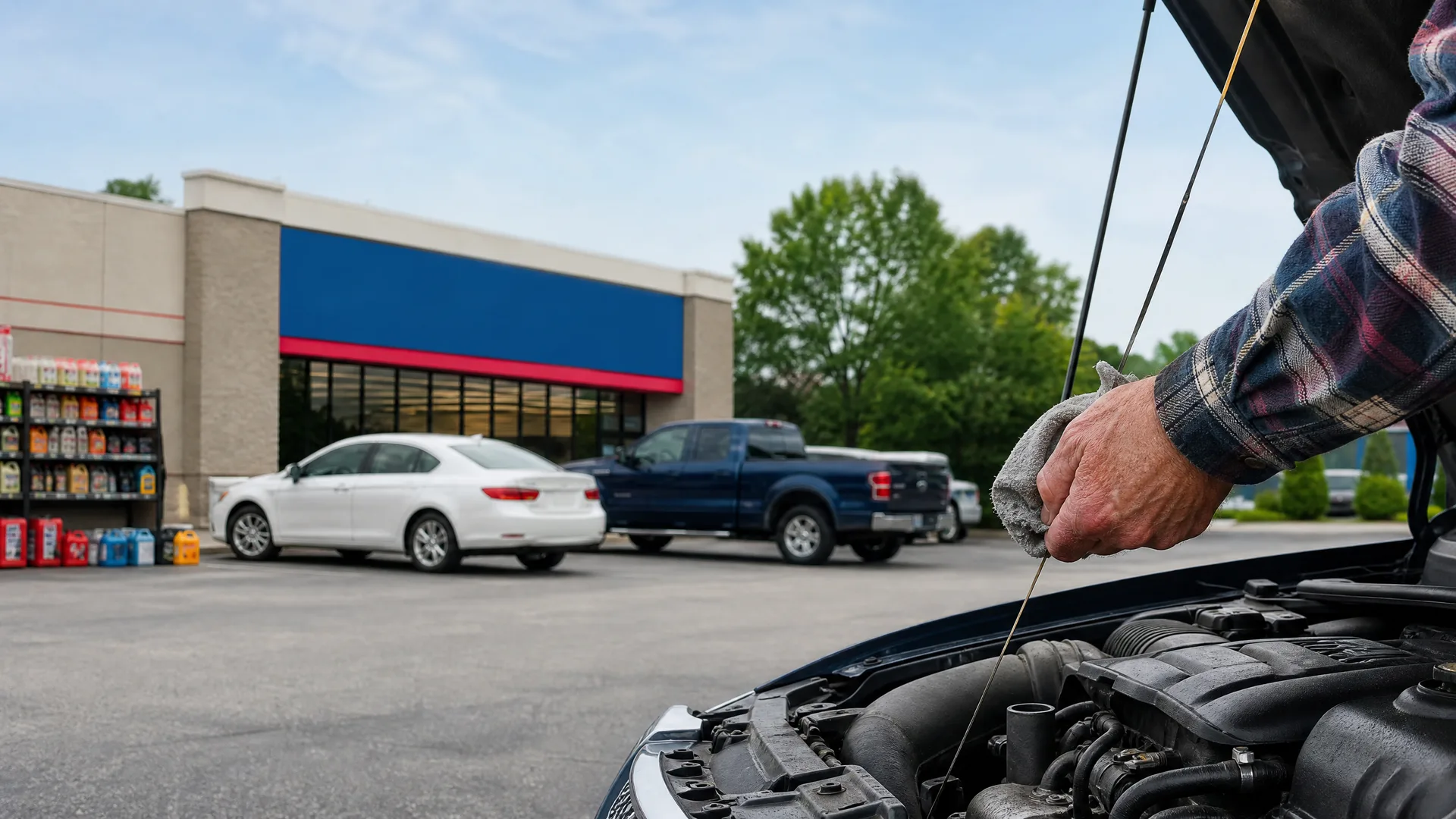
If your insurer relies on your estimate, give them a number you can back up. An odometer reading from a recent oil change or inspection is good evidence if they ever ask.
If your insurer uses a tracking device instead, ask how it affects your rate if you drive more than expected in a given month, and whether the device also looks at braking or time of day, since some of those programs price on more than mileage alone.
Either way, ask your agent directly what counts as low mileage for your specific policy. The threshold varies by company, and there's no single number that applies across New York.
What changes once you're retired or driving less for other reasons
A lot of senior drivers qualify for a low mileage discount without changing anything about how they drive. Retirement alone can cut annual mileage enough to cross an insurer's threshold, since the daily commute is usually the biggest chunk of most people's driving.
The mistake is assuming your insurer already knows this. Your premium is based on the mileage estimate you gave them when you last set up or renewed the policy. If that number is old, you're paying for driving you no longer do.
Call your insurer and update your estimated annual mileage, especially if it's been a year or more since you last reported it. This matters more than switching insurers in a lot of cases, because the discount is sitting there unclaimed on your current policy.
If you drive even less because of health reasons or because a family member now drives you more often, mention that too. Some insurers have a separate low mileage tier for drivers well under the standard threshold.
Questions people ask about this
Does New York require insurers to offer a low mileage discount?
No. New York doesn't mandate this discount, so whether it's offered and how it's structured is up to each insurer. Ask your agent whether your company has one and what the mileage cutoff is.
Will a low mileage discount lower my rate more than a senior driver discount?
It depends on the insurer, since each discount is calculated separately and they don't always stack the same way. Ask your agent to show you both discounts applied to your policy so you can see which one actually makes the bigger difference.
Do I need to report my mileage every year or just once?
Check your policy documents or ask your agent, because some insurers only ask at the start of the policy while others expect an updated estimate at every renewal. If you're not sure which applies to you, update them anyway so your estimate stays accurate.
Can I get a low mileage discount if I still drive to medical appointments regularly?
Possibly, since what matters is your total annual mileage, not the reason for each trip. Add up your typical driving for a few months and give your insurer a realistic yearly estimate rather than guessing low.
What happens if I report low mileage but then drive more than expected?
This depends on your insurer's policy, so ask directly what happens if your actual mileage comes in higher than your estimate at renewal. Some simply adjust your rate going forward, while others may ask about the difference more formally.
See how a low mileage discount compares across insurers before you decide to switch or stay.

Pull your current mileage estimate from your policy documents or ask your agent what number is on file. Check your odometer against your last service record or inspection to see your real annual mileage. Call your insurer to update the estimate if it's changed, and ask specifically what their low mileage threshold is and how they verify it. If you're comparing other insurers, ask each one the same question, since the cutoff and the discount amount aren't standard across companies.