Low Mileage Car Insurance for Seniors in North Dakota
Most insurers in North Dakota offer some kind of low mileage discount, but whether you qualify and how much it's worth depends on the company and how you report your miles.
Yes, if you can show your actual yearly mileage
A low mileage discount is available from many insurers that write policies in North Dakota, and retired or semi-retired drivers often qualify because they're no longer commuting. The insurer needs some way to confirm how much you actually drive, whether that's an odometer reading, your own estimate, or a tracking device you agree to install.
What the discount is worth and how strict the proof has to be varies by company. Some will take your word for it at renewal. Others want an odometer photo or a reading from your last oil change. Call your insurer or ask your agent what counts as proof before you assume you qualify.
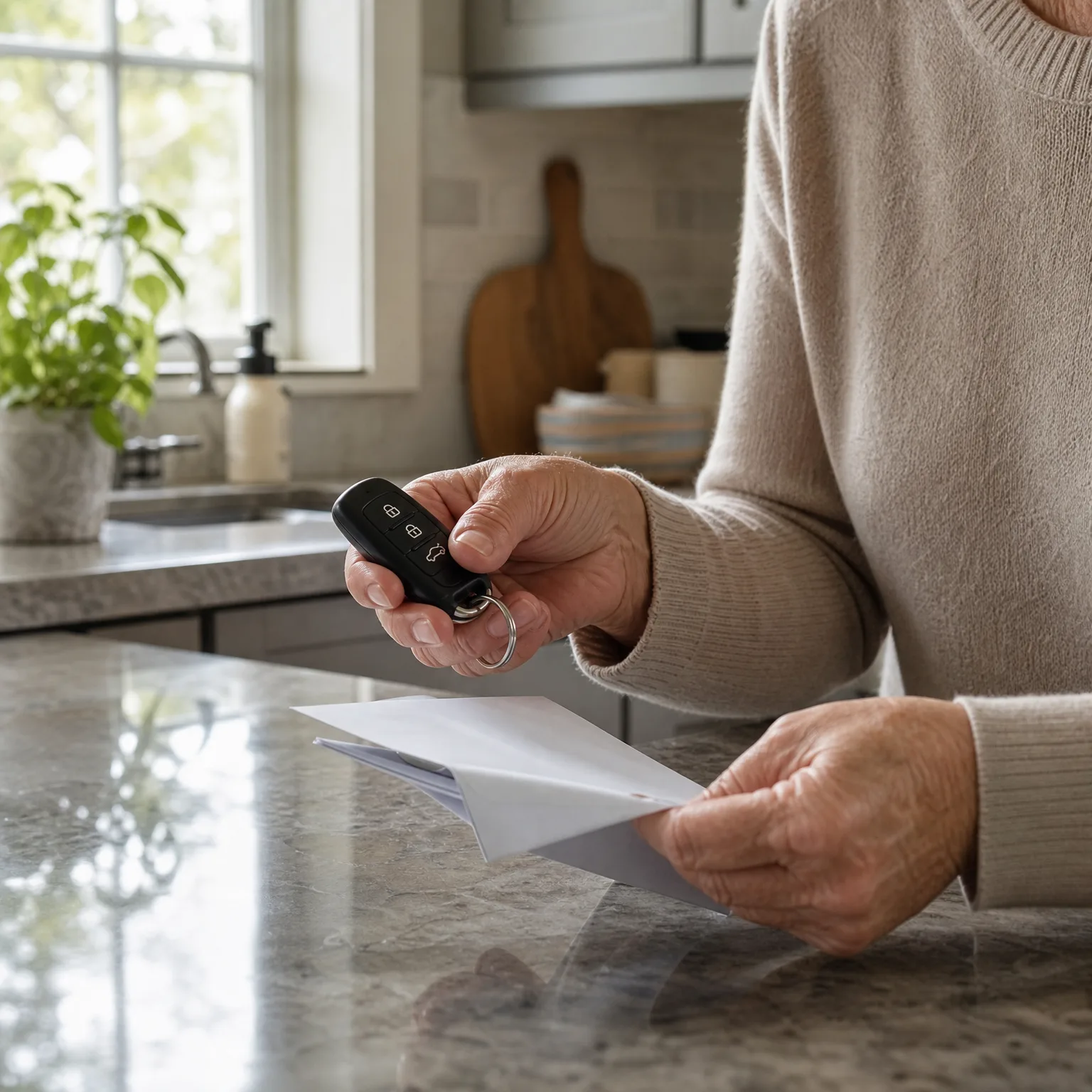
How you drive now versus how you drove before
If you've recently retired or cut back on driving, your old mileage estimate on file is probably too high. Insurers set your rate partly on expected annual mileage, and that number came from somewhere, usually what you reported when you first got the policy or at a past renewal.
If nobody's updated it since you stopped commuting, you may be paying for miles you no longer drive. This is worth fixing regardless of whether your insurer has a named low mileage discount, because the base rate itself is often tied to that mileage estimate.
To update it, you'll need a real number. Check your odometer now, then check it again in a few months or pull a reading from a service receipt. Most insurers will take a reasonable estimate, but a specific number from your own car carries more weight than a guess.
If you drive even less than average for a retired person, because you've moved somewhere walkable or a family member now drives you most places, say so. The insurer won't know unless you tell them.
What your insurer accepts as proof
Some companies in North Dakota will lower your rate based on your stated mileage alone, especially if you've been with them a long time and your claims history is clean. Others require documentation, like a photo of your odometer, a mechanic's printout, or enrollment in a usage tracking program that plugs into your car or uses an app.
If your insurer uses a tracking device or app, ask what it actually measures. Some track total miles. Others track when and how you drive, including sudden braking or late-night trips, which is a different kind of discount than a simple low mileage one.
If you're not comfortable with a tracking device, ask whether a one-time odometer reading or annual self-report is enough. Many insurers still offer that option even if they also push the technology-based version.
If your current insurer only offers the device-based version and you'd rather not use it, that's a reasonable reason to compare what other companies offer.
Questions people ask about this
does my car insurance go down automatically when I retire?
No, your insurer won't lower your rate on its own just because you've stopped commuting. You have to contact them and update your estimated annual mileage, usually by phone or through your online account. Nothing changes until you report it.
what counts as proof of low mileage for car insurance?
It depends on the insurer. Some accept your own estimate, others want an odometer photo, a service record showing mileage, or enrollment in a mileage tracking program. Ask your insurer directly what they require before assuming a photo or receipt will be enough.
can I get a discount if I only drive a few times a week?
Possibly, but the discount is usually based on total annual mileage, not how often you drive. Someone who drives short distances a few times a week could still log more miles a year than someone who makes one long trip monthly. Check your actual yearly total before asking about this discount.
will a mileage tracking device affect my rate if I drive carefully?
It depends on what the device measures. Some only count total miles, which would likely help a low mileage driver. Others also track driving behavior like braking or speed, which could raise or lower your rate independent of mileage. Ask your insurer exactly what the device reports before agreeing to use one.
does a low mileage discount replace a senior discount or can I have both?
This depends entirely on the insurer. Some offer both as separate discounts that stack, others may only apply one or the other. Ask your agent or insurer directly whether the two discounts are compatible on your specific policy.
See what other insurers in North Dakota would charge based on your actual driving.

Check your car's current odometer reading this week and write down the date. If you have an old service receipt or inspection record with a past mileage reading, find it too, since the difference between the two gives you a real annual mileage number instead of a guess. Call your current insurer and ask what they need to apply a low mileage discount and whether a device is required. If you're not satisfied with their answer or their proof requirements feel like too much, use that real mileage number to compare quotes from other companies. Bring the same number to each one so the comparison is fair.