Low Mileage Car Insurance for Seniors in Oregon
If you drive less than you used to, telling your insurer can lower what you pay, but you have to ask for it and prove it.
Yes, if you report your mileage and your insurer offers it
Oregon doesn't require insurers to offer a low mileage discount, but most do, and retirement is exactly when drivers qualify for it. Fewer commutes, fewer errands, a car that mostly sits in the garage. The insurer won't know that unless you tell them.
The discount depends on your actual annual mileage, not your age. Some insurers set a mileage cutoff for the discount, others use a sliding scale, and some only offer it if you enroll in a usage-based program that tracks your driving. Which one applies to you depends entirely on who you're insured with.

How your insurer confirms your mileage
Some insurers just ask you to estimate your annual mileage when you renew or make a change to your policy. Others want proof, usually an odometer photo or a reading from a recent oil change or inspection receipt.
If your insurer asks you to self-report, do it honestly but don't underestimate out of habit. Insurers sometimes check mileage against state inspection records or past service records, and a mismatch can cause problems later, including at claim time.
If you've genuinely cut your driving down, by retiring, by moving somewhere you walk more, by giving up a second car, that's worth reporting even if your insurer didn't ask. Rates are often set once a year, so a mileage drop you don't report can sit unused for a full term.
Some insurers offer a telematics or usage-based program instead of a flat low mileage discount. These track your actual driving through an app or a plug-in device. For a driver who's cut back significantly, this can end up cheaper than a standard discount, but it means your insurer sees more detail about when and how you drive, which not everyone wants.
How this interacts with other senior discounts
A low mileage discount usually stacks with other discounts, like a mature driver course completion or a multi-policy discount, but insurers differ on how much overlap they allow. Ask your agent directly whether taking one affects your eligibility for another.
If you've recently stopped working, moved into a smaller home, or given up a car in the household, all of those can lower your mileage enough to matter. It's worth mentioning each one when you call, rather than assuming your insurer will connect the dots.
One thing to watch for: if your policy still lists your old commute or your previous address, your insurer may be calculating your rate off outdated information. Updating that is separate from the mileage discount itself, but it often needs to happen first.
Questions people ask about this
What counts as low mileage for car insurance in Oregon?
There's no single number that applies across all insurers. Each company sets its own threshold for what qualifies as low mileage, so the only way to know where you stand is to ask your insurer what their cutoff is and compare it to your actual annual mileage.
Do I need to prove my mileage every year?
Some insurers ask you to confirm it at every renewal, others only check when you first apply for the discount. Ask your insurer how often they want an updated reading and keep a recent odometer photo or service receipt on hand in case they ask.
Will a low mileage discount affect my coverage if I drive more than expected?
If your actual driving ends up well above what you reported, your insurer may adjust your premium at renewal or ask about the discrepancy. It's worth updating your insurer proactively if your driving increases, rather than waiting for them to notice.
Can I get a low mileage discount if I still drive to medical appointments?
Regular trips for appointments still count as miles driven, but for most retired drivers the total is still well below a full-time commute. Report your actual expected annual mileage and let your insurer tell you whether it qualifies.
Does switching to a usage-based insurance program lower my rate more than a flat low mileage discount?
It depends on how consistently low your mileage is and how your insurer prices the program. For some drivers it saves more, for others a flat discount is simpler and just as cheap. Ask your insurer to show you both options side by side before choosing.
See how insurers in Oregon price this for drivers who've cut back on driving.
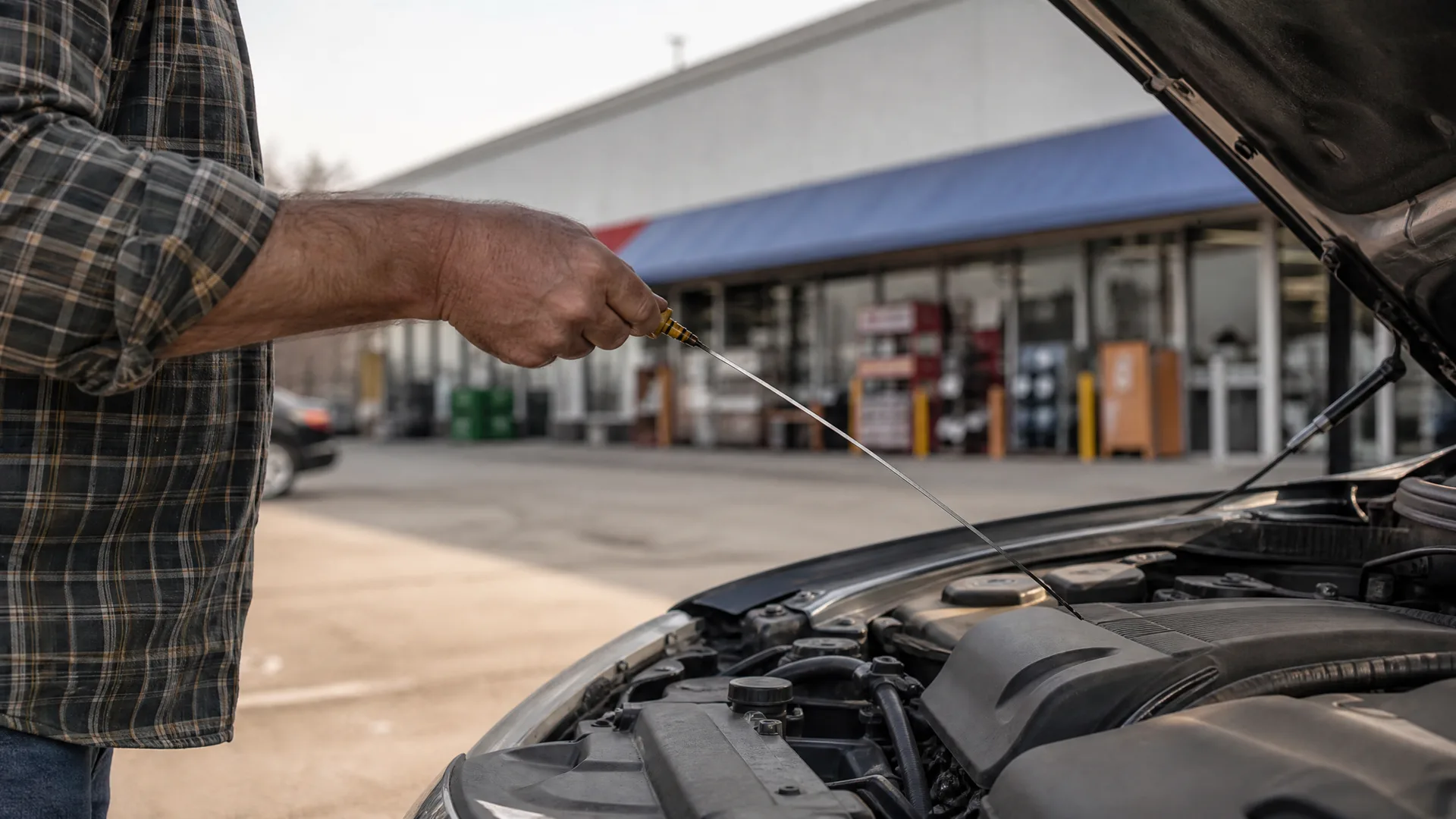
Pull your current mileage from your odometer or your last service receipt before you call anyone. Ask your current insurer directly whether they offer a low mileage discount, what their mileage threshold is, and what proof they need. If they don't offer one, or their number seems off for how little you're driving now, that's worth comparing against other insurers. Update your policy's listed address and commute information at the same time, since outdated details can affect your rate independently of mileage. If a usage-based program comes up, ask what data it collects and how it affects your premium before agreeing to it.