Low Mileage Car Insurance for Seniors in Pennsylvania
Insurers in Pennsylvania do offer lower rates for driving less, and seniors often qualify, but you usually have to ask for it and prove your mileage.
Low mileage discounts are real, but they're not automatic
If you drive fewer miles than the average driver, you can usually get a discount on your Pennsylvania car insurance. Insurers see fewer miles as fewer chances for an accident, and many retired drivers qualify without realizing it.
The catch is that most companies don't apply this automatically. You have to tell them your estimated annual mileage, and some will ask you to verify it with an odometer reading at renewal or install a tracking device that monitors how much you actually drive. What you get depends on your insurer and how they calculate the discount, so the only way to know your number is to ask.
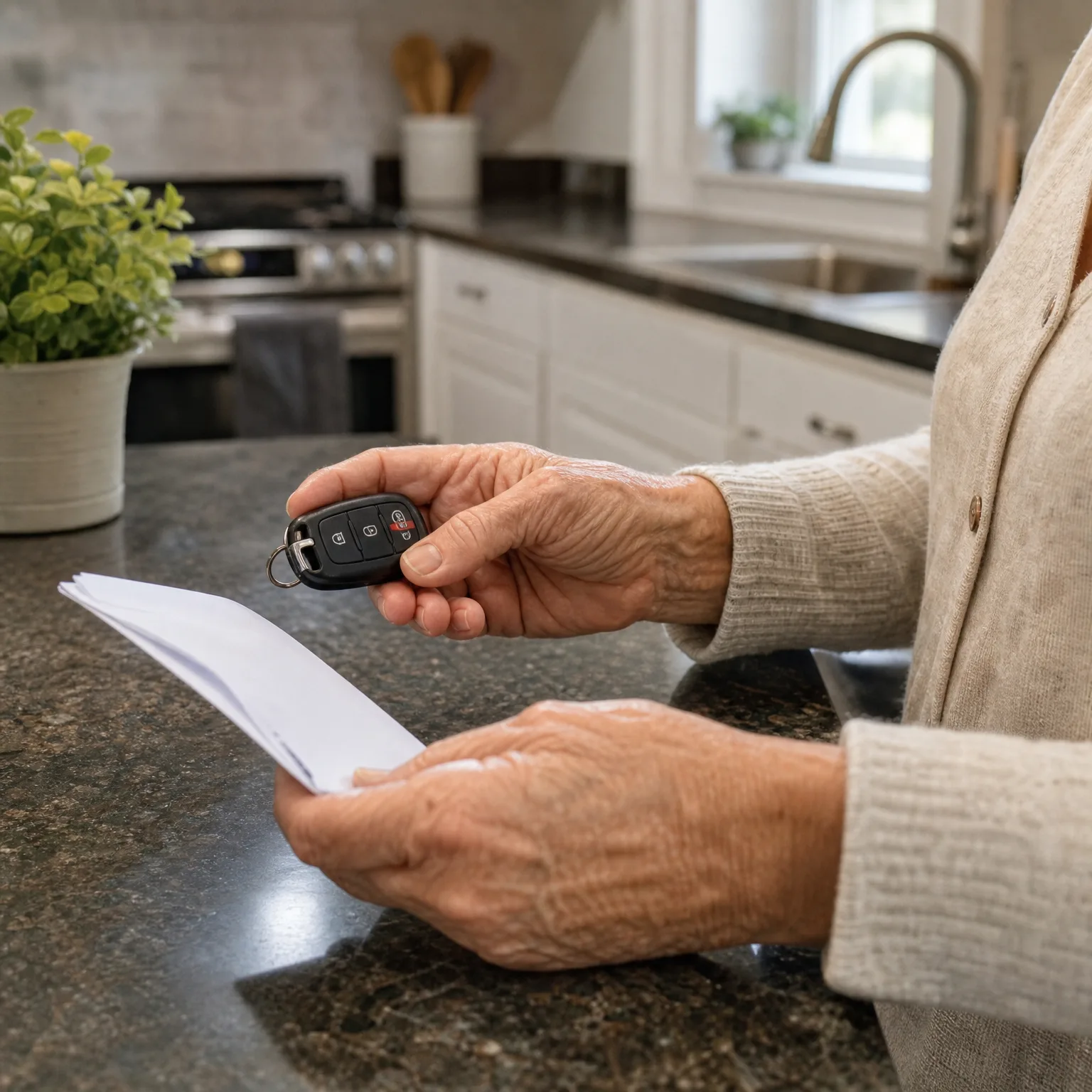
How you report your mileage changes what you pay
Pennsylvania insurers ask for an estimated annual mileage figure when you set up or renew a policy. If you guessed high years ago and never corrected it, you could be paying for miles you don't drive anymore.
Call your insurer or log into your account and update that number. Some companies will ask how you arrived at the estimate. A rough way to check is your last oil change receipt or inspection sticker, both of which usually list the odometer reading, compared against today's.
A few insurers offer usage-based programs that track your actual driving through an app or a plug-in device instead of relying on your estimate. These can work in your favor if you drive even less than you think, but they also mean the insurer sees exactly when and how you drive, which not everyone wants.
If you've cut back on driving because of retirement, a move, or giving up a commute, that's worth reporting even if nothing else about your policy has changed.

Your other senior discounts can stack with this one, or cancel it out
Many Pennsylvania insurers also offer a discount for completing an approved mature driver course, and some offer one simply for being retired or over a certain age. These are separate from the low mileage discount and often apply together.
But insurers cap how much any one policy can be discounted, so adding a mileage discount on top of a mature driver discount and a long-time-customer discount doesn't always add up the way you'd expect. Ask your agent directly what your total discount comes to, not just which discounts you qualify for.
It's also worth checking whether switching to a low mileage or usage-based plan affects anything else, like your accident forgiveness or your multi-policy discount if you bundle home and auto. Ask before you switch, not after.
Questions people ask about this
What counts as low mileage for car insurance?
There's no single number that applies everywhere. Each insurer sets its own mileage bands for what counts as low, so the same annual mileage might qualify for a discount with one company and not another. Ask your insurer directly what their cutoff is.
Do I need to prove my mileage to my insurer?
Often, yes. Some insurers simply take your estimate at face value, while others ask for an odometer reading at renewal or use a plug-in device to track it. Ask how your specific insurer verifies mileage before you report a number.
Will my rate go up if I drive more than I estimated?
It can, if your insurer finds out through a renewal check or a claim investigation that you drove significantly more than you reported. Keep your estimate realistic and update it if your driving habits change.
Can I get a low mileage discount if I still drive to work part time?
Possibly. What matters is your total estimated annual mileage, not whether you still commute. A part-time schedule might still put you well under the average, so it's worth asking your insurer to run the numbers.
Does giving up my car entirely lower my insurance more than a mileage discount?
Dropping coverage entirely isn't the same as a low mileage discount and comes with its own tradeoffs, like losing continuous coverage history. If you're considering giving up driving, ask your insurer what happens to your rate if you ever need to reinstate a policy.
See what a lower mileage estimate could mean for your rate before you renew.
Find your last inspection or oil change receipt and check the odometer reading against today's to get a real sense of your annual mileage. Call your current insurer and ask directly whether they offer a low mileage discount and what their qualifying threshold is. Ask separately about mature driver course discounts, since you may be able to combine them. When you compare quotes from other companies, give them the same mileage figure so the comparison is fair. If a quote relies on a tracking device or app, ask exactly what it records before you agree to it.