Low Mileage Car Insurance for Seniors in South Dakota
Driving fewer miles can lower your rate, but only if your insurer knows about it and you ask for the discount.
Yes, low mileage usually lowers your rate, if you report it
Insurers price a policy partly on how much you're expected to drive, because fewer miles means fewer chances for a claim. If you've retired, cut back on commuting, or started driving less for any reason, that's worth reporting to your insurer.
The catch is that most insurers don't lower your rate automatically. Your premium was set when you bought the policy, often based on an estimate you gave years ago. If your driving has dropped since then, you have to tell them and sometimes show it, or the discount never shows up on your bill.
How your insurer tracks your mileage matters
Some insurers ask for a yearly estimate and take your word for it. Others want you to report your odometer reading at renewal, or install a device or app that tracks actual miles driven. Which method your insurer uses changes how much proof you need and how often.
If your insurer relies on self-reported estimates, call them when your driving habits change rather than waiting for the renewal notice. An estimate that's too high is working against you every month it sits on the policy.
If your insurer uses a tracking program, ask what counts as low mileage in their system and what the enrollment involves. These programs vary by company, and some weigh how you drive as much as how far.
Either way, ask directly what your insurer needs from you to apply a low mileage discount. The answer differs by company, and the only way to know yours is to ask.
What counts as low mileage depends on the insurer, not a fixed number
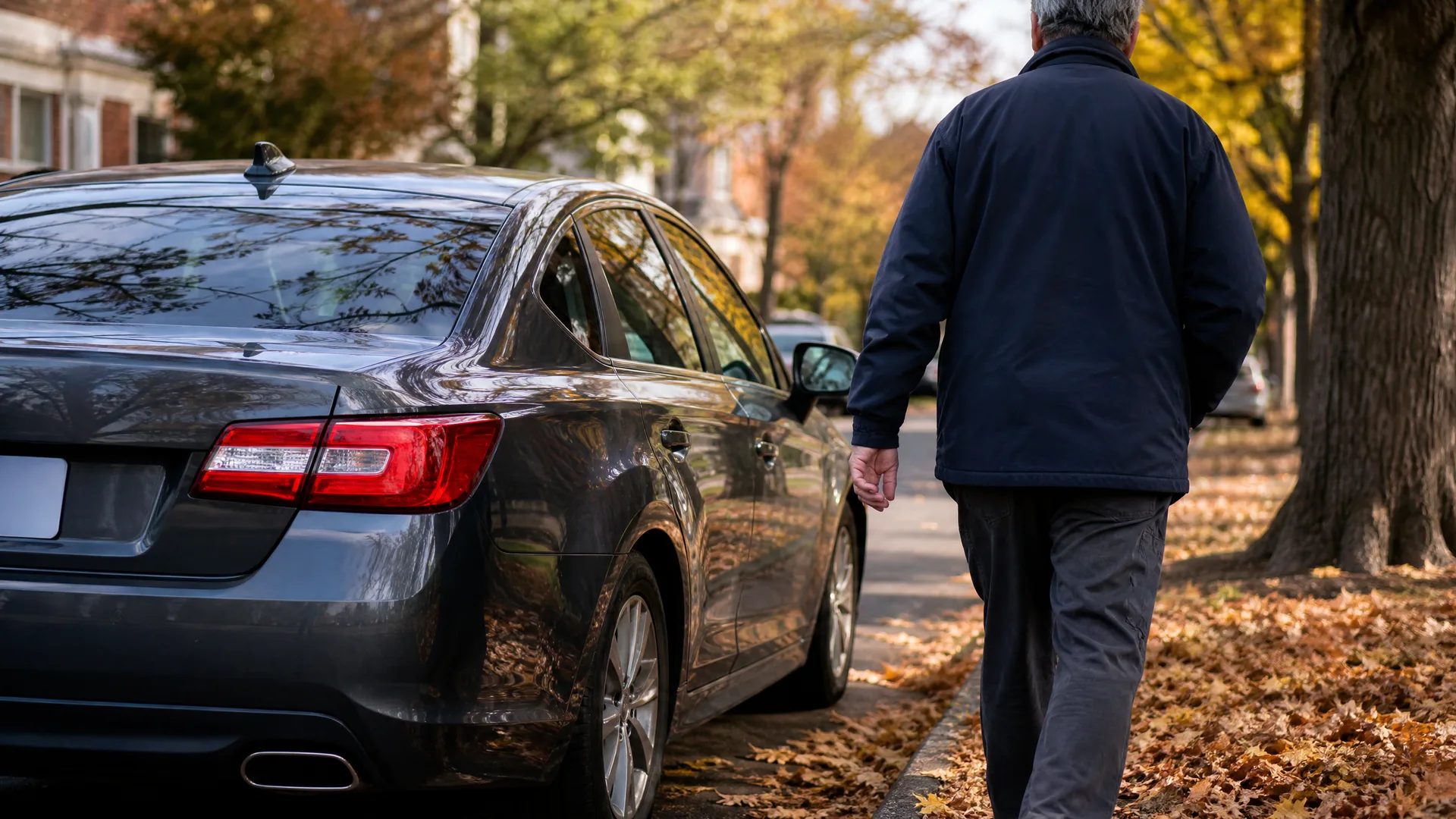
There's no single mileage figure that qualifies a driver for this discount across all insurers. Each company sets its own threshold, and some have more than one tier depending on how far below average you drive.
This means two insurers can look at the same driver and offer different discounts, or none at all. It's worth asking more than one company what their low mileage cutoff is and how the discount is structured.
A common mistake is estimating mileage the way you used to drive rather than how you drive now. If you no longer commute, or you've cut back on errands and trips, recalculate before you report a number. An old habit baked into your estimate can cost you the discount without you knowing it's there to claim.
Questions people ask about this
Does retiring from work automatically lower my car insurance?
No, retiring doesn't change your rate by itself. Your insurer only adjusts your premium when you report that your mileage or driving pattern has changed, so you need to contact them after you retire rather than assume it happens on its own.
Will my insurer find out if I'm still driving more than I reported?
Some insurers check mileage through tracking programs, odometer readings at service visits, or state inspection records, depending on what your policy requires. If your actual mileage comes in higher than what you reported, ask your insurer how that's handled, since the answer depends on their policy terms.
Can I get a low mileage discount and a senior driver discount at the same time?
In many cases yes, since these are usually separate discounts based on different things. Ask your insurer whether the two combine or whether one replaces the other, since that detail depends on how the company structures its discounts.
Do I need to keep a mileage log for my insurance company?
It depends on how your insurer verifies mileage. Some accept your estimate without documentation, while others ask for odometer photos, service records, or a tracking app, so ask your insurer directly what they'll accept as proof.
What happens if I estimate my mileage wrong when I apply for the discount?
If your estimate turns out to be too low, your insurer may adjust your premium or ask questions at renewal or after a claim. Ask your insurer how they handle a mismatch between estimated and actual mileage before you commit to a number.
See what other insurers would charge for your mileage before you settle for what you're paying now.
Pull up your last renewal notice and check what mileage estimate your policy is based on. Call your insurer and ask two things: how they verify mileage, and what their low mileage discount requires. If your current insurer's threshold doesn't fit how little you drive now, use that figure when you compare quotes from other companies this week. Keep any odometer reading or service record handy in case an insurer wants proof rather than just an estimate.