Occasional Driver Car Insurance for Seniors in Louisiana
An occasional driver discount exists in Louisiana, but your insurer has to know you qualify before they'll apply it.
Yes, if you tell your insurer how little you drive
Louisiana insurers can lower your premium if you drive significantly less than an average driver, and many seniors qualify without realizing it. The discount isn't automatic. You have to report your mileage, sometimes by estimate and sometimes through a tracking device or app the insurer provides.
What you get depends on the insurer. Some only ask you to estimate your annual mileage once a year. Others want ongoing proof through a telematics device plugged into your car. Call your agent and ask directly whether they have a low mileage or occasional driver discount, because it won't show up on your bill unless you request it.
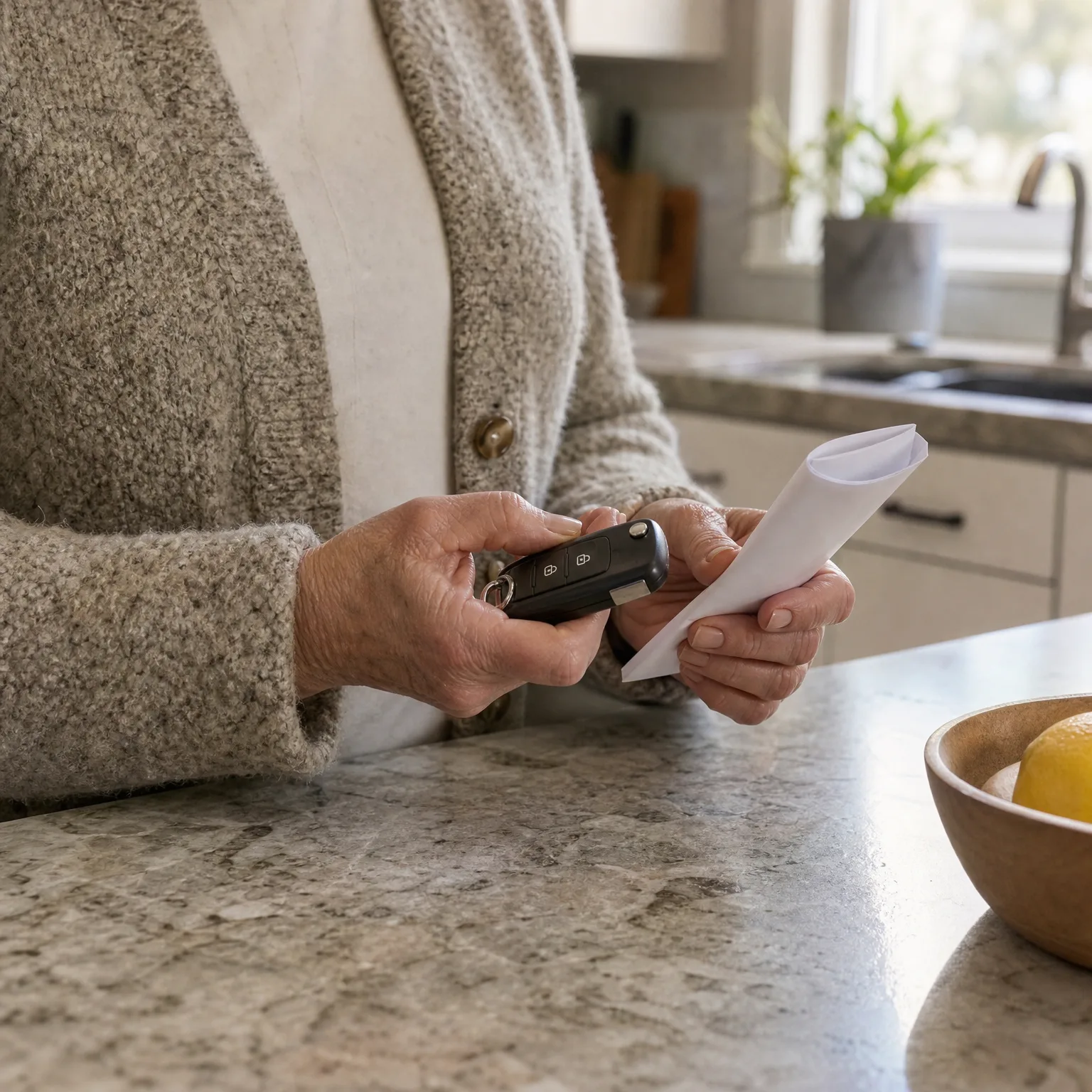
How your insurer defines low mileage matters most
Every insurer sets its own threshold for what counts as an occasional driver, and Louisiana doesn't regulate this number. One company might consider you low mileage if you stay under a certain figure each year. Another might set the bar lower or require you to log trips for a few months before approving anything.
This means the same driving habits can qualify you with one insurer and not another. If your current insurer turns you down or offers a small discount, it's worth asking a different insurer what their own cutoff is. You won't know unless you ask, since this isn't something agents volunteer upfront.
Keep a simple record of your driving for a few weeks if you're not sure. Odometer readings from an oil change or inspection sticker work well as proof. Insurers that ask for documentation usually accept these over a verbal estimate.
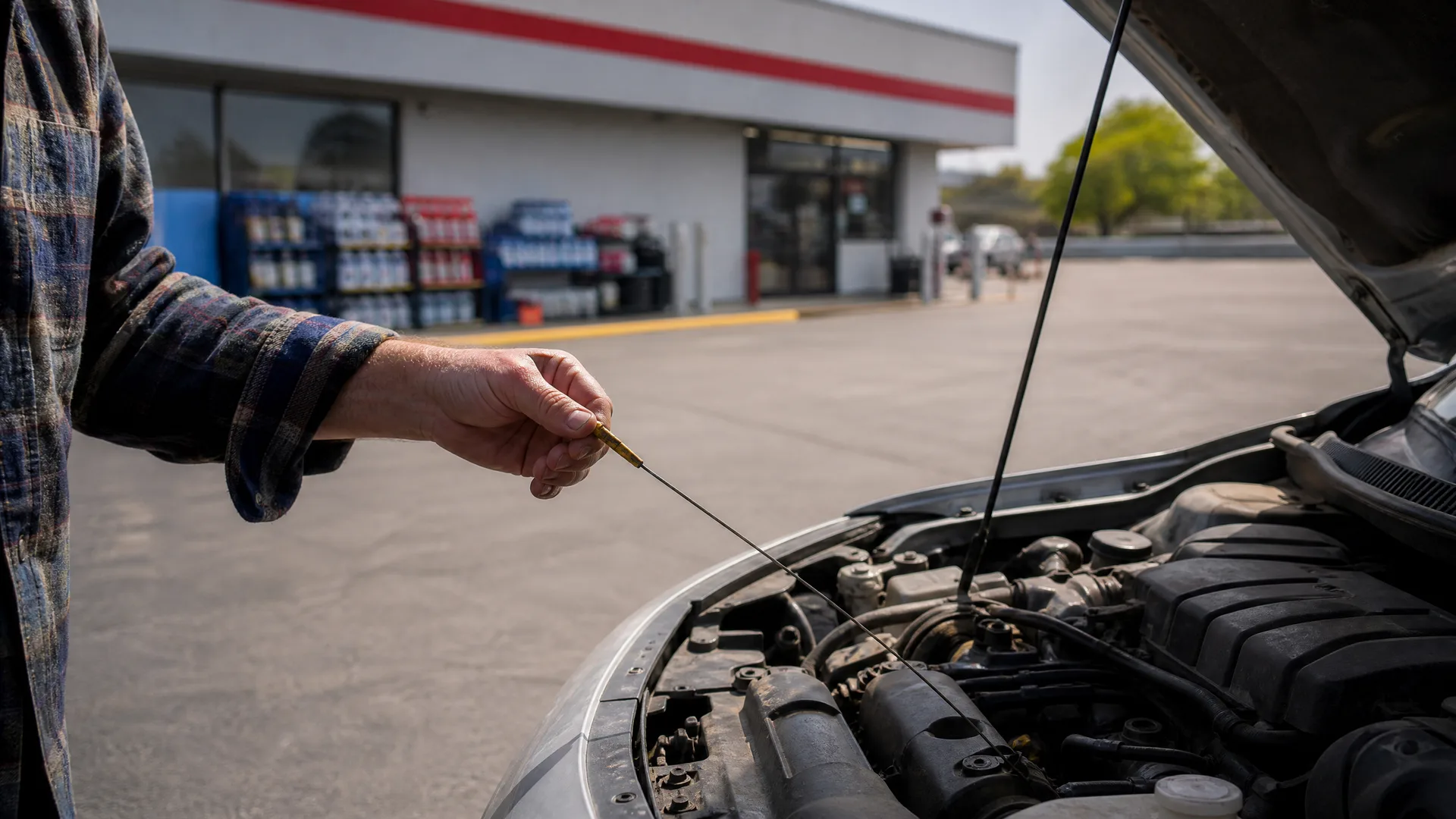
How you prove it affects what you save
Some insurers will take your word for your mileage and adjust your rate based on that estimate. Others require a device that tracks your actual driving, which can confirm you drive less but also tracks things like hard braking or late-night trips. If you're not comfortable with that kind of monitoring, ask whether an estimate-based option exists instead.
A common mistake is assuming a course certificate or a one-time mileage estimate locks in the discount permanently. Many insurers review this annually, and if your driving increases, even temporarily because you're helping with errands for a family member, the discount can disappear at renewal.
If your driving is seasonal, say you don't drive much in winter, tell your insurer that specifically. Some will average mileage over the year rather than penalizing you for the months you drive more.
Questions people ask about this
Does Louisiana require a vision test to renew a license as a senior driver?
This is set by the Louisiana Office of Motor Vehicles, not by insurers. Requirements can change depending on your age and your last renewal, so check directly with the OMV before your renewal date rather than assuming last time's rules still apply.
Will my rate go up automatically once I reach a certain age?
Not automatically, but insurers do factor age into their pricing models and some may reassess your rate at renewal. The increase, if any, depends on the insurer's own underwriting rules and your driving record, not a fixed schedule tied to your birthday.
Can I get a discount for taking a defensive driving course in Louisiana?
Many insurers offer this, but you have to send them the completion certificate yourself. Finishing the course doesn't change your rate until your insurer has that document on file, so ask your agent where to send it before you assume the discount is applied.
What happens to my insurance if I stop driving but keep my car registered?
This depends entirely on your insurer and the type of coverage you keep. Some offer reduced rates for a car that's insured but rarely driven, while others require you to maintain full coverage regardless of use. Ask your insurer specifically about a non-operational or reduced-use policy if the car mostly sits.
Should I remove myself from my adult child's insurance policy if I rarely drive their car?
This depends on how often you actually drive it and what your state and insurer consider an occasional driver versus a listed driver. Ask the insurer directly, since misclassifying a regular driver as occasional can cause problems with a claim later.
See what other insurers would charge someone with your driving habits before you renew.
Call your current insurer this week and ask specifically about an occasional driver or low mileage discount, since it often isn't mentioned unless you bring it up. Have a recent odometer reading ready, from an inspection sticker or oil change receipt, in case they ask for proof. If they don't offer one or the savings seem small, get quotes from a few other insurers and ask each the same question, since the mileage threshold for qualifying varies by company. Also ask whether the discount requires a tracking device or just an annual estimate, so you know what you're agreeing to. If your driving pattern changes during the year, let your insurer know rather than waiting for renewal to find out it affected your rate.