Occasional Driver Car Insurance for Seniors in Washington
Seniors in Washington can often get a lower rate for driving less, but you have to ask your insurer and usually prove it.
Yes, if your insurer offers it and your mileage qualifies
Washington doesn't require insurers to offer an occasional driver discount, but many do, and it's worth asking about specifically. It's usually built around how many miles you drive in a year, not your age directly, though retirement often means fewer miles, which is why seniors end up qualifying more often.
The catch is that insurers define occasional driving differently. One company's cutoff might be low enough that your regular errands disqualify you, while another's is generous enough to include most retired drivers. You won't know where you stand until you ask your own insurer what their threshold is and how they want you to prove your mileage.

How your insurer verifies mileage decides what you get
Some insurers take your word for it when you estimate annual mileage at renewal. Others want you to log your odometer reading, submit it periodically, or install a tracking device that reports your actual miles. The verification method matters because it determines how much the discount is worth and how much ongoing effort it takes to keep it.
If your insurer relies on self-reported estimates, make sure the number you give them is accurate and current. An old estimate from when you were commuting won't reflect how little you drive now, and you could be paying for mileage you no longer put on the car.
If your insurer wants odometer checks or a tracking device, ask how often you need to report and what happens if your mileage creeps up one year. Some policies adjust your rate automatically at renewal, others ask you to notify them if your driving habits change mid-term.
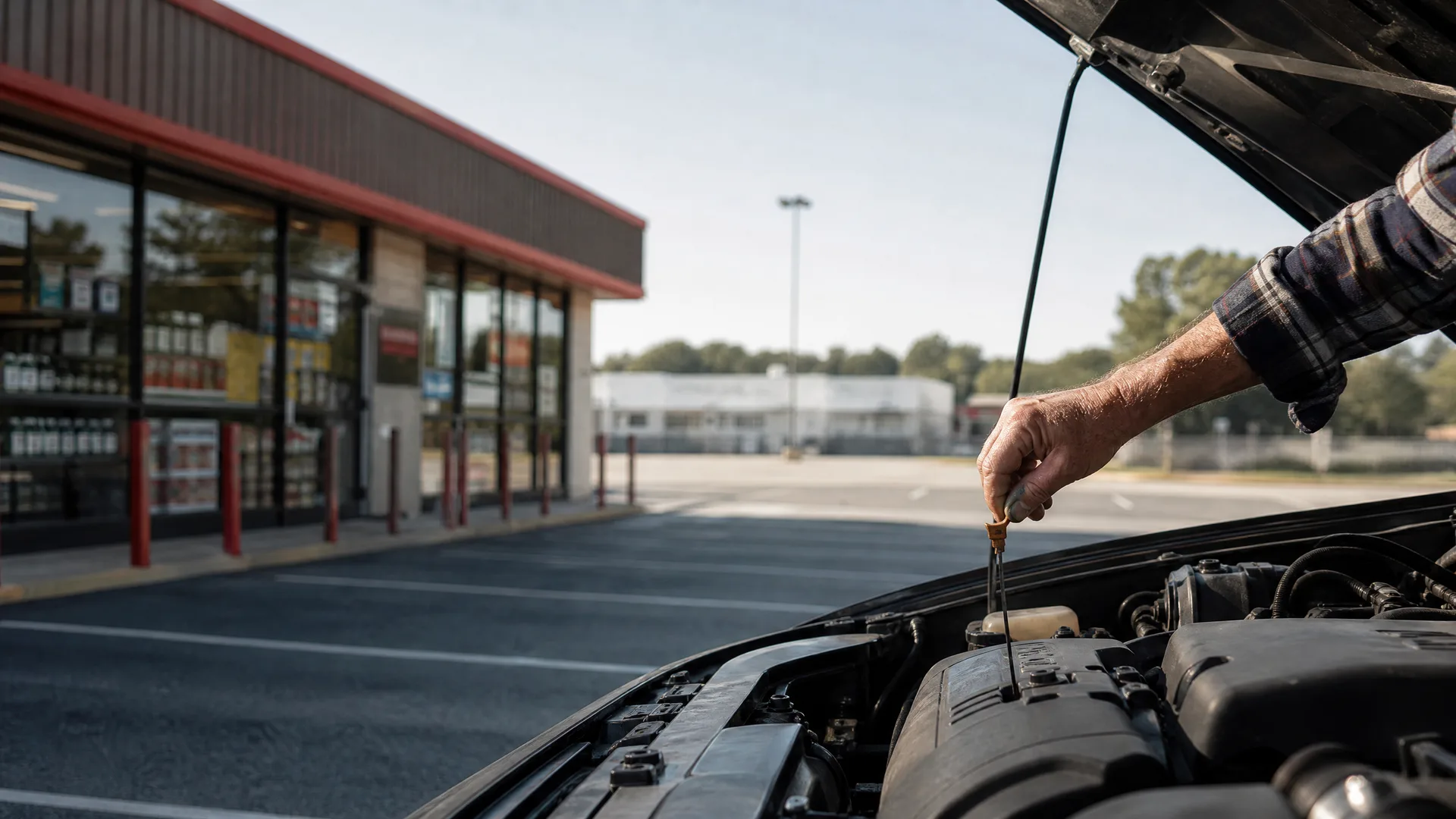
What counts as occasional driving varies by company
There's no single definition in Washington of what makes someone an occasional driver. Each insurer sets its own annual mileage threshold, and some also look at whether you use the car for commuting at all versus only for errands and appointments.
This is the part people get wrong most often. They assume driving less automatically means a lower rate, then find out their insurer's cutoff is far below what they expected, or that the discount only applies if you're listed as a secondary driver on someone else's policy rather than the primary driver on your own.
Before assuming you qualify, ask your insurer what their specific mileage threshold is and whether it applies to you as a primary or secondary driver. If your current insurer's threshold doesn't fit your situation, it's worth checking whether another insurer's definition would.
Questions people ask about this
Does giving up my car to a family member change my insurance rate?
It can, because if you're removed as the primary driver and listed as an occasional or secondary driver instead, your insurer may reassess the rate based on who's actually driving the car most. Ask your insurer how they want the change reported and whether it affects the policy's ownership terms, not just the rate.
Will my rate go up if I drive more than I estimated?
It depends on your insurer's policy for mileage verification. Some adjust your rate at the next renewal if your reported mileage was off, others may ask for correction mid-term if the gap is large. Check with your insurer what their process is before you guess at your annual mileage.
Can I get an occasional driver discount if I still commute sometimes?
It depends on how your insurer defines occasional driving. Some insurers disqualify any regular commuting, even once or twice a week, while others only care about total annual mileage regardless of purpose. Ask your insurer directly whether occasional commuting affects eligibility.
Does a senior driving course stack with an occasional driver discount?
In many cases yes, because they're usually treated as separate discounts tied to different things, one to mileage and one to course completion. Ask your insurer whether both apply to your policy and what you need to submit for each one.
Should I keep my car registered if I barely drive it anymore?
That depends on Washington's rules for registration and insurance, which are separate from any mileage discount. Check with the Washington Department of Licensing about what's required to keep a vehicle registered and insured even if it's rarely driven.
If you want to know whether driving less actually lowers your rate, it helps to see what different insurers offer side by side.
Pull your last renewal notice and find your current annual mileage estimate. Call your insurer and ask directly whether they offer an occasional driver discount, what their mileage threshold is, and how they want you to verify your mileage going forward. If your insurer's answer doesn't work in your favor, ask what a more accurate mileage estimate would do to your rate before you renew. It also helps to compare what other insurers in Washington offer for lower-mileage drivers, since thresholds and discounts vary enough that switching could be worth it. Keep any mileage logs or odometer photos you take this week, since you may need them later.